
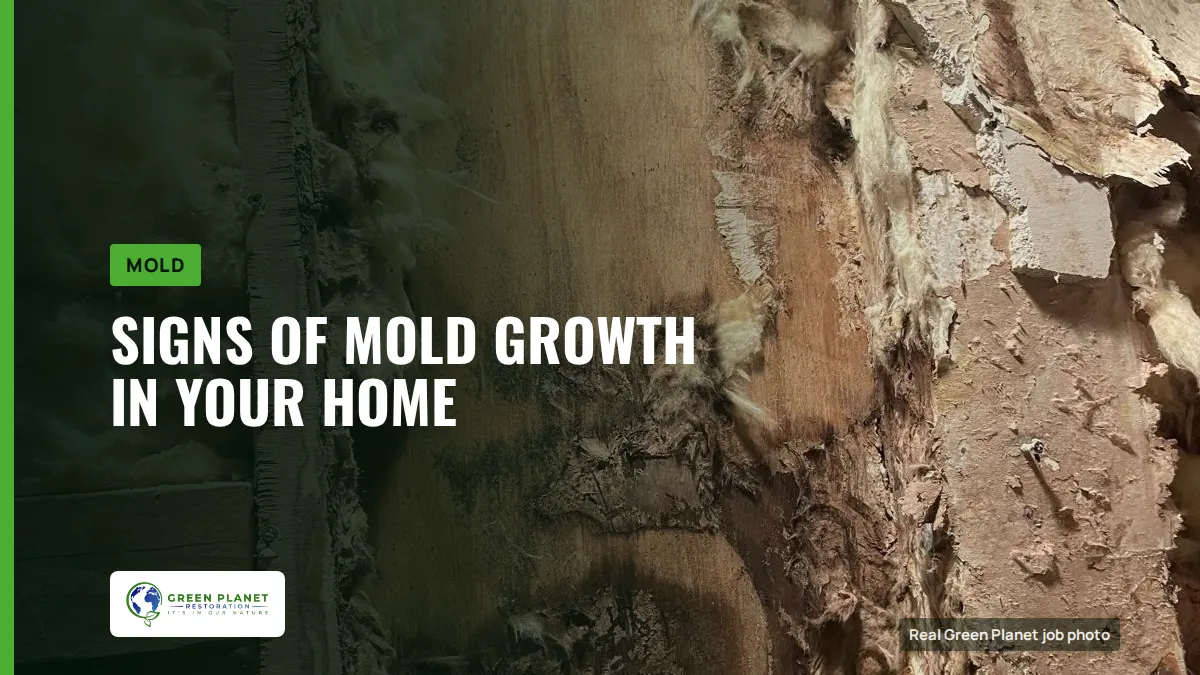
Signs of Mold Growth
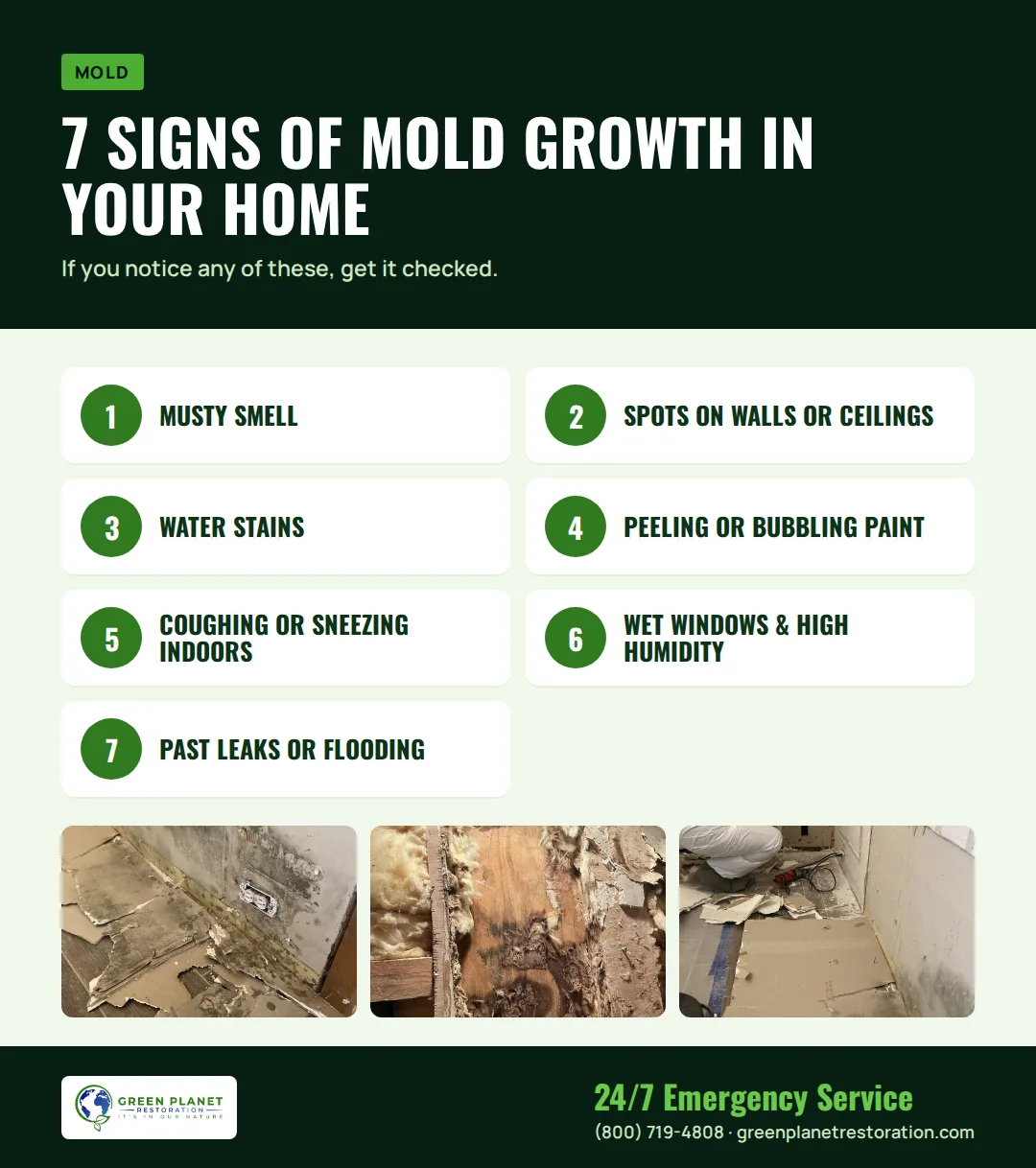
Your house will suffer damage because of mold, together with health problems that can make you sick. Here is a complete list of signs of mold growth in your home:1. A Strong Musty Smell
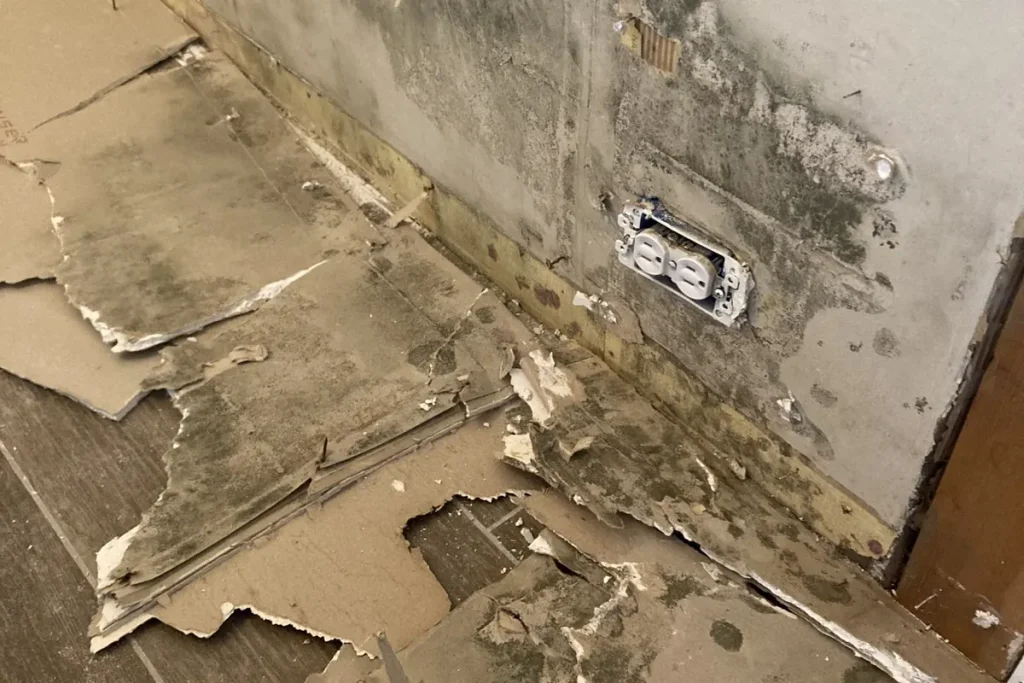
The presence of mold typically creates a robust musty odor, which acts as its initial detection sign. This particular smell becomes difficult to disregard. The odor resembles the smell of moisture combined with decay. The scent becomes more apparent inside confined areas, including storage spaces and underground rooms, and beneath cabinets. The distinctive musty odor of mold can indicate its presence in areas that are not visible, although the mold hides behind walls and beneath floorboards. The awareness of unusual smells in a room demands immediate attention without dismissing them. When you detect an unpleasant odor, it serves as an unmistakable red flag.2. Spots or Patches on Walls and Ceilings
3. Water Stains or Discoloration
Stains of yellow and brown and dark colors on walls or ceilings indicate that previous water leaks occurred. Current dryness on your walls does not indicate that there was no past water penetration that produced mold development behind the wall surfaces. Water damage marks usually appear because of roof leaks, together with plumbing issues and established water-related damage. Don’t ignore these signs. Old stains on walls serve as potential evidence for current mold growth because expanding spots may indicate continuing mold presence. Also read: The Difference Between Professional Mold Testing, Mold Inspection, and DIY Mold Test Kits4. Peeling Paint or Bubbling Wallpaper
Mold growth can be detected through the process of paint or wallpaper materials peeling or bubbling or cracking. Matter forms behind walls because of water presence. Stagnant water causes alterations to surfaces. Mold growth areas typically occur in bathrooms and near windows, in addition to leak-afflicted areas. Your wall needs attention if it displays signs of detachment, bubbling, or peeling because mold growth may exist within the walls.5. Coughing, Sneezing, or Breathing Problems
6. Wet Windows and High Humidity
Excessive moisture inside your house results in water drops forming on your windows, thus indicating high humidity levels. High humidity in a home leads to the formation of water drops on windows. The presence of mold becomes effortless when air maintains high levels of moisture. Bathrooms with no fans and basements with inadequate ventilation make up common problem areas because they lack proper airflow. Homeowners with high moisture levels should either increase their ventilation flows or invest in a dehumidifying system to manage moisture levels.7. Leaks or Flooding in the Past
Mold development is currently taking place within your residence if it has experienced leak or flood conditions. Mold begins its growth process within one to two days after water damage takes place. The water cleaning process failed to remove all residual water substances. Mold rests hidden between floors and behind walls and inside ceiling areas. Check for additional mold indicators after your residence has experienced water-related difficulties within the recent period. The greater risk comes from taking unnecessary chances.Don’t Wait, Act Fast
Property damage right now?
We find the damage, dry or clean the structure and repair it. On site in about 45 minutes, 24/7.

Written by the Green Planet Restoration team
Our articles are written and reviewed by the crews who handle water, fire and mold damage every day across Southern California, Seattle, Miami-Dade and Las Vegas. About us