
Where Biohazards Hide
At home, the usual suspects are mold from poor ventilation, pet waste, sewage overflow, and neglected surfaces. None of these sounds particularly dramatic, but left unchecked, they create real health risks for children, elderly family members, or anyone with a compromised immune system. Mold spores travel through the air. Bacteria from pet waste can transfer to floors, hands, and food preparation areas. These aren’t worst-case scenarios. They’re everyday realities in homes that skip routine maintenance. Workplaces are different. More people, more materials, and more waste moving through a single space means more opportunities for exposure. Healthcare facilities and labs carry obvious risks, but even standard office buildings deal with pest infestations, chemical spills, and improperly handled contaminated waste. The problem spreads quickly when no clear protocol is in place and when employees aren’t trained to recognize the warning signs early. Identifying the source of a biohazard quickly is critical. The longer contamination sits, the more it spreads and the harder it becomes to fully remediate.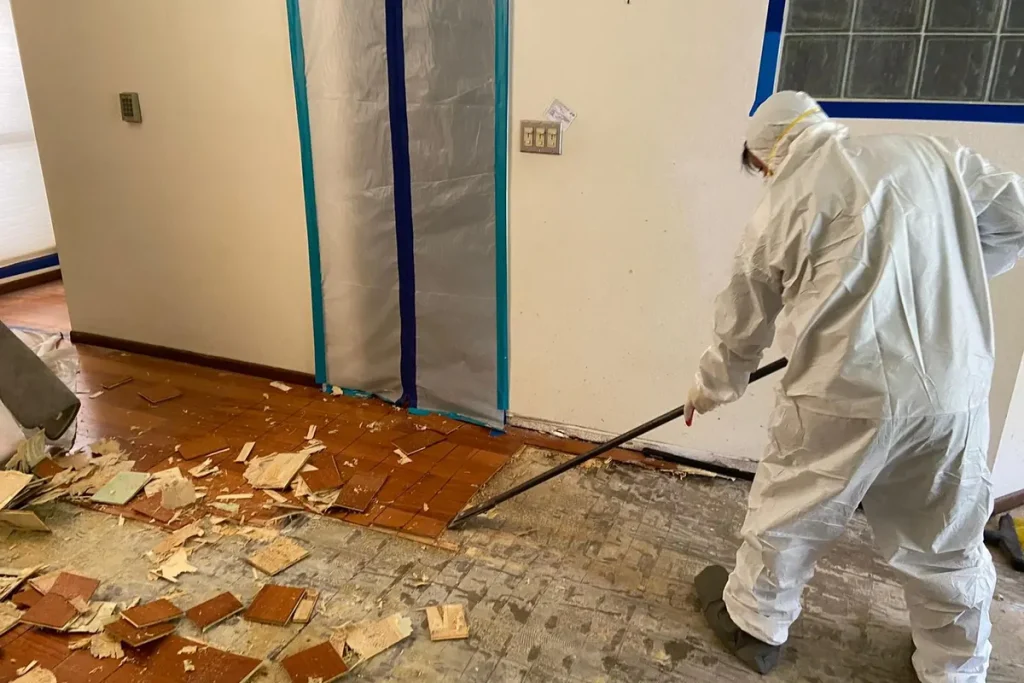
Keeping Your Home Safe
The basics matter more than most people give them credit for. Disinfecting high-touch surfaces regularly, such as doorknobs, countertops, light switches, and bathroom fixtures, creates a meaningful barrier against bacteria and viruses. Use EPA-approved disinfectants rather than general-purpose cleaners, which don’t have the formulation needed to eliminate pathogens effectively. In the kitchen, keep raw meat completely separated from everything else. Use dedicated cutting boards for raw proteins and wash them thoroughly after every use. Cross-contamination in food prep areas is one of the most common and most preventable sources of bacterial illness in the home. Bathrooms require daily attention, not just a weekly wipe-down. Moisture is the main problem. Damp surfaces and poor airflow create the exact conditions mold needs to establish itself. Clean toilets, sinks, and shower areas consistently, and run the exhaust fan during and after every shower to pull humid air out of the room. For long-term mitigation of biohazard contamination risks, ventilation is one of the most underrated aspects of home safety. Fix leaks as soon as they appear. Address any area where water is pooling or where condensation builds up regularly. Mold can begin growing within 24 to 48 hours of water exposure, which is a much shorter window than most homeowners realize. Catching moisture problems early prevents a minor fix from becoming a major remediation project.Protecting Your Workplace
Workplaces carry a higher baseline risk simply because of scale. More people moving through a space means more surfaces touched, more waste generated, and more chances for something to go wrong. The most effective defense is a workforce that knows what it’s dealing with. Employee training is not optional. A well-informed employee who knows to stop and call for help is far more valuable than someone who improvises and makes the problem worse. Medical and chemical waste must be labeled clearly, sealed properly, and stored in designated areas until it can be disposed of through the correct channels. Placing contaminated materials in regular trash bins is not just careless. In many jurisdictions, it is illegal and carries serious liability for the business. Having a documented waste management procedure in place protects both employees and the organization. Routine inspections of bathrooms, break rooms, storage areas, and other high-risk spaces help in biohazard contamination risks reduction early. Fixing problems early is usually faster and far less expensive.When to Call in Professionals
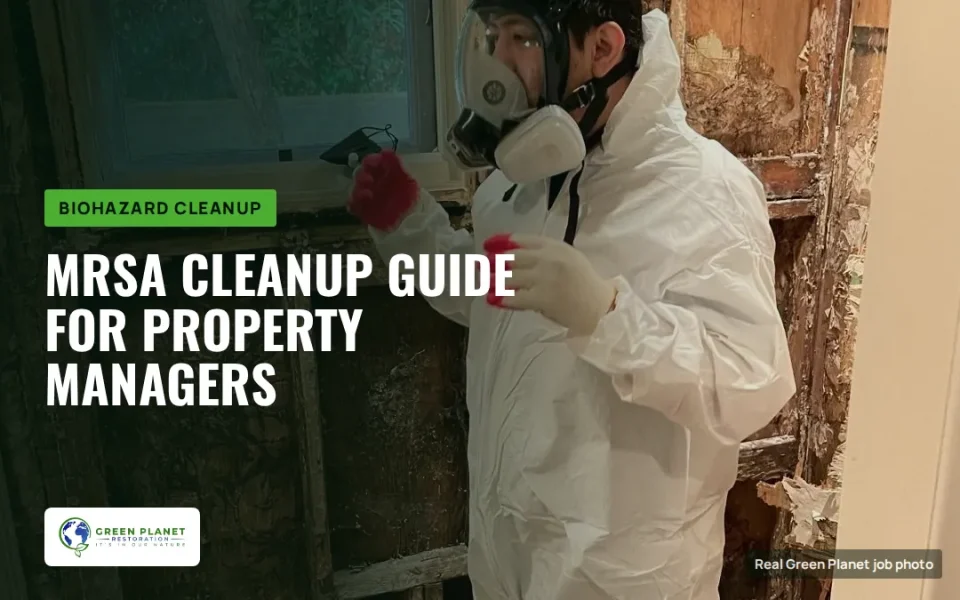
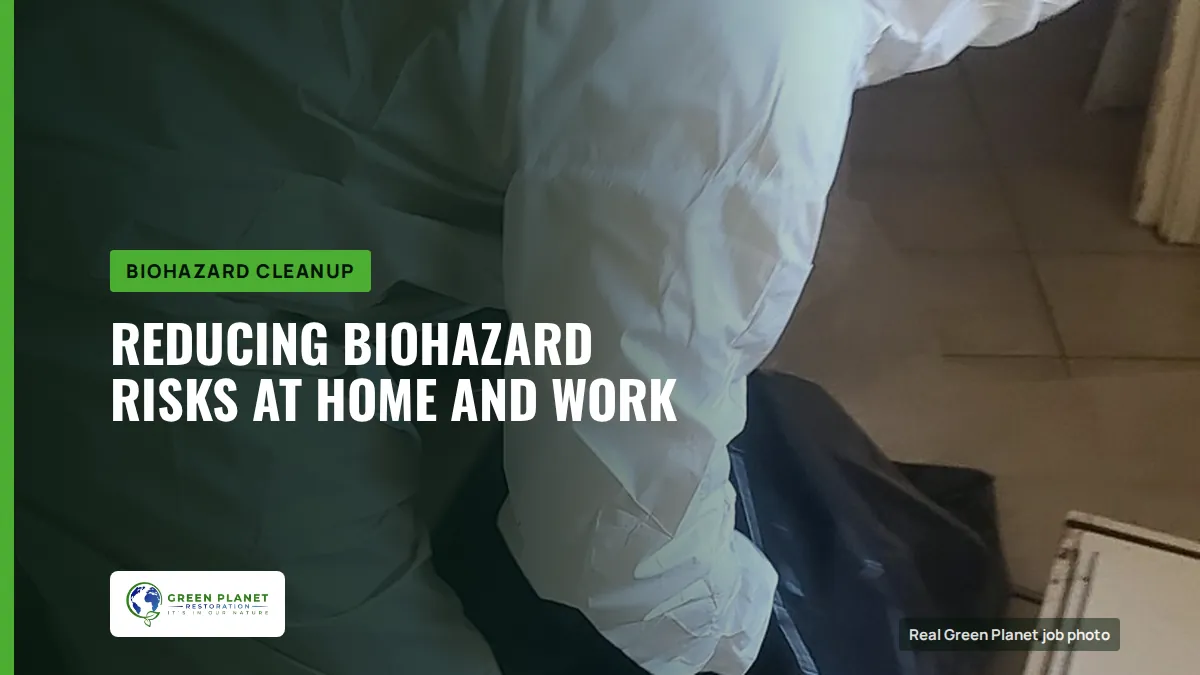
Blood spills, sewage leaks, trauma scenes, and serious mold infestations carry pathogens that require specialized equipment and training to address safely. OSHA estimates over 5.6 million workers in healthcare and remediation face exposure to bloodborne pathogens like HIV, Hepatitis B and Hepatitis C, which is the level of risk involved. Green Planet Restoration provides biohazard cleanup services under OSHA standards and local health regulations. The team uses industrial-grade disinfectants, proper containment procedures, and handles all waste disposal in compliance with environmental law. Improper disposal creates liability that comes back to haunt property owners and businesses alike. If you’re dealing with contamination you’re not equipped to handle, don’t attempt it yourself. Call Green Planet Restoration and get it done right.The Bottom Line
Biohazard contamination risks reduction comes down to consistency and awareness. Staying on top of ventilation, surface cleaning, moisture control, and waste management handles the majority of everyday risks. Training the people in your space to recognize and respond to hazards correctly adds another layer of protection. And when something serious happens, contact Green Planet Restoration for a proper biohazard cleanup to keep people safe.Need a biohazard cleanup crew?
We find the damage, dry or clean the structure and repair it. On site in about 45 minutes, 24/7.

Written by the Green Planet Restoration team
Our articles are written and reviewed by the crews who handle water, fire and mold damage every day across Southern California, Seattle, Miami-Dade and Las Vegas. About us