
Why is MRSA so Dangerous?
Most bacteria respond to standard antibiotics and cleaning products. MRSA doesn’t. That’s the whole problem with it. Methicillin-resistant Staphylococcus aureus (MRSA) is resistant to many common antibiotics. It can survive on surfaces like doorknobs, gym equipment and bathroom faucets for days. Anyone who touches a contaminated surface can be at risk of infection. For property managers overseeing shared spaces, that’s a serious concern. MRSA travels through skin-to-skin contact and contaminated surfaces. Multi-unit residential buildings, gyms, and offices create exactly the kind of environment where it can quietly spread before anyone realizes what’s happening. The same goes for other communicable diseases, COVID-19, the flu, and others, which can survive on hard surfaces longer than most people assume.How to Know When Cleanup is Needed
Regular cleaning keeps a property looking good. It doesn’t eliminate MRSA. If you find out a tenant or employee has been diagnosed, or if multiple people in the same area are reporting skin infections that won’t heal, that’s not a job for a mop and some all-purpose spray. Also, avoid visible blood or body fluids, contaminated bedding or upholstery, or shared bathrooms that an infected person used regularly. In any of these situations, standard disinfectants won’t cut it. Many commercial cleaning products reduce surface bacteria, but resistant strains require medical-grade disinfectants that aren’t sold at the hardware store. The longer contaminated surfaces stay in use, the more opportunity the bacteria have to spread, and the larger the MRSA cleanup scope becomes.Immediate Steps to Take
What Professional MRSA Cleanup involves
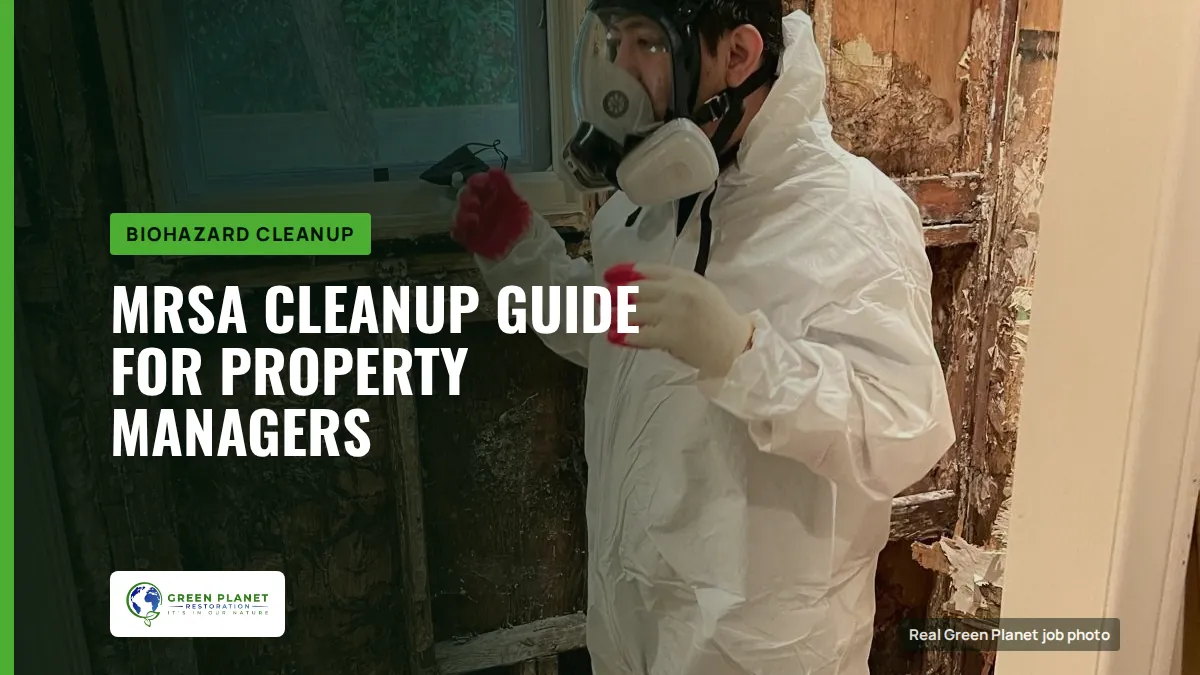
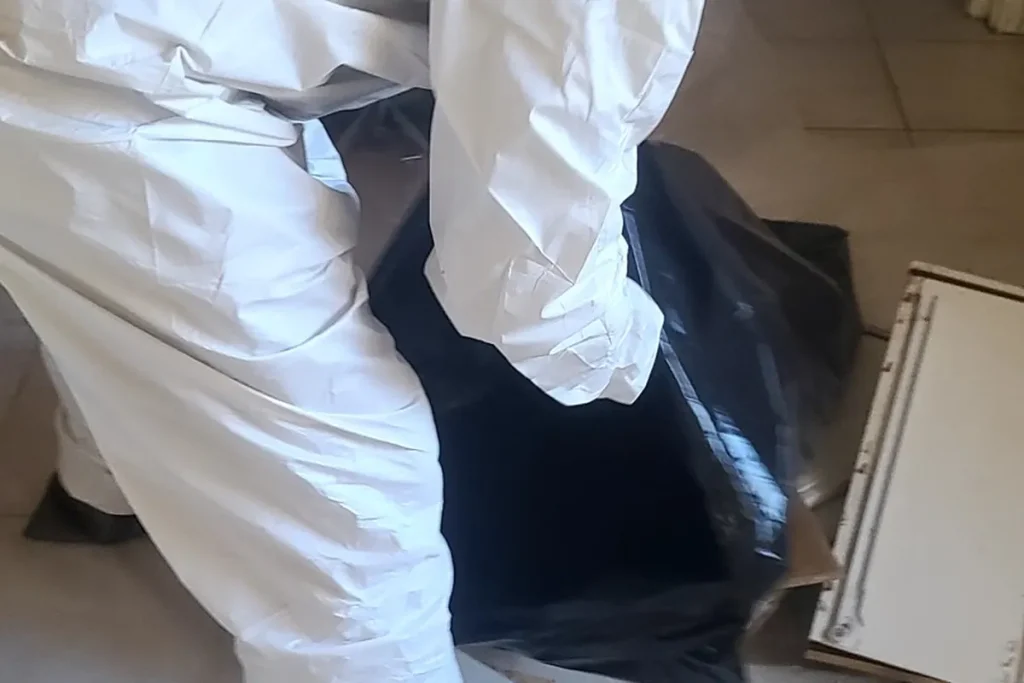
This isn’t just industrial-strength mopping. Green Planet Restoration cleanup crews use EPA-registered disinfectants specifically formulated to neutralize resistant bacteria. Every high-contact surface gets treated, including light switches, door handles, railings, countertops and shared equipment. Carpet and upholstered furniture that cannot be fully cleaned are removed and thrown away safely. We follow proper biohazard waste rules to keep everyone safe. In some cases, we use HEPA air filters and UV disinfection. These help clean the air and reduce anything left behind after surface cleaning. Trying to cut corners here creates liability. If a tenant gets sick because a contaminated area wasn’t properly remediated, the paper trail matters. A professional MRSA cleanup comes with documentation that you took the situation seriously.How to Prevent Future Risks?
Once the immediate problem is resolved, prevention becomes the priority. This is not complicated, but it requires consistency. Shared spaces, gyms, laundry rooms, lobbies, and bathrooms need a regular disinfection schedule, not just a wipe-down when they look dirty. Staff should be trained on which products actually work and how to use them correctly. Tenant communication helps, too. You don’t need to cause alarm, but a simple note reminding residents to avoid sharing personal items like towels, to wash hands regularly, and to report skin infections early can make a real difference. People take hygiene more seriously when they understand what they’re protecting against.Final Remarks
MRSA cleanup on your property is not a situation to manage quietly or slowly. The faster you isolate the area, the better. Bring in qualified help as soon as possible. Communicate clearly with everyone involved. This protects your tenants, your staff, and reduces your liability. If you are in California and you are dealing with this right now, contact Green Planet Restoration. We handle biohazard cleanup with EPA-certified disinfectants and the equipment to do it right. Don’t wait to see if it resolves on its own. It won’t. ___________________________References
Boyce, J. M., Potter-Bynoe, G., Chenevert, C., & King, T. (1997). Environmental contamination due to methicillin-resistant Staphylococcus aureus: Possible infection control implications. Infection Control and Hospital Epidemiology, 18(9), 622–627. https://doi.org/10.1086/647686 Centers for Disease Control and Prevention. (2025, June 26). Athletic facilities: MRSA prevention and control. https://www.cdc.gov/mrsa/prevention/coaches-athletic-directors.html Centers for Disease Control and Prevention. (2025, June 26). Preventing methicillin-resistant Staphylococcus aureus (MRSA). https://www.cdc.gov/mrsa/prevention/ Centers for Disease Control and Prevention. (2025, June 26). Schools and daycares: MRSA prevention and response. https://www.cdc.gov/mrsa/prevention/schools-and-daycares.html Coughenour, C., Stevens, V., & Stetzenbach, L. D. (2011). An evaluation of methicillin-resistant Staphylococcus aureus survival on five environmental surfaces. Microbial Drug Resistance, 17(3), 457–461. https://doi.org/10.1089/mdr.2011.0007 Tuominen, K., Frosth, S., Pedersen, K., Rosendal, T., & Sternberg Lewerin, S. (2023). Survival of livestock-associated methicillin-resistant Staphylococcus aureus CC398 on different surface materials. Acta Veterinaria Scandinavica, 65(1), 1–8. https://doi.org/10.1186/s13028-023-00676-z Williams, C., Davis, D. L., & Davis, P. (2009). Methicillin-resistant Staphylococcus aureus fomite survival. Clinical Laboratory Science, 22(1), 34–38. ___________________________Disclaimer
This reference list is provided for informational purposes only and does not constitute professional medical advice, legal guidance, or a substitute for consultation with qualified health, safety, or legal professionals. The blog post and references cited are not intended to diagnose, treat, cure, or prevent any disease. Property owners and managers should consult with certified biohazard remediation specialists, such as Green Planet Restoration, and follow all applicable local, state, and federal regulations.Need a biohazard cleanup crew?
We find the damage, dry or clean the structure and repair it. On site in about 45 minutes, 24/7.

Written by the Green Planet Restoration team
Our articles are written and reviewed by the crews who handle water, fire and mold damage every day across Southern California, Seattle, Miami-Dade and Las Vegas. About us