
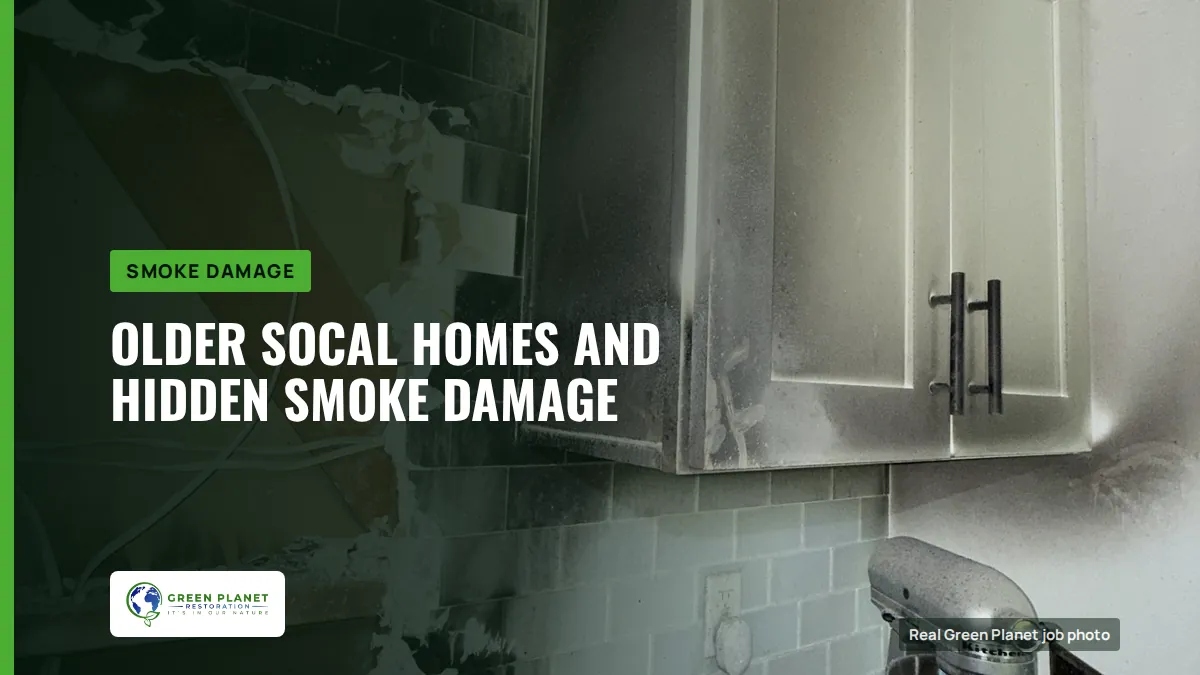
Why Older Southern California Homes Are More Vulnerable to Smoke Intrusion
Many older Southern California homes were built decades before wildfire-resistant building standards became common. Back then, construction focused more on cooling homes naturally during hot weather than sealing them tightly against outside air. That older design style creates problems during wildfire season. Over time, homes naturally shift and wear down. Window seals dry out. Roof penetrations loosen slightly. Crawlspace gaps widen. Any gaps around plumbing or electrical lines can be a source of smoke entering the home. EPA says that wildfire smoke can enter buildings via ventilation systems, windows, doors, and gaps in the structure (EPA, 2023). FEMA has also warned that smoke can spread through attics and hidden air pathways during wildfire events (FEMA, 2021).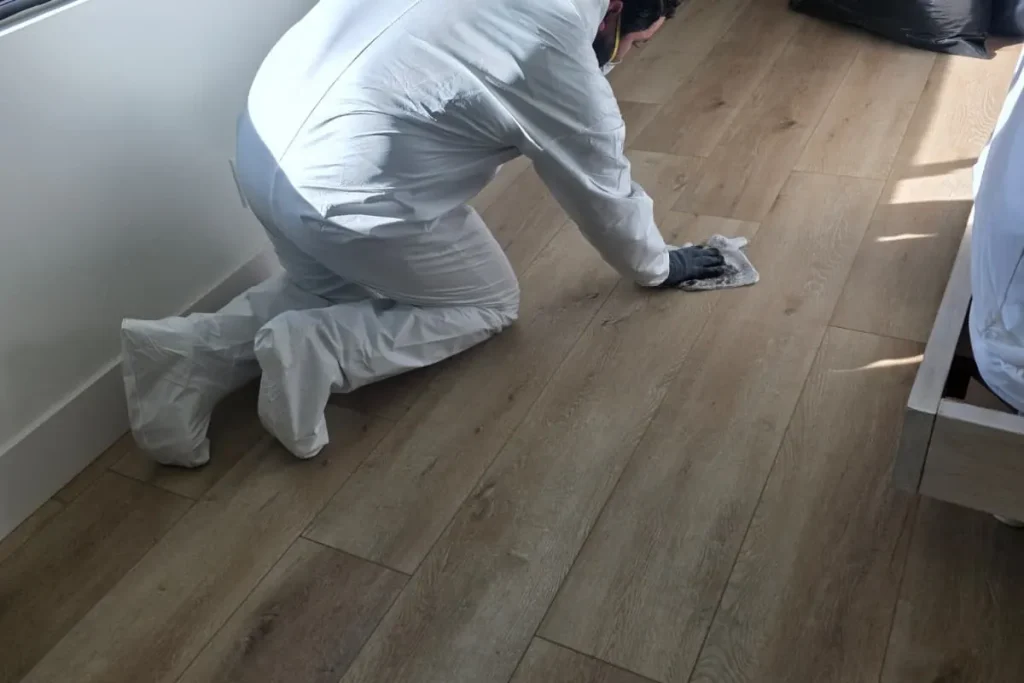
- attic vents
- soffit openings
- crawlspaces
- leaking ductwork
- wall penetrations
- chimney gaps
- aging door and window seals
Why Southern California Architecture Increases Exposure
Southern California homes have several regional design features that make smoke intrusion easier. Older Pasadena-area homes use vented attics to release heat during long summers. Many also have raised foundations and crawlspaces that allow airflow underneath the structure. Those systems help with temperature control but also create direct pathways for smoke. Older stucco homes can develop cracking around windows and utility penetrations over time. Wood framing expands and contracts through decades of heat cycles, which can gradually open additional leakage areas. Homes near foothill communities and canyon zones face even greater exposure because smoke-driven winds move heavily through those areas during wildfire events. Many of these houses were simply never designed with wildfire smoke damage in mind.How Wildfire Smoke Actually Enters a House
Wildfire smoke is made up of gases, soot, ash, and microscopic particles. One of the biggest concerns is PM2.5 particulate matter. These particles measure 2.5 microns or smaller, which means they are small enough to move through gaps homeowners would never normally notice.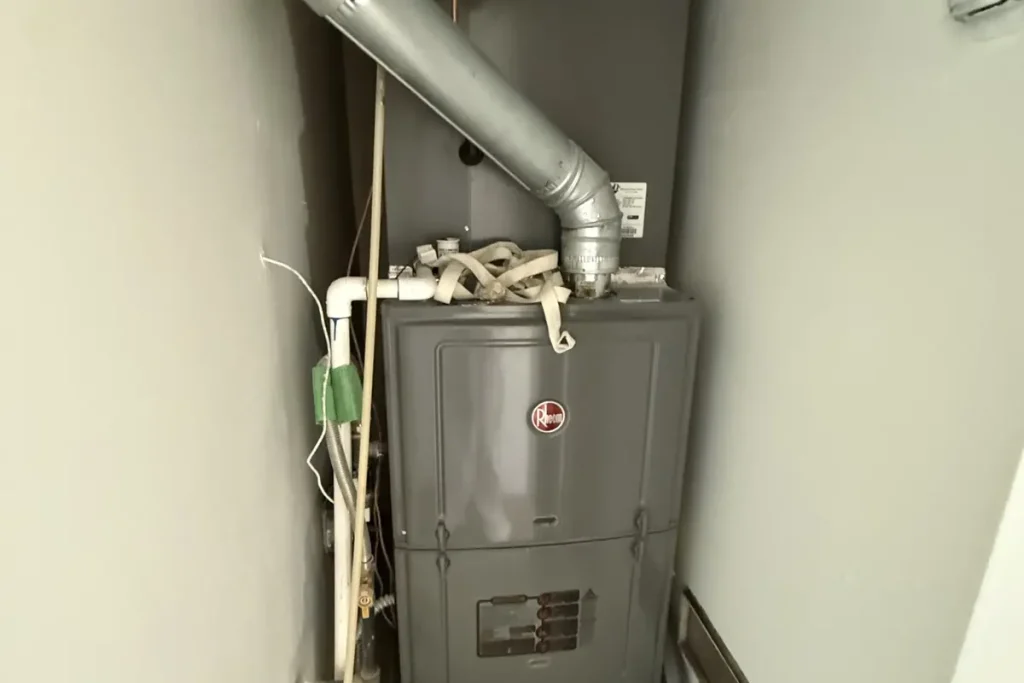
Attics
Attics are one of the first places smoke settles. Older Southern California homes commonly rely on vented attic systems. During wildfire events, smoke moves through intake vents and settles into exposed insulation and framing.HVAC Systems
HVAC systems can pull smoke indoors through return air vents. If ductwork leaks or passes through contaminated attic spaces, smoke particles can circulate throughout the house.Crawlspaces and Wall Cavities
Air naturally moves upward through a home. As that happens, replacement air gets pulled in from crawlspaces and hidden wall cavities. If those areas contain smoke contamination, particulates continue circulating indoors.Doors and Windows
Older weather stripping and warped framing leave small openings around doors and windows. During prolonged smoke events, even tiny gaps matter.HVAC Contamination: The Hidden System Most Homeowners Overlook
Many homeowners focus on visible smoke and forget about what happens inside the ventilation system. During wildfire events, HVAC systems continuously pull air through return vents and circulate it through the home. Smoke particles can settle inside:- ductwork
- blower compartments
- evaporator coils
- insulation liners
- filter housings
Why Older HVAC Systems Are Higher Risk
Older HVAC systems tend to have more leakage and weaker filtration. Many pre-1980 systems were not designed to handle prolonged wildfire smoke exposure. Older fiberglass-lined ducts may absorb odor compounds deeply, while aging duct seals can allow attic air to enter the system. Older systems also lack compatibility with modern HEPA-grade filtration.Smoke Odor Persistence Inside HVAC Components
Smoke odor does not just stay on the surface of HVAC equipment. Odor compounds can cling to coils, duct liners, blower components and return ducts. Heat and airflow may reactivate those smells repeatedly during hot Southern California weather. Homeowners sometimes assume new smoke is entering from outside when the source is actually inside the ventilation system itself.Why Smoke Odors Linger Longer in Older Homes
Wildfire smoke contains volatile organic compounds, commonly called VOCs. These compounds are released when vegetation, plastics, household materials and synthetic products burn. According to EPA wildfire smoke guidance, VOCs can attach to indoor surfaces and contribute to lingering odor problems indoors (EPA, 2023). That lingering campfire smell comes from absorbed smoke residue slowly releasing back into the air.Porous Materials Absorb Smoke Deep Below the Surface
Smoke contamination becomes difficult to remove because many household materials are porous. Instead of staying on the surface, smoke particles sink deep into materials like:- insulation
- carpeting
- upholstery
- unfinished wood
- drywall
- acoustic ceiling materials
Older Materials Often Retain More Smoke
Older homes in the Southland region have original building components that are porous to smoke and retain it better. The smell can get trapped deep in older carpet padding, older insulation or unfinished wood framing, and these substances make the smoke and odors much more difficult to remove. In homes built before the 1980s, smoke odor settles deep into hidden materials homeowners rarely see.Hidden Smoke Contamination in Attics, Insulation, and Wall Cavities
Attics collect large amounts of airborne particulate matter during wildfire events. Because many older homes use vented attic systems, smoke easily settles into insulation and exposed framing. As attic temperatures rise and fall, airflow movement can continue pushing odor compounds into living spaces.Smoke Damage Inside Insulation
Insulation absorbs smoke surprisingly well. Fiberglass insulation traps particles between fibers. Cellulose insulation can absorb both soot and odor compounds because of its density. In many older homes, insulation has also settled and broken down over time, creating gaps that allow smoke and air to move more easily through hidden areas of the house.Wall Cavities and Long-Term Odor Retention
Smoke can move into wall cavities through plumbing gaps, electrical penetrations and framing joints. Because those spaces stay enclosed, contamination may remain trapped for long periods. Many homeowners notice smoke odor returning during heat waves or heavy HVAC use because warm airflow reactivates odor compounds hidden inside walls and ceilings.Indoor Air Quality Risks After Wildfire Smoke Exposure
One of the biggest misconceptions about wildfire smoke is that the problem disappears once outdoor air clears. In reality, indoor contamination remains. Smoke particles that settle inside a home can get stirred up again. Vacuuming, walking through the house, moving furniture or even turning on the heating or cooling system can push those particles back into the air. In older homes, this happens more because smoke can collect inside attics, old ductwork, and small gaps behind walls where it continues circulating long after the wildfire smoke outside is gone. According to Efraim Haim, who was recently interviewed by ABC7 Los Angeles News Channel, taking these proactive steps can help minimize smoke infiltration. As wildfires rage, poor air quality becomes a pressing concern. Here are Top Tips for Protecting Your Home and Health During and After Wildfires. Also watch the interview here:Long-Term IAQ Concerns in Older Homes
The California Air Resources Board notes that wildfire smoke exposure can continue affecting indoor air quality after active fire events end (California Air Resources Board, 2024). The danger is not just the visible soot or odor. Smoke from modern wildfires may include toxic compounds from burned plastics, wiring, roofing materials, and insulation, making indoor contamination more hazardous than many homeowners realize, a hidden cost Wildfire Smoke Inside California Homes. Older homes may struggle more because they contain:- persistent particulate reservoirs
- aging ventilation systems
- hidden structural leakage
- porous legacy materials
Common Signs of Hidden Smoke Damage Homeowners Miss
Hidden smoke contamination is not always visible. Some of the most common warning signs include:- smoke odor strongest during HVAC operation
- lingering campfire smell indoors
- yellowing near air vents
- dusty attic discoloration
- indoor air feeling worse during hot weather
- recurring throat or eye irritation
- smoke odor returning after cleaning
Can Smoke Damage Remain for Months or Years?
Yes, especially in older homes. How long contamination lasts depends on:- smoke intensity
- duration of exposure
- building age
- ventilation quality
- material type
- depth of absorption
Conclusion
Wildfire smoke damage is invisible, especially in older Southern California homes. Many pre-1980 houses were built for ventilation and heat control rather than airtight smoke protection. Over time, aging materials, attic vents, crawlspaces, and leaking HVAC systems create pathways where smoke can settle deep inside the structure. That contamination lingers in insulation, ductwork, wall cavities, carpeting, and unfinished wood long after outdoor air improves. If you suspect lingering smoke odors, indoor haze, or wildfire-related contamination inside your property, Smoke Damage Restoration Pasadena services from Green Planet Restoration of Pasadena can help identify hidden smoke residue, improve indoor air quality, and restore affected areas before long-term damage spreads further. Understanding how smoke behaves inside older homes is important because the damage is not always visible, and in many cases, the effects continue long after the wildfire itself has passed. ________________Frequently Asked Questions
Can smoke damage remain after a wildfire?
Yes. Smoke particles and odor compounds can remain inside porous materials, insulation, and HVAC systems long after a wildfire ends.Why do older homes retain smoke odor longer?
Older homes have fewer cracks, gaps and hidden openings where the smoke can enter. They also frequently have older, more porous materials that absorb more smoke and can trap smoke particles and odors deeper within the home over time.Does smoke stay in HVAC systems?
Yes. Smoke particulates can settle inside ducts, coils, blower compartments and insulation liners.How long does wildfire smoke smell last indoors?
It varies widely. Mild exposure may fade within days, while deeper contamination can persist for months.Can smoke damage walls and insulation?
Yes. Smoke can settle into insulation, unfinished wall cavities, and structural framing.What materials absorb smoke the most?
Insulation, carpeting, upholstery, unfinished wood, and acoustic ceiling materials are among the most absorbent. __________________References
California Air Resources Board. (2024). Wildfire smoke and indoor air quality. https://ww2.arb.ca.gov Environmental Protection Agency. (2023). Wildfire smoke factsheet. https://www.epa.gov Federal Emergency Management Agency. (2021). Wildfire mitigation and smoke infiltration guidance. https://www.fema.gov National Air Duct Cleaners Association. (2021). HVAC systems and wildfire smoke contamination. https://nadca.comProperty damage right now?
We find the damage, dry or clean the structure and repair it. On site in about 45 minutes, 24/7.

Written by the Green Planet Restoration team
Our articles are written and reviewed by the crews who handle water, fire and mold damage every day across Southern California, Seattle, Miami-Dade and Las Vegas. About us