
Why Biohazards Are Different from Normal Messes
Biohazards are materials that can carry diseases or harmful bacteria. This includes blood, human tissue, urine, feces, and even contaminated water. Unlike dirt or food stains, these materials can spread viruses and bloodborne pathogens such as hepatitis B, hepatitis C, and other infectious microorganisms. According to the CDC, some bloodborne pathogens can survive on surfaces for extended periods if not properly disinfected. Wiping with household disinfectants alone is not enough to eliminate the risk.What Is the Difference Between Cleaning, Sanitizing, Disinfecting, and Remediation?
- Cleaning removes visible dirt, stains, or debris from a surface. This step may improve appearance, but it does not always kill harmful microorganisms.
- Sanitizing lowers the number of germs to a safer level based on public health standards. This process is common in kitchens, bathrooms, and public spaces.
- Disinfecting uses chemical products to kill bacteria, viruses, and other pathogens on surfaces. EPA-registered disinfectants must be used according to label directions and contact times for proper pathogen control.
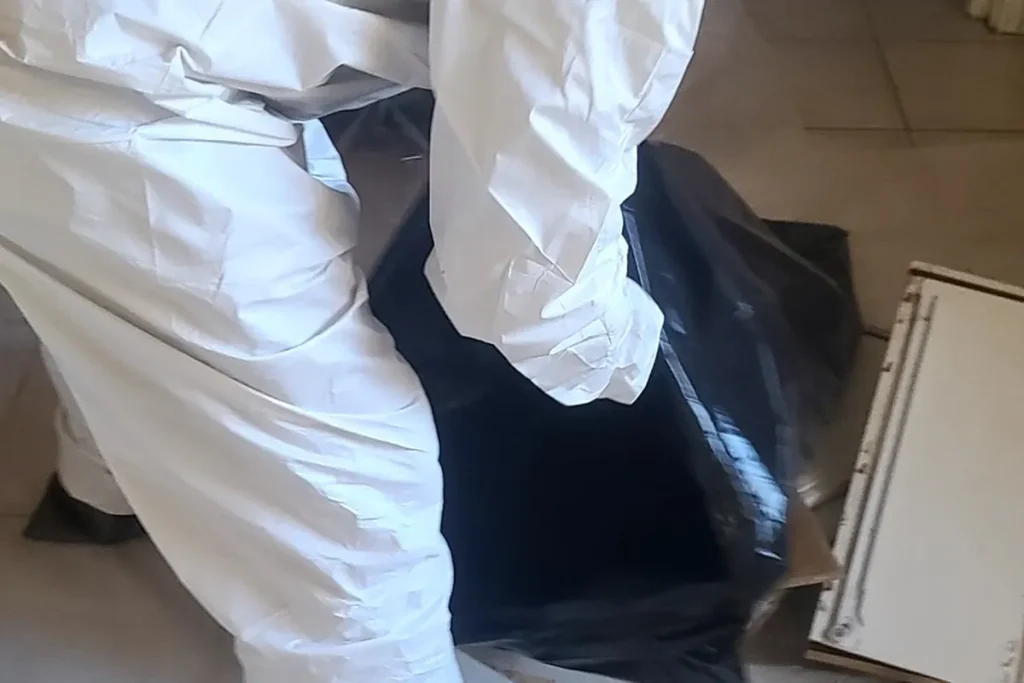
- Remediation goes beyond surface cleaning. Biohazard remediation includes identifying hidden contamination, removing affected materials, disinfecting the area, deodorizing the property, and disposing of hazardous waste according to state and federal regulations.
What Situations Require Professional Biohazard Cleaners?
Biohazard cleaners are used in many situations where dangerous contamination may be present. Common examples include:- Unattended death cleanup
- Suicide cleanup
- Crime scene cleanup
- Hoarding situations involving human or animal waste
- Sewage backup contamination
- Blood and bodily fluid cleanup
- Infectious disease contamination
- Drug paraphernalia or needle removal
Limits of Household Cleaners
Clorox and similar products are designed for light cleaning jobs. They work well for kitchens, bathrooms, and daily sanitation. However, they have limits when dealing with biohazards. Household vs biohazard cleaners:- Do not penetrate deep into porous materials like carpet or wood. Blood or fluids can seep under floors and remain hidden.
- They are ineffective against all pathogens. Many biohazards require stronger, hospital-grade disinfectants that are used only by licensed biohazard cleaners.
- Do not remove strong odors caused by decomposition or long-term contamination.
- They cannot legally be used to package, transport, or dispose of biohazard waste under California law.
Risks to Health and Property
Improper cleanup is not only unsafe for occupants but can also damage the property. Poor cleaning may result in bacteria that are transmitted to any person who visits the area afterwards. It may also cause long-term odor issues that devalue property. According to the California Health and Safety Code, improper disposal of regulated medical or biohazardous waste may violate California disposal regulations. This adds financial risk on top of health risks.California Biohazard Waste Disposal Legal Requirements
What Standards Do Professional Biohazard Cleaners Follow?
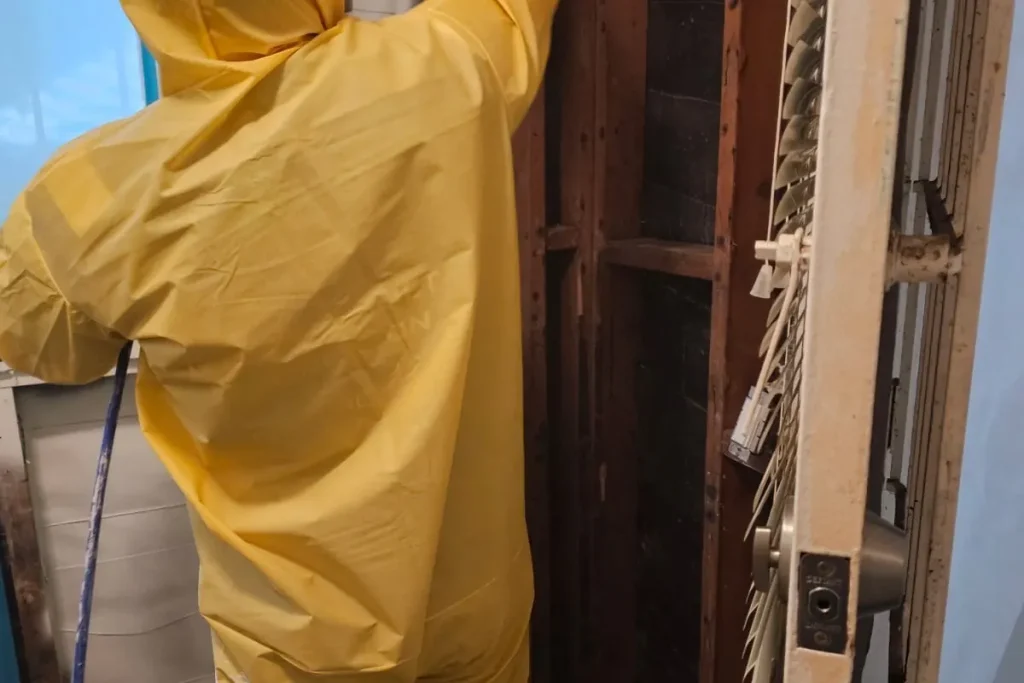
Professional biohazard cleanup companies follow safety and disposal standards designed to reduce exposure risks. The Occupational Safety and Health Administration (OSHA) has Bloodborne Pathogens Standards that address worker safety during exposure to blood or infectious materials. These standards cover protective equipment, handling procedures, and training requirements. The Environmental Protection Agency (EPA) maintains List N disinfectants that are approved for use against many viruses and pathogens. Professional biohazard cleanup crews often use EPA-registered products that are labeled for biohazard disinfection. Some restoration companies also follow guidelines from the Institute of Inspection Cleaning and Restoration Certification (IICRC) for trauma scene cleanup and contamination removal practices. Following these standards helps reduce health risks and supports safer cleanup procedures.Household vs Biohazard Cleaners: Specialized Tools and Training
Compared to household cleaners, professional biohazard cleaners use:- Hospital-grade disinfectants that are EPA-approved for pathogen removal.
- Enzyme-based cleansers work on a molecular level to break down organic materials.
- Ozone machines and hydroxyl generators are used to remove deep odors.
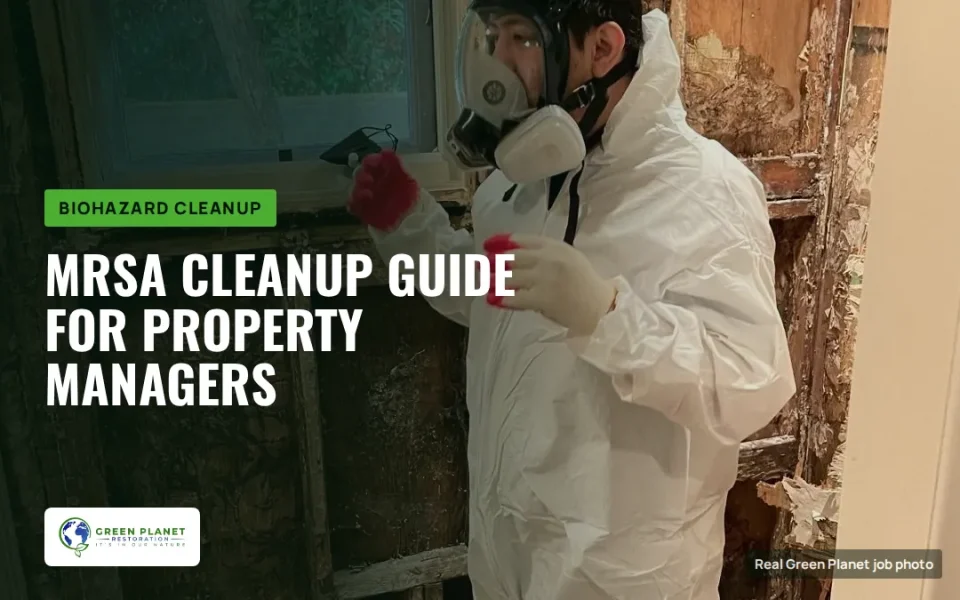
- Personal protective gear, gloves, and respirators for workers’ safety during the cleanup process.
What To Do Before Professionals Arrive
If a biohazard situation happens, it is normal to feel unclear about what to do next. The safest approach is to stay calm and avoid trying to clean the space yourself. These simple steps can help secure everyone until professionals arrive.1. Avoid touching the contaminated area.
Do not touch or try to clean any blood, bodily fluids, or unknown substances. These materials can carry germs and may be dangerous without proper protective equipment.2. Keep children and pets away.
Make sure kids and pets stay far from the affected place. Close the door if possible or block the space so no one enters by mistake.3. Turn off the HVAC system if you can do it safely.
If the heating or air conditioning system is running, it may spread odors or particles to other parts of the home. Turning it off can help keep the problem contained.4. Call a licensed and certified cleanup crew right away.
Licensed and certified cleanup crews use specialized equipment and follow strict safety procedures, as explained in our guide on handling crime and trauma scene cleanup safely. Contacting them quickly helps reduce risks and prevents further damage. These steps are simple, but they can make your home safe until help arrives.Does Homeowners Insurance Cover Biohazard Cleanup?
Insurance coverage may be affected if cleanup is not performed according to professional standards. Insurance coverage for biohazard cleanup depends on the cause of the incident and the terms of the policy. Some homeowner’s insurance policies may help cover cleanup related to:- Unattended deaths
- Crime scenes
- Accidental injuries inside the home
- Sewage backups if additional coverage was purchased
Call Green Planet Restoration
If you are a California property owner dealing with a biohazard situation, don’t rely on Clorox or household products. They may clean the surface, but they cannot remove the danger. Call Green Planet Restoration for help immediately. We provide licensed and certified biohazard cleanup services that follow California laws and keep you safe. Our team of trained biohazard cleaners is on call 24/7 and can respond fast to restore your property. We have the skills, equipment, and care needed to handle these tough situations. We also collaborate with insurance adjusters to streamline the process and help you deal with any potential claims. Don’t wait! Contact Green Planet Restoration today for professional biohazard cleanup services you can trust. Keep your property safe, protect your health, and let us make sure the job is done the right way._____________________
Disclaimer
This article is provided for informational purposes only and should not be considered medical, legal, insurance, or professional remediation advice. Biohazard situations may involve exposure to infectious materials, hazardous waste regulations, and insurance policy limitations that vary by location and circumstance. Property owners should consult qualified medical professionals for health-related concerns, licensed attorneys for legal questions, and their insurance provider for coverage details. Biohazard cleanup should be handled by trained and properly equipped professionals who follow applicable local, state, and federal regulations. This article was reviewed and approved by biohazard cleanup specialists at Green Planet Restoration._____________________
References
Centers for Disease Control and Prevention. (2024). Bloodborne infectious diseases: HIV/AIDS, hepatitis B, hepatitis C. U.S. Department of Health & Human Services. https://www.cdc.gov/niosh/topics/bbp/ California Department of Public Health. (2024). Medical Waste Management Act. California Health and Safety Code, Sections 117600–118360. https://www.cdph.ca.gov/Programs/CEH/DRSEM/Pages/MWMA.aspx Environmental Protection Agency. (2024). List N: Disinfectants for emerging viral pathogens. U.S. Environmental Protection Agency. https://www.epa.gov/pesticide-registration/list-n-disinfectants-emerging-viral-pathogens Institute of Inspection Cleaning and Restoration Certification. (2021). ANSI/IICRC S540 standard for trauma and crime scene cleanup. IICRC Standards. https://iicrc.org/s540/ Occupational Safety and Health Administration. (2024). Bloodborne pathogens standard. United States Department of Labor. https://www.osha.gov/bloodborne-pathogensNeed a biohazard cleanup crew?
We find the damage, dry or clean the structure and repair it. On site in about 45 minutes, 24/7.

Written by the Green Planet Restoration team
Our articles are written and reviewed by the crews who handle water, fire and mold damage every day across Southern California, Seattle, Miami-Dade and Las Vegas. About us