
What Is a HEPA Vacuum and How Does It Work?
HEPA stands for High Efficiency Particulate Air. A real HEPA filter captures 99.97% of airborne particles as small as 0.3 microns. This range is set by the U.S. Department of Energy. When used in a sealed vacuum system, HEPA filters trap particles in three ways:- Larger particles like dust and mold fragments hit the filter fibers and get stuck
- Medium-sized particles cling to the fibers as air passes through
- Very small particles, like mold spores, move randomly and collide with the fibers
HEPA Vacuum vs Regular Vacuum
A standard household vacuum is not designed for mold remediation. Traditional vacuums can release microscopic mold spores back into the indoor air through exhaust leaks or low-grade filtration systems. This can increase cross-contamination and worsen indoor air quality during cleanup.
A professional HEPA vacuum for mold remediation uses sealed filtration systems specifically designed to capture mold spores, fine particulate matter, and mold-contaminated debris safely. Commercial restoration crews use certified HEPA filtration equipment to reduce airborne contamination during the remediation process.
To learn more about the differences between standard vacuum systems and HEPA vacuuming equipment, read our guide on HEPA vacuuming for restoration and mold cleanup.
Why HEPA Vacuums Cannot Solve Mold Problems Alone
A HEPA vacuum for mold remediation removes loose mold spores and fine dust effectively, but they cannot kill mold or fix the conditions that allow it to grow. The EPA recommends using HEPA vacuuming only after visible mold is removed and moisture problems are corrected. You can read their policy here. And that is why Vacuums with HEPA filtration must be part of a full remediation process.Mold Grows Inside Materials
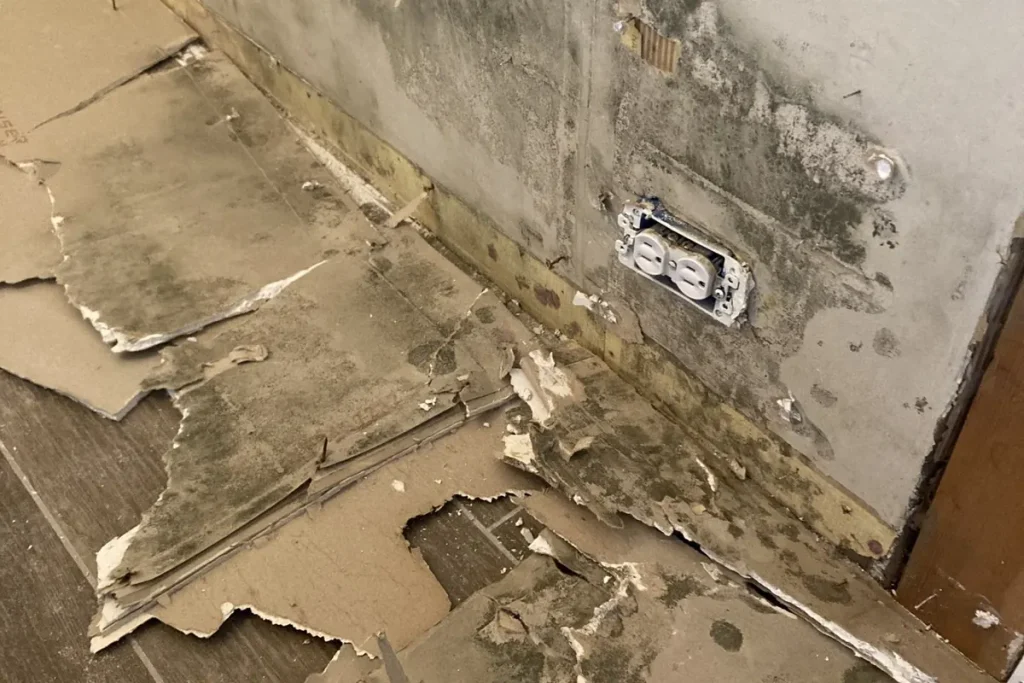
Mold can grow deep inside porous materials such as drywall, insulation, carpet, ceiling tiles, and wood. Spores trapped inside these materials cannot be removed by vacuuming and usually require material removal.Moisture Is the Real Cause
Mold will keep growing if you don’t address leaks, humidity, or condensation. Drying the structure and controlling moisture must happen first.Cleaning Comes Before Vacuuming
In professional mold cleanup, affected surfaces are scrubbed with approved antimicrobial products, and damaged materials are removed through the demolition process when needed. A HEPA vacuum for mold remediation is typically used at the end to collect remaining spores and fine debris.Mold Remediation and Industry Standards
Mold spores can negatively affect indoor air quality and may trigger allergy symptoms, respiratory irritation, asthma flare-ups, and odor issues in contaminated environments. Improper mold cleanup methods can disturb settled spores and spread contamination throughout the structure.
Because of this, professional remediation contractors follow industry guidelines from organizations such as the EPA, OSHA, and ANSI/IICRC S520 standards. These standards focus on proper containment, moisture control, PPE use, post-remediation verification, and safe removal of mold-contaminated materials. Our Seattle, WA restoration crew also follows the same standards for mold remediation and water damage restoration.
When HEPA Vacuums Are Used in Mold Remediation
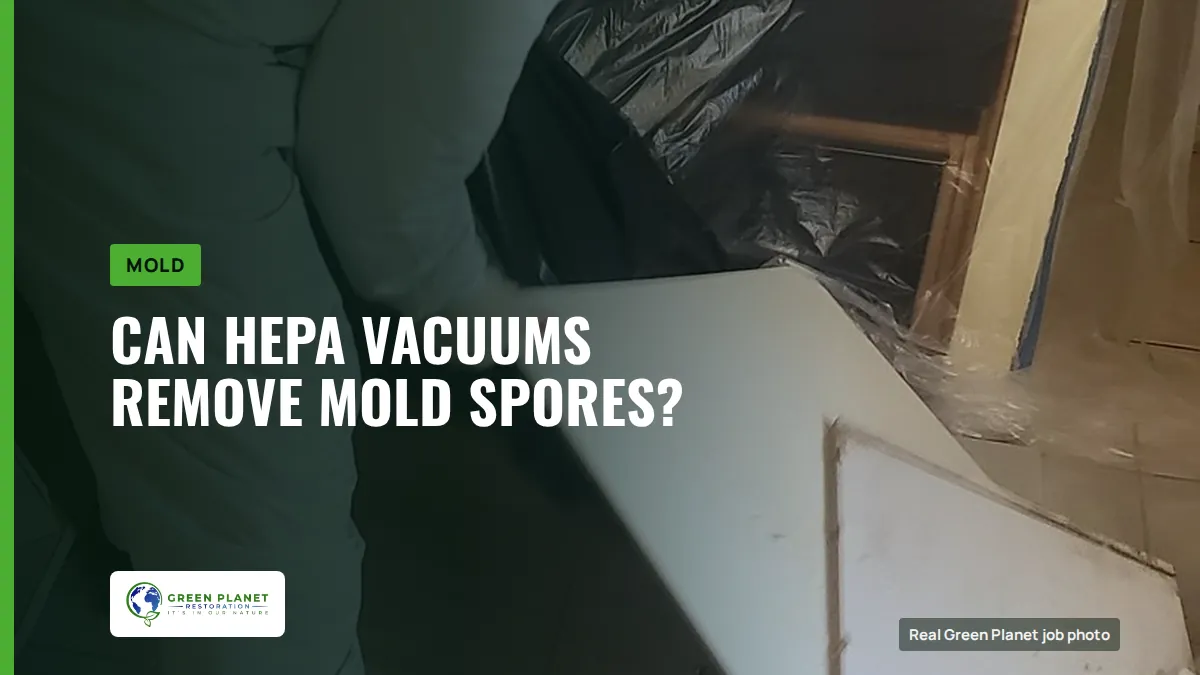
Our restoration crew applies HEPA vacuuming during mold remediation Seattle WA along with containment barriers, air scrubbers, moisture meters and professional drying equipment. The HEPA vacuum for mold remediation is applied to situations such as:- When the damaged materials by mold are taken off and the surfaces are cleaned
- Within the confined space during demolition and cleanup
- In hard surfaces where dust and spores lie
- Near HVAC systems, vents and filters
- Before conducting the final air quality test
Types of HEPA Vacuums Used in Mold Remediation
Different remediation projects may require different types of HEPA vacuum systems depending on the level of contamination and the affected materials. Common examples include:
- Commercial wet/dry HEPA vacuums for water-damaged materials
- Backpack HEPA vacuums for tight spaces and detailed cleaning
- Portable remediation vacuums for confined containment areas
- Heavy-duty restoration vacuums for demolition debris and fine particulate cleanup
Professional restoration contractors choose HEPA equipment based on airflow performance, sealed filtration quality, and remediation requirements.
Should Homeowners Use a HEPA Vacuum for Mold Cleanup?
Small isolated mold problems on non-porous surfaces may sometimes be cleaned using proper PPE and certified HEPA filtration equipment. However, larger contamination issues usually require professional remediation procedures.
DIY mold cleanup without containment or proper filtration can spread spores throughout the property and increase cross-contamination risks. If mold growth involves drywall, insulation, HVAC systems, carpeting, or structural materials, professional remediation is generally recommended.
Common Problems With Low-Quality HEPA Vacuums
Not all HEPA vacuums deliver the same results. The effectiveness of a HEPA vacuum for mold remediation depends on the quality of the filtration system, equipment maintenance, and proper remediation procedures.
Some common problems include:
- Leaks in the vacuum housing or filter seals
- Machines labeled HEPA style instead of certified HEPA
- Dirty or damaged filters that reduce performance
- Using the vacuum before drying or surface cleaning
So, Can HEPA Vacuums Completely Remove Mold Spores?
A HEPA vacuum for mold remediation is an important part of the mold remediation process, but it is not a complete solution by itself. It helps minimize cross-contamination during cleanup and supports a cleaner indoor environment after major remediation work is complete.
With proper use, remediation professionals can fine-tune the cleanup process, control airborne particles, and prepare the space for post-remediation verification and clearance testing. HEPA vacuuming is most effective when combined with containment, moisture control, material removal, negative air pressure, and professional remediation planning.
Get Proper Mold Remediation Today
Water damage and mold contamination should be addressed quickly to help protect indoor air quality and reduce structural damage risks. While a HEPA vacuum for mold remediation is an important part of the cleanup process, successful remediation depends on proper containment, moisture control, certified equipment, and trained professionals following industry standards. Green Planet Restoration of Seattle provides complete mold remediation services, including inspection, containment, demolition, HEPA filtration, drying, odor control, and post-remediation verification. If you need professional help with mold growth, water damage, or indoor air quality concerns, contact our restoration team today for expert remediation support.We find the damage, dry or clean the structure and repair it. On site in about 45 minutes, 24/7.

Our articles are written and reviewed by the crews who handle water, fire and mold damage every day across Southern California, Seattle, Miami-Dade and Las Vegas. About us