
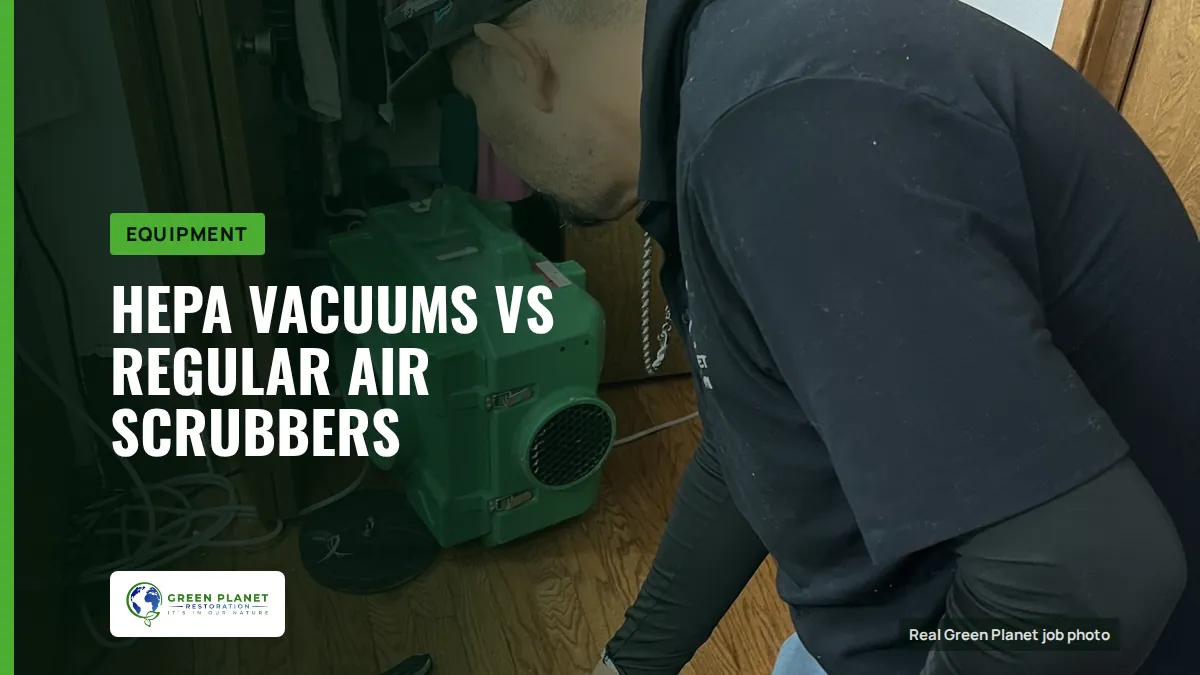
What is an Air Scrubber?
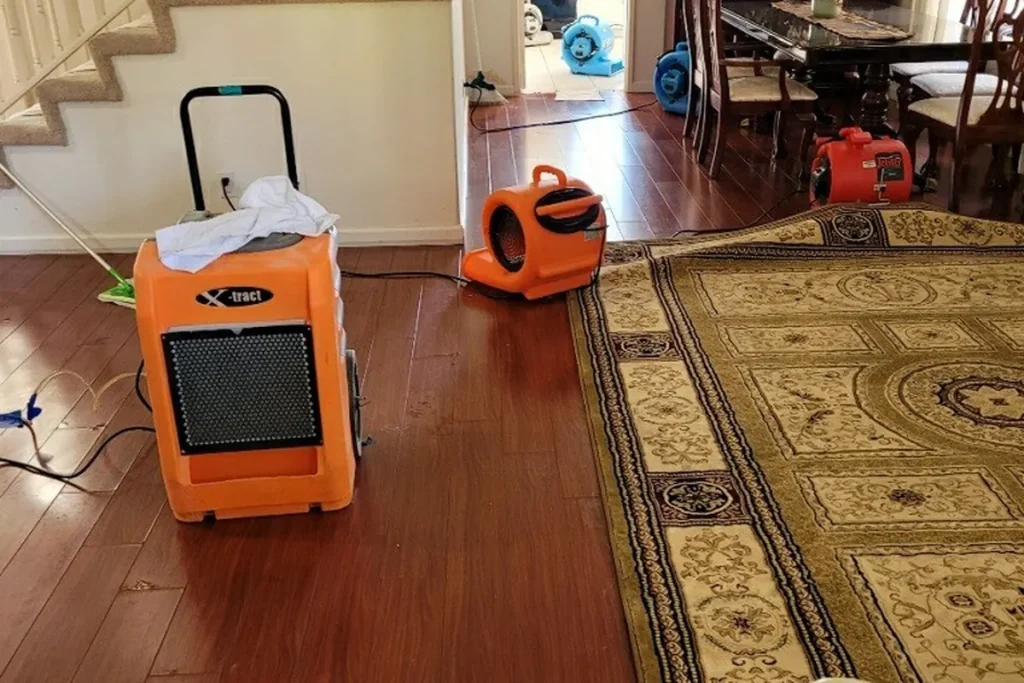
What Makes a Scrubber “Regular”?
Regular air scrubbers use basic filtration, typically a pre-filter for large particles and sometimes a carbon filter for smoke odor. These units can handle dust, sawdust, and some light VOCs. But they are not built to trap microscopic particles. Regular scrubbers can be used for tasks like sanding drywall or cleaning up harmless construction waste. These air scrubbers cannot handle airborne contaminants such as mold, smoke, bacteria, and tiny particles.What Makes HEPA Air Scrubber Different?
HEPA stands for High-Efficiency Particulate Air. These air scrubbers are designed to capture at least 99.97% of airborne particles down to 0.3 microns. When you work in a high-risk area, such as crawl space cleanup, where moisture, mold, and indoor air quality are major issues, this level of filtration is very important. HEPA Air Scrubbers filter:- Mold spores
- Fine soot and ash
- Pet dander
- Bacteria
- Some models can even trap certain viruses.
Why Is HEPA Vacuuming Required for Mold Removal and Restoration in Seattle?
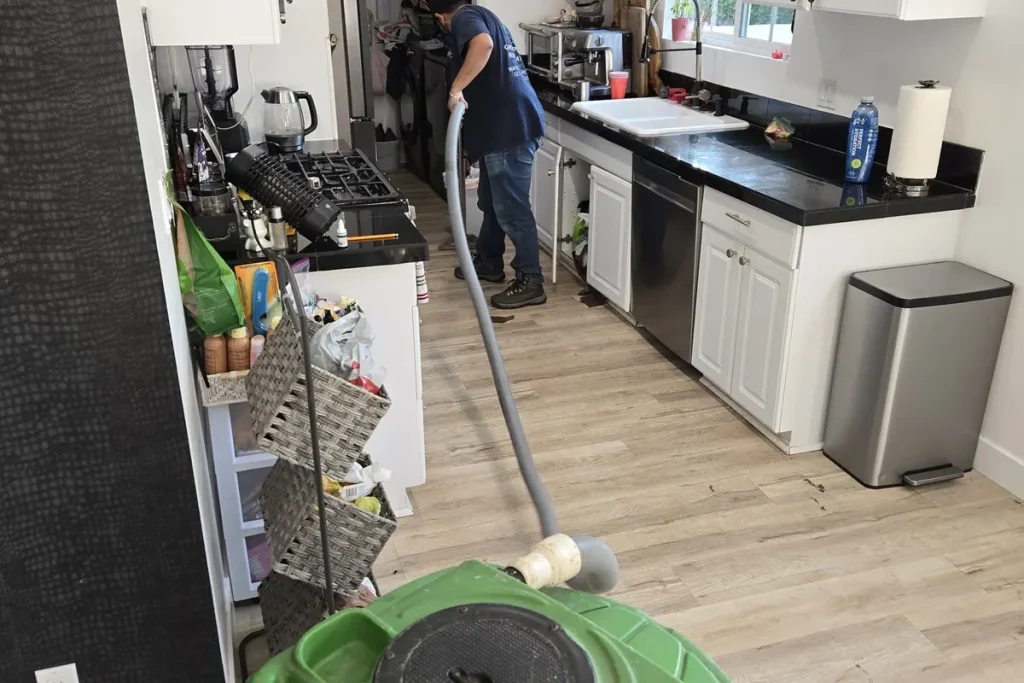
A true HEPA air scrubber typically uses a three-stage filtration system:
Stage 1: Pre-filter catches dust and larger particles. Stage 2: Activated carbon filter absorbs odors, smoke, and gases. Stage 3: The HEPA filter traps microscopic particles that pass through everything else.HEPA vs Regular Air Scrubbers
| Feature | Regular Air Scrubber | HEPA Air Scrubber |
| Particle size filtered | ~10 microns and up | 0.3 microns and smaller |
| Mold spore removal | Minimal | 99.97% effective |
| Smoke & soot removal | Partially effective | Highly effective |
| Odor control | Light with a basic carbon filter | Strong with carbon + HEPA |
| Filter system | 1–2 stage | 3-stage (Pre, Carbon, HEPA) |
| Compliance for mold/fire jobs | Often not acceptable | Meets industry standards for remediation |
| Common uses | Construction dust, debris | Mold, fire, sewage, and post-flood cleanup |
| Cost of filters | Low upfront, may clog quickly | Higher, but longer lifespan and better results |
Why It Matters for Seattle Contractors
Most mold removal standards, especially those that are based on IICRC guidelines, call for HEPA filtration on containment jobs. Insurance adjusters also ask if HEPA filtration was used, and indoor air quality tests may be required after certain types of work. Using regular scrubbers in those situations can create problems. You might pass visual inspection but fail post-cleaning clearance testing. That will cost a lot to fix up again, especially if people are already living in the house.Closing Remarks
Regular air scrubbers can remove the basics, but not microscopic threats. Damage restoration contractors in Seattle, WA, use HEPA air scrubbers to protect workers, satisfy clients, and meet industry standards. At Green Planet Restoration, we work with Seattle’s top contractors to support high-quality cleaning and restoration. Our HEPA Vacuuming team handles projects throughout Washington. We assist you with the right tools and trained technicians for handling mold removal after fire damage. Contact Green Planet Restoration immediately to learn more about our HEPA-grade services and equipment. We provide air quality support for mold, smoke, fire, and water damage restoration. ______________________Related Articles
Complete Guide to Crawl Space Maintenance and Cleanup 24 Hour Plumbing Emergency Guide How LGR Dehumidifiers Prevent Secondary Damage How Moisture Meters Prevent Mold Growth Leaking Ice Makers: Why They Happen and How to Prevent Them How To Handle Flood Damage in Southern California Should I File an Insurance Claim for Water Damage? 8 Common Causes of Household Water Leaks and Water Damage News: It’s Raining in Los Angeles! Protect Your Roof with Emergency Roof Tarping Help from Green Planet Restoration of LA!Property damage right now?
We find the damage, dry or clean the structure and repair it. On site in about 45 minutes, 24/7.

Written by the Green Planet Restoration team
Our articles are written and reviewed by the crews who handle water, fire and mold damage every day across Southern California, Seattle, Miami-Dade and Las Vegas. About us