
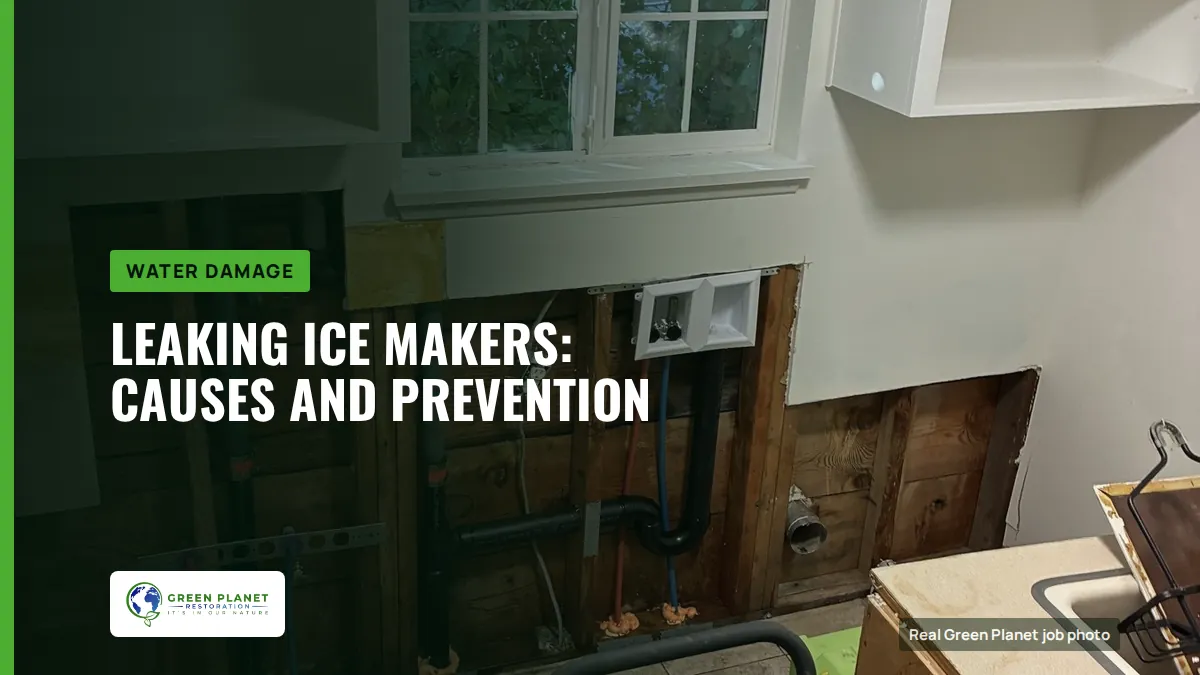
Do you have an ice maker in your home? If so, there is a good chance that it has leaked at some point. There are many reasons why this may happen, but the most common is due to a malfunctioning water valve. In this article, we will discuss the ways that leaking ice makers occur and how homeowners can prevent them from happening again.
Ice Maker: What is it?
An ice maker is a machine that makes and stores cubes of frozen water. These machines can be found in homes, restaurants, food storage facilities, hospitals, and many other locations. They are utilized to store large quantities of iced drinks without the need for constant refilling or melting from warm temperatures.
A typical home ice maker system includes:
- A water supply line
- A water inlet valve
- Fill tubing
- Ice mold trays
- Shutoff sensors
- Drain components
- Electrical controls
When one of these parts becomes clogged, cracked, frozen, or worn out, leaks can begin.
Causes of Leaking Ice Makers
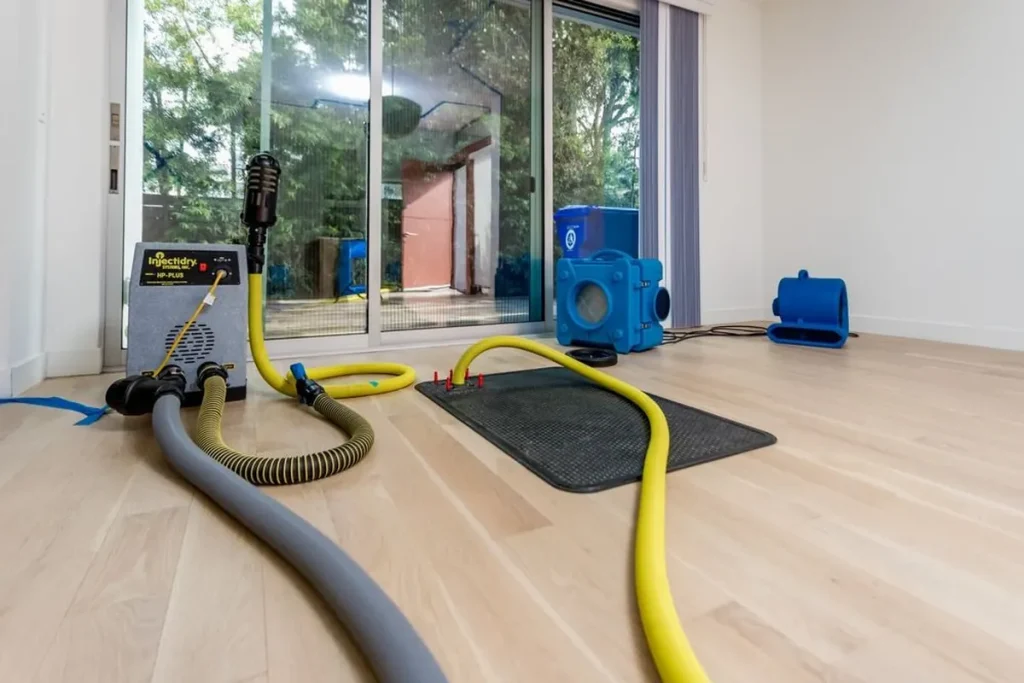
Ice makers are designed for convenience, but several issues can cause them to leak unexpectedly.
Faulty Water Inlet Valve
One of the most common causes is a malfunctioning water inlet valve. If this valve fails to shut off properly or becomes blocked by mineral buildup, excess water can continue flowing into the ice maker, causing overflow or leaks.
Loose or Damaged Water Supply Line in Leaking Ice Makers
The refrigerator water line can loosen over time, especially at compression fittings or hose couplers. Small drips may go unnoticed until moisture damages nearby cabinets or flooring.
Cracked Fill Tube
The fill tube that directs water into the ice tray can crack, freeze, or become clogged, causing water to spill into the freezer compartment.
Clogged Defrost Drain
In some refrigerators, a blocked defrost drain can cause excess water to pool and mimic an ice maker leak.
Worn Internal Components of Leaking Ice Makers
Older ice makers may develop leaks from worn seals, cracked plastic housing, or damaged filter housings.
Long Periods of Inactivity
If an ice maker sits unused for several days or weeks, mineral deposits, stagnant water, or frozen internal lines can create leakage problems when it starts running again.
What are the long-term effects of a Leaking Ice Maker?
If your ice maker is leaking water into the freezer compartment, and you don’t repair it soon enough, this can lead to mold growth. Mold spores are very small in size and float through the air before they enter a home. The only way to remove them once they have entered homes is by using an industrial-strength cleaner that contains bleach.
Another way that leaks can have long-term effects is if the ice maker is leaking inside your home. This will cause water damage to drywall, carpets, and other flooring materials like hardwood or tile.
The leaking ice makers may seem minor at first, but prolonged moisture exposure can create serious household problems.
Mold Growth
Moisture trapped behind cabinets, drywall, or flooring can create the perfect environment for mold growth. Once mold develops, professional drying and remediation may be necessary.
Cabinet and Flooring Damage
Leaks can warp wood cabinets, damage laminate flooring, stain tile grout, and weaken subfloor materials.
Drywall Moisture Damage
Water that seeps into walls can cause swelling, staining, paint bubbling, and structural deterioration over time.
Frozen or Burst Water Lines
In some cases, refrigerator supply tubing can freeze, crack, or burst, causing sudden water leakage.
In case of ice maker leakage, what should you do?
If your ice maker is leaking, you need to first determine whether it’s a leak in the water line or the unit itself. You can usually fix this problem by replacing either the anode rod or the water filter cartridge; if neither of these is available for purchase, then call a professional. If you know which part needs replacement and can get your hands on it, then you can replace it yourself.
To fix the leak in the water line, make sure to:
Step 1: Disconnect Power
Turn off and unplug the refrigerator before inspecting any components.
Step 2: Shut Off Water Supply
Locate the refrigerator’s shutoff valve (commonly under the sink or behind the appliance) and turn it off.
Step 3: Inspect Key Leak Points
Check:
- Water supply line connections
- Compression fittings
- Water filter housing
- Fill tube
- Drain pan
- Water inlet valve
- Ice tray overflow area
Step 4: Replace Faulty Components
Depending on the issue, repairs may involve replacing:
- Water supply tubing
- Compression washers
- Water filters
- Fill tubes
- Water inlet valves
- Damaged connectors
If the problem continues after basic troubleshooting, contact a refrigerator repair professional.
Did sewage or floodwater soak into your drywall? Learn Why You Must Replace Sewage-Damaged Drywall And How to Do It
Did the ice maker leak originate from an outside source?
If your leak is coming from outside the ice maker and around the cold water supply line connection, you may need to tighten it. To fix this issue:
-
Shut off the incoming cold water supply valve at its source (usually under a sink) by turning its knob to the left. Once this is done, you can remove and replace your ice maker’s water supply line connection.
-
Use the appropriate socket wrench to remove and reattach it securely with a stainless steel or copper washer that seals tightly inside the hose coupler, which will prevent leaks.
Take Action Against Leaking Ice Makers
Don’t ignore a leaking ice maker. Even a slow drip can lead to hidden water damage, mold issues, and expensive repairs if left untreated.
If a leaking appliance has damaged cabinets, drywall, flooring, or surrounding materials, prompt drying and restoration can help prevent long-term structural issues. Green Planet Restoration provides professional emergency water damage restoration services to help California homeowners protect their property and restore affected areas quickly.
__________________
Frequently Asked Questions
Why is my ice maker leaking water?
A leaking ice maker is often caused by a faulty water inlet valve, a loose water supply line, a cracked fill tube, a clogged defrost drain, or worn internal components. Identifying the source early can help prevent water damage to cabinets, flooring, and drywall.
Can a leaking ice maker cause mold?
Yes. Even a slow leak can create hidden moisture behind cabinets, inside walls, or beneath flooring. Over time, this damp environment can lead to mold growth, unpleasant odors, and indoor air quality concerns if not addressed quickly.
Is a leaking ice maker dangerous?
The leaking ice makers can become serious if water reaches electrical components, causes slippery floors, or creates hidden moisture damage in walls and cabinetry. Prompt repair helps reduce the risk of structural damage and mold problems.
How do I stop my ice maker from leaking?
Start by turning off the refrigerator’s water supply and unplugging the appliance. Then inspect the water line connection, inlet valve, fill tube, and filter housing for cracks, loose fittings, or mineral buildup. Replace damaged parts as needed or contact a professional if the leak continues.
Can a refrigerator water line leak behind the wall?
Yes. Some refrigerator water supply lines run through cabinetry or walls, and leaks may go unnoticed for long periods. Signs include damp drywall, soft flooring, musty odors, or unexplained water stains near the appliance.
We find the damage, dry or clean the structure and repair it. On site in about 45 minutes, 24/7.

Our articles are written and reviewed by the crews who handle water, fire and mold damage every day across Southern California, Seattle, Miami-Dade and Las Vegas. About us