
Cleaning up blood, sewage or other contaminated material is only half the job. What happens to that material afterward matters just as much. Biohazard waste disposal keeps infectious material from reaching trash trucks, landfills and water sources, and in California it’s governed by specific rules.
This guide explains what counts as biohazardous waste, how professionals package and remove it, and the mistakes property owners should avoid. Green Planet Restoration of LA handles disposal as part of every biohazard and trauma scene cleanup in Southern California.
What Is Biohazardous Waste?
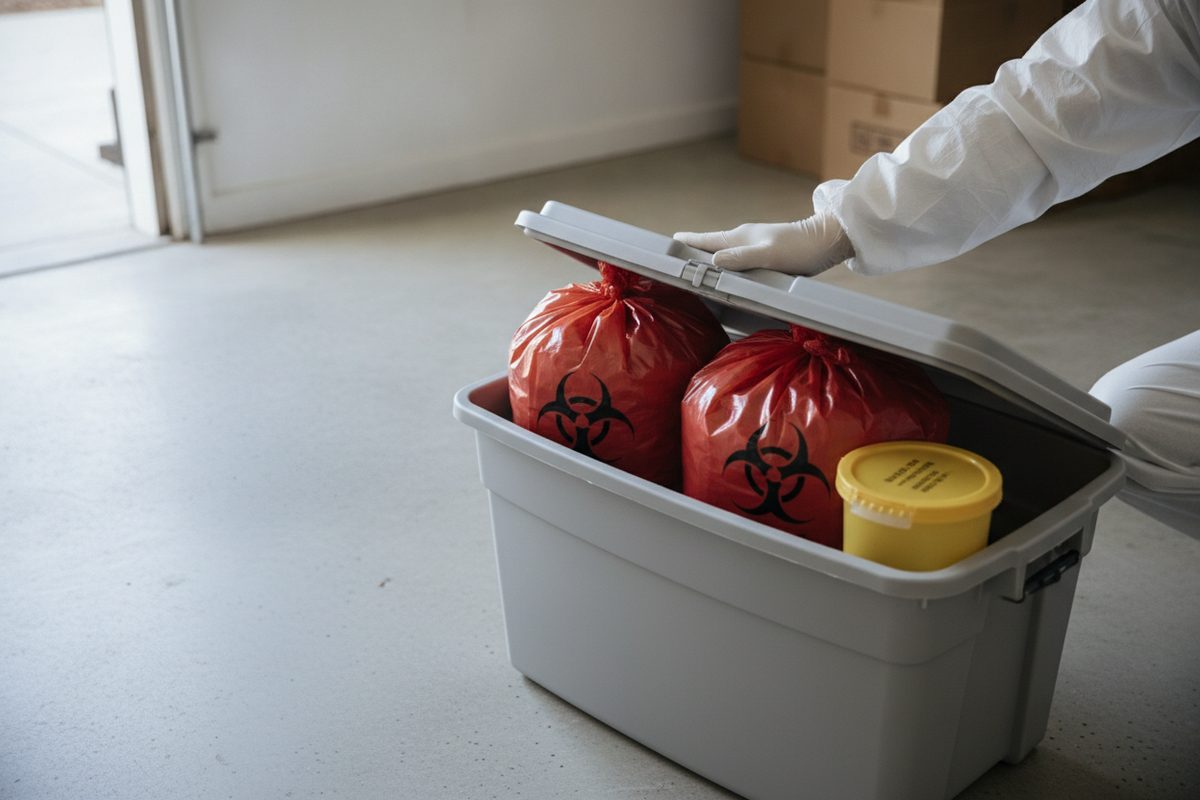
Biohazardous waste is any material that contains or may contain infectious agents, such as blood, bodily fluids, sewage or contaminated sharps. OSHA’s bloodborne pathogens standard defines regulated waste to include liquid or semi-liquid blood, items that would release blood if compressed, items caked with dried blood, and contaminated sharps.
After a trauma scene, a sewage backup or an unattended death, ordinary building materials can fall into this category. Carpet, pad, drywall, mattresses and upholstered furniture often absorb fluids and can’t be cleaned well enough to keep.
| Type of waste | Examples | How it’s packaged |
|---|---|---|
| Sharps | Needles, broken glass, razor blades | Closable, puncture-resistant, leakproof containers |
| Blood-soaked materials | Carpet, pad, bedding, rags, absorbent pads | Closable, leakproof bags or containers, labeled or red |
| Contaminated building materials | Drywall, subfloor, baseboards | Bagged and sealed, then boxed for transport |
| Used PPE | Gloves, suits, respirator cartridges | Bagged with other contaminated waste |
| Sewage-contaminated debris | Wet drywall, insulation, carpet | Bagged and removed under local disposal rules |
California Rules for Biohazard Waste Disposal
In California, medical waste is regulated under the Medical Waste Management Act. The CDPH Medical Waste Management Program oversees how this waste is generated, handled, stored, treated and disposed of, and it permits and inspects offsite treatment facilities.
Trauma scene work has its own rules. Companies that remove human blood, bodily fluids and related residue as a business must register with CDPH as trauma scene waste management practitioners. They must also show they have a contract with a registered transporter or a permitted medical waste facility that will receive the waste.
Infographic
How biohazard waste leaves a California property
- 1Separate itSharps go into closable, puncture-resistant, leakproof containers. Soaked materials stay apart from them.
- 2Seal and label itRegulated waste goes into closable, leakproof bags or containers marked with the biohazard label or colored red.
- 3Hand it to a registered transporterTrauma scene practitioners registered with CDPH must have a contract with a registered transporter or a permitted facility.
- 4Treat it at a permitted facilityCDPH permits and inspects offsite medical waste treatment facilities and transfer stations.
Step-by-Step Biohazard Waste Disposal Process
-
Assess the site. Technicians identify every contaminated material and plan how it will be packaged and removed.
-
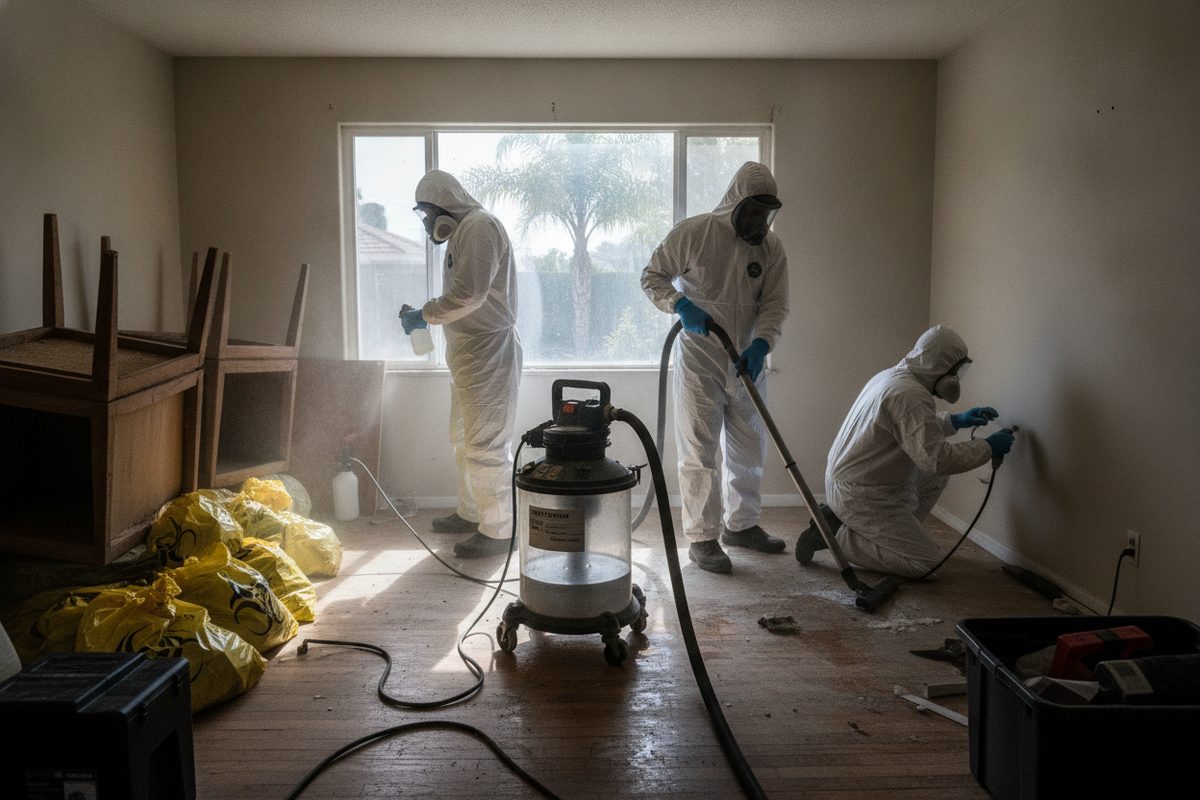
Separate the waste. Sharps go into puncture-resistant containers, and blood-soaked items go into leakproof, labeled bags.
-
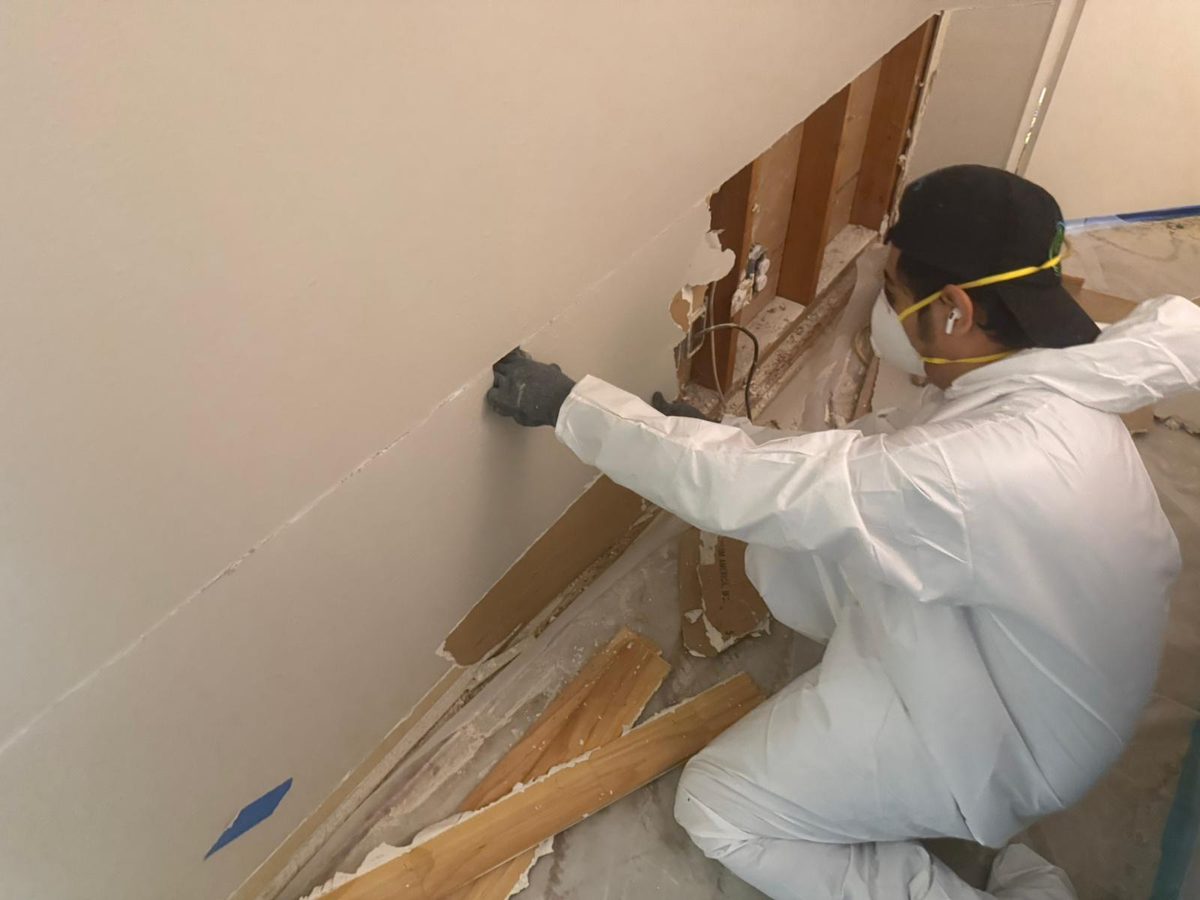
Remove it safely. Crews wear protective gear and keep containers closed so nothing leaks or spills.
-
Transport it properly. Waste goes to a permitted facility through a registered transporter, with paperwork for each load.
-
Clean and treat the area. Once waste is out, surfaces are cleaned and treated so the space can be used again.
Efraim Haim, CEO of Green Planet Restoration, advises property owners not to bag or move fluid-soaked items themselves. Compressing a soaked carpet pad or mattress can release blood, which is exactly the exposure OSHA’s bloodborne pathogens guidance is written to prevent.
Why Proper Disposal Matters
Contaminated materials thrown into regular trash can expose sanitation workers, neighbors and pets to infectious material. Leaking bags can also contaminate soil and water.
There’s a legal side, too. Mishandled waste can lead to fines and liability, especially for landlords and businesses. Proper disposal paperwork also supports insurance claims and shows the job was done correctly. GPR’s team, led by Efraim Haim, recommends asking for those records in writing and keeping them with your claim file.
Common Mistakes Property Owners Make
-
Trying to clean up blood or fluids alone without protective gear.
-
Putting contaminated items in household trash or a dumpster.
-
Keeping bagged waste on site for days instead of having it removed.
-
Hiring a general cleaning company that isn’t set up to handle trauma scene waste.
-
Not asking for disposal documentation at the end of the job.
Cross-contamination is another risk during removal. Our guide to biohazard cross-contamination prevention explains how crews keep clean areas clean while waste is carried out.
Questions to Ask a Cleanup Company About Disposal
Before work starts, ask how the company will handle the waste it removes. A clear answer is a good sign that the job will be done properly.
-
Are you registered with CDPH as a trauma scene waste management practitioner?
-
Which transporter or facility receives the waste?
-
How will sharps and fluid-soaked materials be packaged?
-
How long will bagged waste stay on the property?
-
Will I get disposal records for my insurer and my own files?
How to Stay Safe Until Help Arrives
-
Keep children, pets and other people out of the area.
-
Don’t touch, move or bag contaminated items yourself.
-
Close doors and turn off fans that could spread odors or particles.
-
Take photos for your insurer if you can do so without entering the area.
-
Call a biohazard cleanup company as soon as possible.
For more prevention steps at home or work, read about mitigating biohazard contamination risks and the common sources and risks of household biohazards. Sewage jobs bring their own hazards, covered in sewage backup cleanup safety.
We serve homes and businesses from Los Angeles to San Diego, plus our Washington and Florida branches.
Need contaminated materials removed safely? Call Green Planet Restoration of LA now. Our biohazard team responds within 45 minutes.
Biohazard Waste Disposal in Culver City Homes and Businesses
Culver City’s mix of older houses, condos and restaurants shapes how contaminated waste builds up. In Culver Crest, Carlton Square and Blair Hills, many homes still run galvanized or cast iron lines, and a slow drain failure can push sewage into carpet, pad and lower drywall. Those materials leave as contaminated waste, not household trash.
In condo buildings, water from one unit can reach the units below, so each unit’s debris is bagged, documented and removed on its own. Green Planet Restoration of LA handles that work as part of water damage restoration in Culver City, from extraction through disposal records for your insurer. Reach our Westside team at (213) 410-4997.
Frequently Asked Questions
How do you dispose of biohazard waste?
Biohazard waste is separated by type, sealed in closable, leakproof containers that are labeled or color-coded, and removed by trained technicians wearing protective gear. Sharps go into puncture-resistant containers. In California, the waste is then transported to a permitted facility for treatment and disposal, with paperwork that tracks each load.
Can I put biohazard waste in the regular trash?
No. Blood-soaked items, contaminated sharps and similar materials shouldn’t go in household trash or dumpsters, because they can expose sanitation workers and others to infectious material. Leave the area undisturbed and call a biohazard cleanup company, which will package the waste correctly and send it to a facility that can treat it.
Who regulates biohazard waste disposal in California?
The California Department of Public Health oversees medical waste through its Medical Waste Management Program under the Medical Waste Management Act. Companies that clean up blood and bodily fluids from trauma scenes as a business must register with CDPH as trauma scene waste management practitioners and use a registered transporter or permitted facility.
What color are biohazard waste bags?
Biohazard bags are usually red. Under OSHA’s bloodborne pathogens standard, regulated waste containers must be closable, leakproof, and labeled with the biohazard symbol or color-coded, and red bags or containers may be used in place of labels. Sharps go into separate puncture-resistant containers rather than bags.
References
- California Department of Public Health. (n.d.-a). Medical Waste Management Program. https://www.cdph.ca.gov/Programs/CEH/DRSEM/Pages/EMB/MedicalWaste/MedicalWaste.aspx
- California Department of Public Health. (n.d.-b). Trauma scene waste management practitioners. https://www.cdph.ca.gov/Programs/CEH/DRSEM/Pages/EMB/MedicalWaste/Trauma-Scene.aspx
- Occupational Safety and Health Administration. (n.d.-a). Bloodborne pathogens and needlestick prevention. U.S. Department of Labor. https://www.osha.gov/bloodborne-pathogens
- Occupational Safety and Health Administration. (n.d.-b). 1910.1030: Bloodborne pathogens. U.S. Department of Labor. https://www.osha.gov/laws-regs/regulations/standardnumber/1910/1910.1030
Featured image: AI-generated illustration.
We find the damage, dry or clean the structure and repair it. On site in about 45 minutes, 24/7.

Our articles are written and reviewed by the crews who handle water, fire and mold damage every day across Southern California, Seattle, Miami-Dade and Las Vegas. About us