
Before you hire a restoration company, ask five things: is the company licensed and insured, are its technicians trained to the IICRC water damage standard, how fast can a crew get there, how will it prove the house is dry, and how does billing and insurance work. The answers take about ten minutes on the phone, and they’ll tell you more than any website or ad.
Most people make this call at a bad moment. Water is on the floor, the ceiling is sagging, and the first company that answers gets the job. That’s understandable, but a short list of questions protects you from the two outcomes that cost homeowners the most: a crew that leaves the walls wet, and a contract you can’t get out of. Our guide to choosing a restoration company covers the wider topic. This article is the checklist you can run while you’re still standing in the wet hallway.
Efraim Haim, CEO of Green Planet Restoration, tells homeowners to make one call before they start shopping around: shut off the water, then get a mitigation crew on site. Comparing bids makes sense for the rebuild. It doesn’t make sense while drywall is soaking up water by the hour.
Questions about license, insurance and training
Are you licensed, and can I see the number?
A real company gives you its license number without hesitation. In California, you can look it up yourself on the Contractors State License Board site, and the board’s consumer guide explains what a valid home improvement contract has to include (Contractors State License Board, n.d.-a). Other states have their own licensing boards with similar lookups. The Consumer Financial Protection Bureau puts it bluntly: if a contractor isn’t listed, they’re not a good option (CFPB, 2024).
Do you carry liability insurance and workers’ compensation?
Ask for both, and ask for the certificate in writing. Liability coverage protects your home if the crew damages something. Workers’ comp protects you if someone gets hurt on your property. CFPB lists both as questions to ask before anyone starts work.
Are your technicians trained to the IICRC S500 standard?
The ANSI/IICRC S500 is the industry’s standard for professional water damage restoration. It sets out the procedures and precautions for drying homes, businesses and public buildings, and the current edition was published in 2021 (IICRC, 2021). A company that works to it should be able to explain, in plain English, how it classifies your loss and how it decides what to dry and what to tear out.
Questions about response time and drying
How soon can a crew be at my house?
Timing matters more than most homeowners realize. The EPA says water-damaged areas and items should be dried within 24 to 48 hours to prevent mold growth (U.S. Environmental Protection Agency, 2026). A company that can’t come until Thursday is using up that window. Ask for a realistic arrival time, not a slogan. Ours is about 45 minutes in the areas our branches cover.
How will you find water I can’t see?
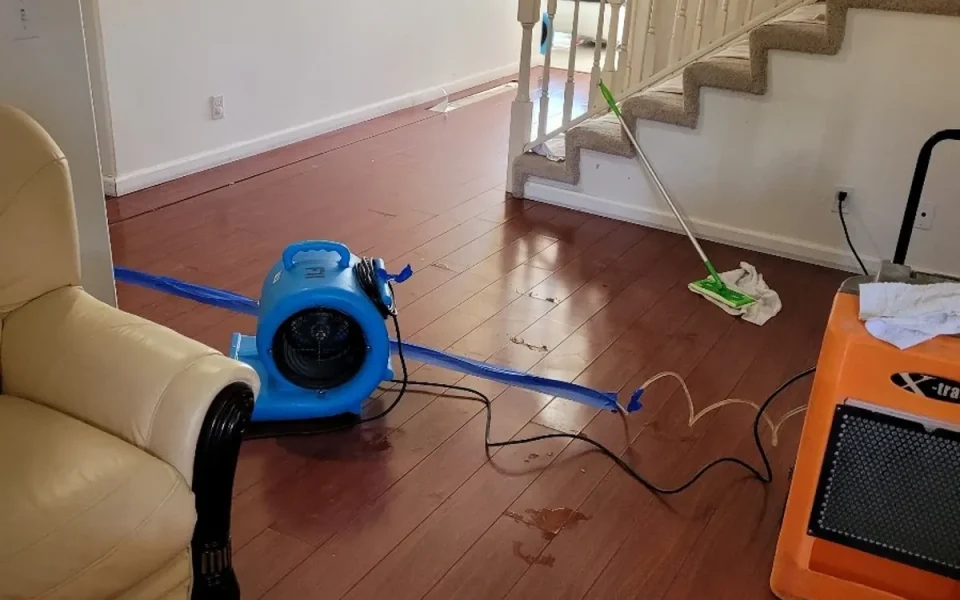
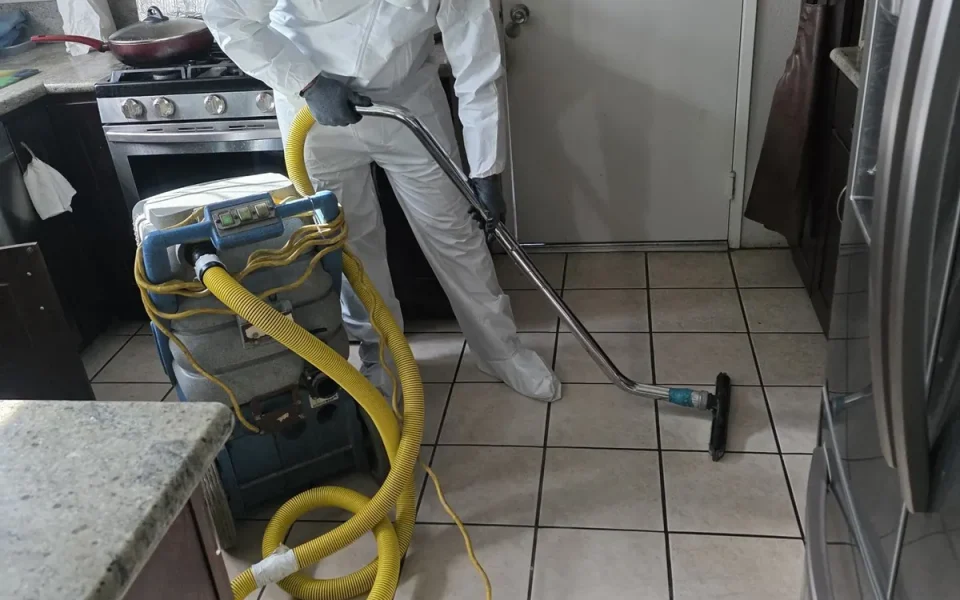
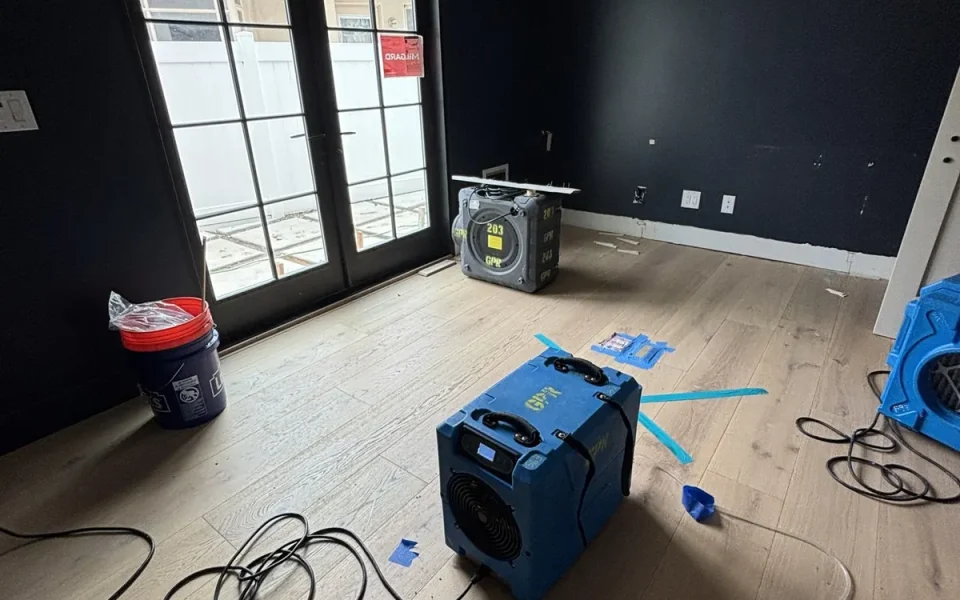
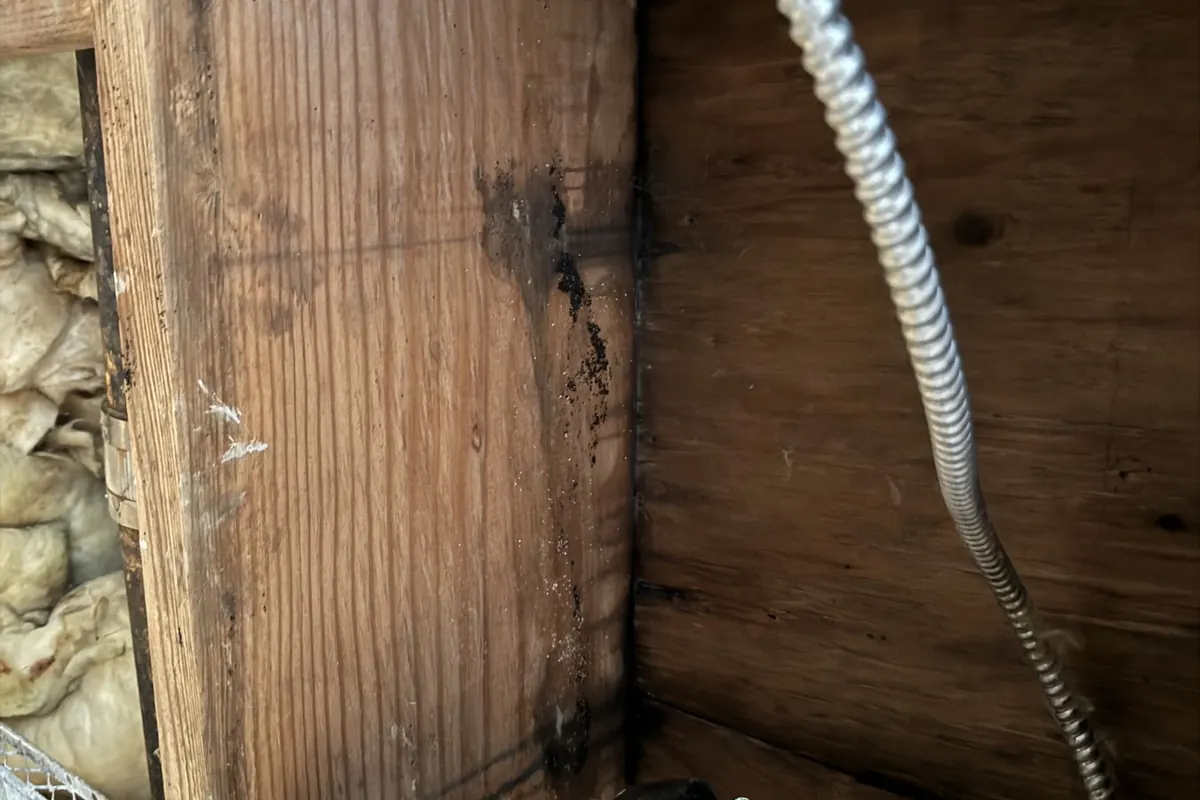
Water travels under flooring, behind baseboards and up into wall cavities. A good crew checks with moisture meters and thermal imaging, then maps the wet areas before it sets a single fan. If the answer is “we’ll put some fans down and come back,” keep calling.
How will you prove the house is dry?
This is the question that separates pros from fan rentals. Ask whether the crew takes daily moisture readings and whether you’ll get a copy. Drying ends when the materials reach a target reading, not when a set number of days has passed. GPR’s team, led by CEO Efraim Haim, recommends asking for a written drying log so you and your insurance adjuster can see the numbers instead of taking anyone’s word for it.
Infographic
6 questions to ask before you sign with a restoration company
- 1What’s your license number?Look it up on your state licensing board before work starts.
- 2Are you insured?Ask for liability and workers’ comp certificates in writing.
- 3How soon can you start drying?EPA says dry wet areas within 24 to 48 hours to prevent mold.
- 4Will I get moisture logs?Daily readings show when the job is really dry.
- 5What’s the down payment?In California, no more than $1,000 or 10% of the price, whichever is less.
- 6Do you bill my insurer?Get an itemized estimate, photos and readings for the claim.
Questions about the contract and payment
Can I see a written, itemized estimate?
Get the scope in writing before work goes past emergency mitigation. CFPB suggests collecting written estimates from two or three contractors for repair and rebuild work, and getting signed contracts, guarantees and warranties before anything begins (CFPB, 2024). The estimate should list what’s being removed, what’s being dried, and what equipment is going in.
How much do you need up front?
In California, a contractor can’t ask for or accept a down payment of more than $1,000 or 10% of the contract price, whichever is less. Progress payments also can’t run ahead of the work that’s actually been done (Contractors State License Board, n.d.-a). The board’s disaster guidance repeats the same rule: never sign a contract or change order that asks for a progress payment larger than the value of completed work (Contractors State License Board, n.d.-b). If someone wants half the job in cash before the trucks show up, that’s your answer.
What are my cancellation rights?
California home improvement contracts generally give you three business days to cancel, or five if you’re 65 or older. There’s an exception for emergency repair work you ask for on short notice, which is exactly the situation most water losses fall into. So read what you’re signing at 2 AM, and ask the company to separate the emergency mitigation work from any rebuild contract (Contractors State License Board, n.d.-a).
Questions about insurance and documentation
Will you work with my insurance company?
Ask whether the company bills your insurer directly and what you’ll owe out of pocket, such as your deductible. You still own the claim, so you want copies of everything. At Green Planet Restoration, our insurance billing team sends the adjuster the photos, moisture readings and itemized scope so you aren’t stuck translating between two sides. We can’t promise what a policy will cover. Nobody honest can.
What will you document?
Before-and-after photos, room-by-room moisture maps, a list of removed materials and a daily drying log. CFPB also suggests checking with your insurer and mortgage servicer on how claim payments will be released, since some checks are made out to both you and the lender (CFPB, 2024). Knowing that early keeps the job from stalling halfway.
Who pulls the permits for the rebuild?
If walls, cabinets or flooring need to be replaced, ask who handles permits. CFPB lists this as a question to settle before work starts. A company that does both mitigation and reconstruction should be able to tell you how it handles inspections, too.
Hiring a restoration company in Pasadena
Pasadena and the neighborhoods around it, from Altadena and South Pasadena to San Marino and Sierra Madre, have a lot of older homes with raised foundations, original plumbing and plaster walls. Those houses hide water well: it runs under floor framing and into crawl spaces where nobody looks. Winter storms off the San Gabriels can also push runoff toward foundations in the hillside streets. When you call for water damage restoration in Pasadena, ask how the crew checks under the house and inside plaster walls, and whether it follows lead-safe and asbestos-safe practices before cutting into older materials. Our Pasadena team answers at (626) 723-3981.
Red flags that should end the call
- No license number, or a number that doesn’t come up on the state board’s lookup.
- A crew that knocks on your door after a storm without being called. CFPB specifically warns against picking someone going door to door (CFPB, 2024).
- Pressure to sign today for the full rebuild, not only the emergency work.
- A large cash deposit before any work starts.
- No moisture readings, no photos and no written scope.
- Vague answers about who will actually be in your home.
Any one of these is a reason to hang up and call the next name on your list.
Common questions
Should I get several estimates before anyone starts drying?
Not for the emergency part. Every hour wet drywall and subfloor sit, the mold risk grows. Get a qualified crew drying first, then collect two or three written estimates for the rebuild, as CFPB recommends.
Is a big deposit normal for water damage work?
Not in California. The CSLB caps the down payment at $1,000 or 10% of the contract price, whichever is less, and payments can’t run ahead of finished work.
Can a restoration company deal with my insurance adjuster?
Many can. Ask whether the company bills your insurer directly and what records it will share. You stay in charge of the claim, so keep copies of the estimate, photos and moisture logs.
Related reading
- Choosing a Restoration Company: the full guide
- 10 Tips for Choosing the Right Disaster Restoration Company
- What Questions Should You Ask Before Hiring a Mold Removal Company?
Want to know who’d show up at your door? Read about our team, licensing and certifications, or see how our water and flood damage restoration works from the first call to the final moisture reading.
References
- Consumer Financial Protection Bureau. (2024, June 27). How can I find and work with contractors to rebuild after a disaster? Consumer Financial Protection Bureau. https://www.consumerfinance.gov/ask-cfpb/how-can-i-find-and-work-with-contractors-to-rebuild-after-a-disaster-en-1517/
- Contractors State License Board. (n.d.-a). A consumer guide to home improvement contracts. California Department of Consumer Affairs. https://www.cslb.ca.gov/resources/GuidesAndPublications/HomeImprovementContractsConsumerGuide.pdf
- Contractors State License Board. (n.d.-b). Rebuilding after the 2025 LA wildfires: Important contract and payment rules. California Department of Consumer Affairs. https://www.cslb.ca.gov/Resources/MediaRoom/DisasterHelp/ContractPaymentRules.English.pdf
- Institute of Inspection, Cleaning and Restoration Certification. (2021). ANSI/IICRC S500 standard for professional water damage restoration (5th ed.). IICRC. https://iicrc.org/s500/
- U.S. Environmental Protection Agency. (2026, February 18). A brief guide to mold, moisture and your home. U.S. EPA. https://www.epa.gov/mold/brief-guide-mold-moisture-and-your-home
Featured image: Green Planet Restoration photo.
We find the damage, dry or clean the structure and repair it. On site in about 45 minutes, 24/7.

Our articles are written and reviewed by the crews who handle water, fire and mold damage every day across Southern California, Seattle, Miami-Dade and Las Vegas. About us