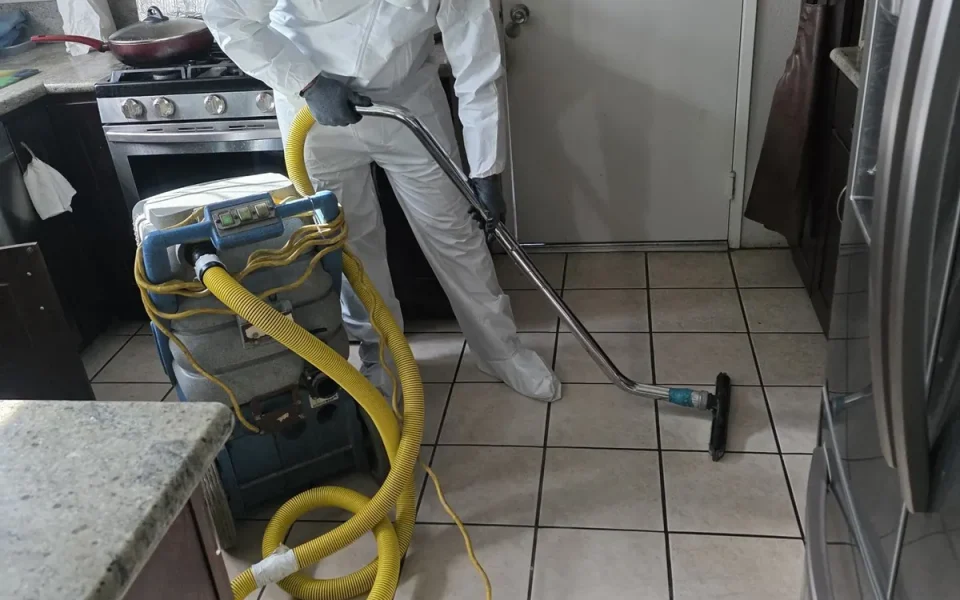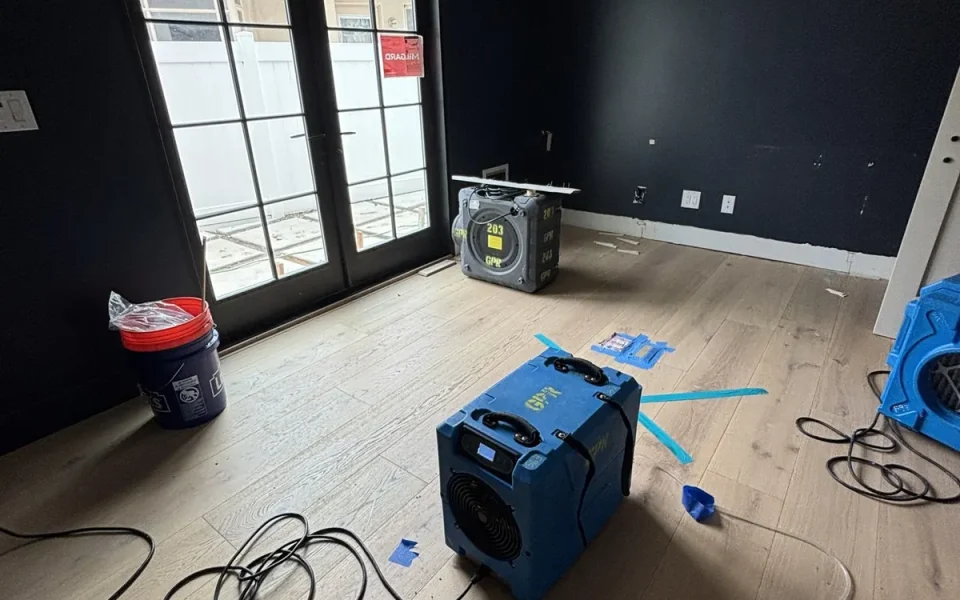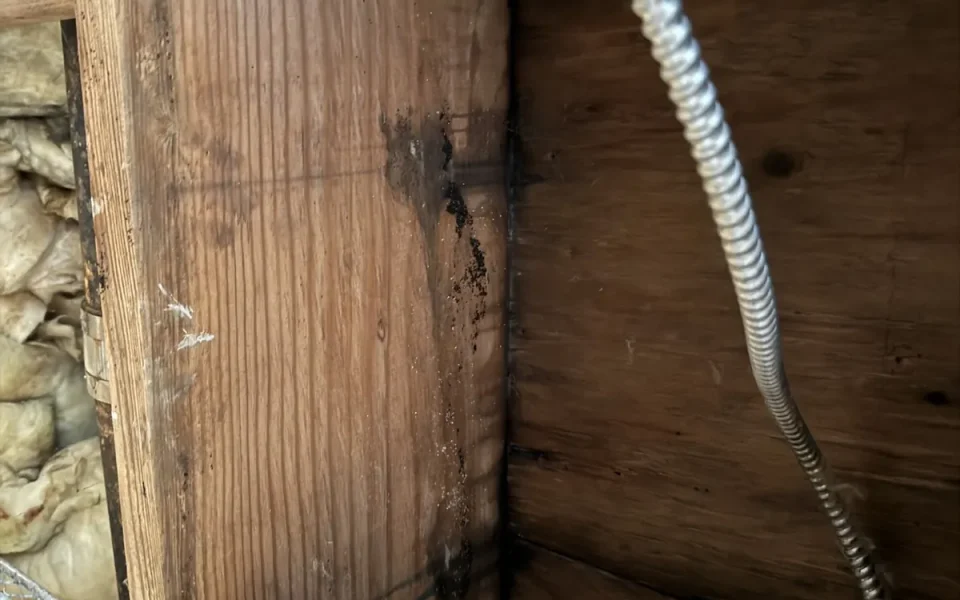

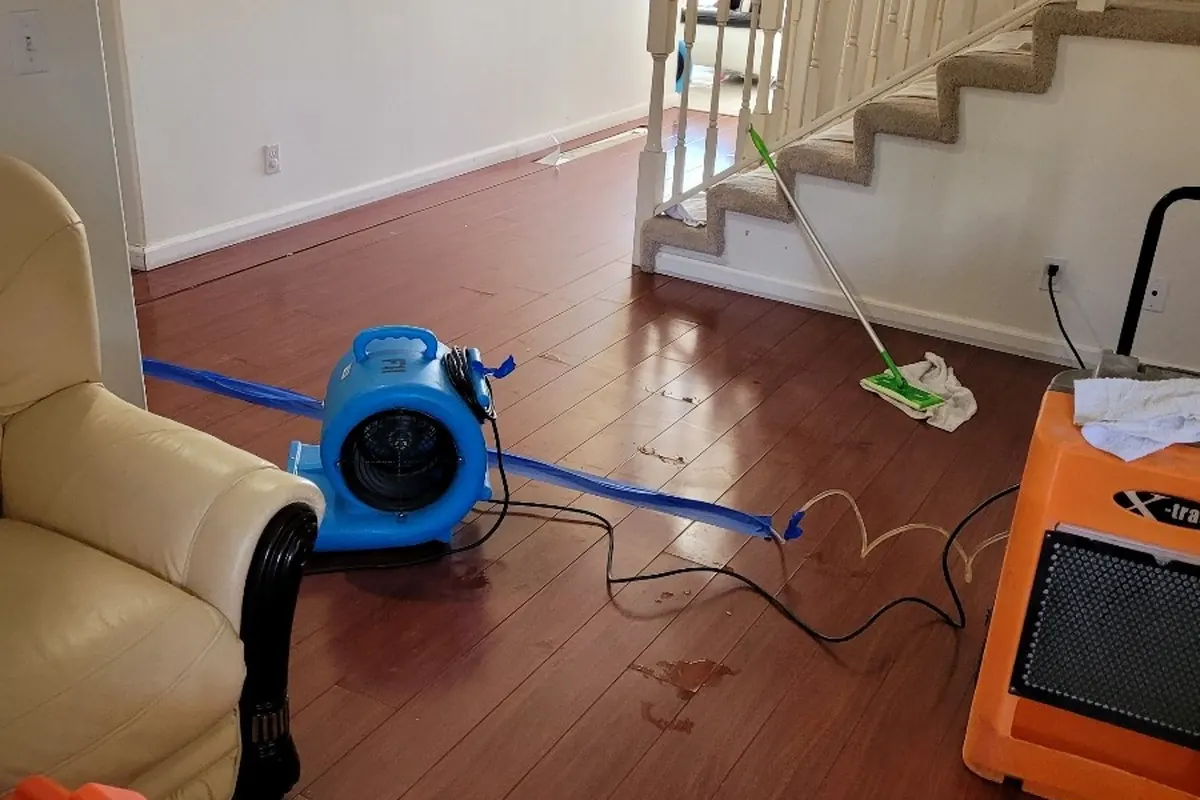
The cost of water damage cleanup comes down to five things: how dirty the water is, how much of the house got wet, how long it sat, what materials soaked it up, and how hard it is to reach. Two leaks that look the same on day one can end in very different bills because of those factors, not because of the company doing the work.
This guide walks through each factor so you can read an estimate with confidence and spot the choices that keep the job smaller. For the full set of cost topics, see our guide to water damage cost, pricing and estimates.
Water damage is one of the most common reasons homeowners file a claim. The Insurance Information Institute reports that water damage and freezing claims averaged $15,400 each from 2019 to 2023, and about one in 60 insured homes has a claim of this kind in a given year (Insurance Information Institute, n.d.). Most of the spread between a small claim and a large one is explained by the factors below.
1. What kind of water it is
Restorers sort water by contamination level using the ANSI/IICRC S500 standard, the reference most insurers and adjusters expect crews to follow (IICRC, 2021). The category of water decides what can be dried in place and what has to be thrown out.
- Category 1 (clean water): a broken supply line, an overflowing sink fed by clean water, a leaking water heater. Carpet, pad and drywall can often be dried and kept if the crew gets there fast.
- Category 2 (gray water): washing machine or dishwasher discharge, a toilet overflow with urine but no feces. Some porous materials, like carpet pad, usually come out.
- Category 3 (black water): sewage, river or surface flooding, any water that has sat long enough to grow bacteria. Porous materials it touched are removed, crews wear more protection, and the job adds cleaning and antimicrobial steps.
The category can also get worse over time. Clean water from a burst pipe picks up contaminants from floors, wall cavities and dust, so a Category 1 loss left for a few days may be treated as Category 2 or 3. That single shift often does more to raise a bill than the size of the leak. Our post on the four classes of water damage covers how crews size up the drying side of the job.
2. How much got wet, and how deep
Square footage matters, but the depth of saturation matters just as much. A wet carpet in one bedroom is a different job from water that wicked up drywall, soaked insulation and ran under the baseboards into the next room.
Estimators look at three things here:
- Affected area. How many rooms and how many square feet of floor, wall and ceiling are wet. Moisture meters and thermal imaging show wet areas you can’t see, which is why the inspection often finds more than the visible stain.
- Height on the walls. Water climbing a few inches up drywall may mean cutting a strip at the bottom. Water higher up, or inside insulated exterior walls, means more demolition and more drying equipment.
- Levels involved. A second-floor leak usually wets the ceiling and walls below. Two floors of damage roughly means two jobs.
FEMA’s flood insurance program puts the scale in plain terms: just one inch of water in an average-size home can cause roughly $25,000 of damage (FEMA, 2023). That figure is for flooding across a home, not a single leak, but it shows how fast shallow water adds up once it spreads.
Infographic
Six factors that move a water damage cleanup bill
- 1Water categoryClean, gray or black water decides what can be saved.
- 2Area and depthRooms, wall height and floors affected set equipment and labor.
- 3Time wetEPA advises drying within 24 to 48 hours to prevent mold.
- 4MaterialsHardwood, plaster and insulation dry slower or need replacing.
- 5AccessCrawl spaces, cabinets and slab leaks add labor.
- 6Rebuild and contentsDrywall, flooring and pack-out are often billed after drying.
3. How long the water sat
Time is the factor you control most. The EPA says water-damaged areas and items should be dried within 24 to 48 hours to prevent mold growth (U.S. Environmental Protection Agency [EPA], 2026). Inside that window, a crew is mostly extracting water and setting drying equipment. After it, the job can turn into mold remediation, with containment, HEPA air filtration and removal of materials that could have been saved.
The EPA also notes that porous materials such as ceiling tiles and carpet may have to be thrown away once they become moldy (EPA, 2026). Replacing materials costs more than drying them, so a slow start shows up twice: once in demolition and again in the rebuild.
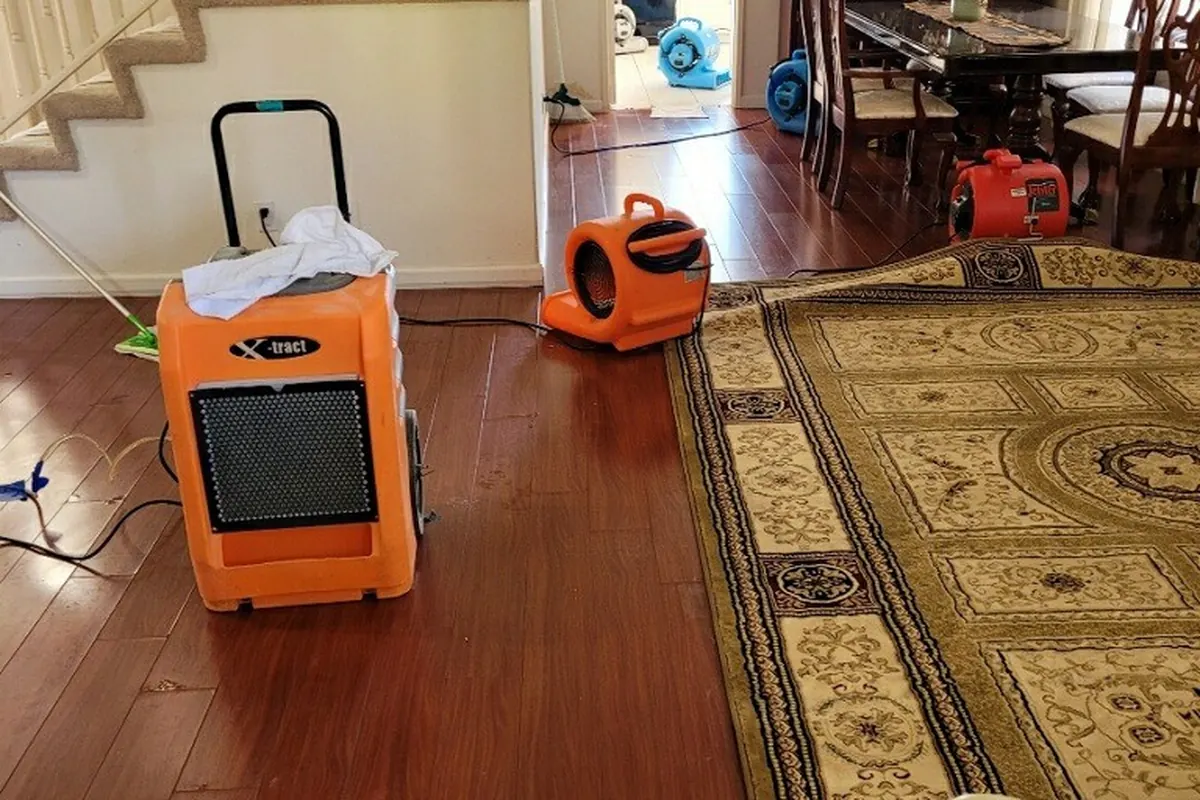
GPR’s team, led by Efraim Haim, CEO of Green Planet Restoration, tells homeowners to shut off the water, take photos and call the same day, even for a leak that looks small. A crew on site in about 45 minutes can often keep the job in the drying stage instead of the replacement stage.
4. Materials, access and what has to come out
What got wet changes the price as much as how much got wet. Some materials dry well with air movers and dehumidifiers. Others hold water deep inside and need specialty drying or replacement.
Materials that raise the cost
- Hardwood floors: they cup as they absorb water and need slow, controlled drying, sometimes with drying mats.
- Plaster and lath: common in older homes, dense and slow to dry.
- Insulation: wet batts inside walls usually come out so the cavity can dry.
- Cabinets and built-ins: toe kicks may need to be pulled to dry the floor underneath.
Access problems
Leaks under slab floors, inside crawl spaces, behind showers or above finished ceilings take more time to find and reach. Crews may open small inspection holes or cut drywall to get airflow into a cavity. That labor shows up on the estimate even when the wet area is small.
Contents add another layer. Furniture that needs to be moved, blocked up or packed out to a storage facility is usually a separate line item, and so is cleaning items that got wet.
5. Insurance, deductibles and the rebuild
Your policy doesn’t change what the work costs, but it changes what you pay. The California Department of Insurance lists sudden and accidental water damage as typically covered by a homeowners policy, while flood, seepage or leaks and mold are generally not (California Department of Insurance, 2026). A burst supply line and a slow leak behind a toilet can look alike on the floor and land very differently on a claim.
Documentation helps either way. FEMA’s first steps after damage are to take photos of your home and belongings and make a list of what was damaged or lost (FEMA, 2020). GPR’s team, under Efraim Haim, records moisture readings and photos every day of drying so the adjuster can see why each piece of equipment was there. Our insurance billing team can send that file and bill your carrier directly.
Many estimates split into two phases: mitigation (extraction, drying, demolition) and reconstruction (new drywall, paint, flooring, trim). Ask which phase each line belongs to. It makes comparing estimates much easier.
What drives water damage costs in Oak Park homes
In Oak Park and the rest of the Conejo Valley, two patterns show up again and again. Many subdivisions off Lindero Canyon Road were built in the 1970s and 80s, and their copper lines are now old enough for pinhole leaks that run inside walls for weeks before anyone sees a stain. Those slow leaks often mean more demolition and a harder insurance conversation. Winter storms add the other pattern: runoff from hillside lots pushes water toward slabs and lower walls. If you’re dealing with either, our crew for water damage restoration in Oak Park can inspect with thermal imaging and give you a written estimate. Call (747) 667-3804, day or night.
Common questions
Why did my estimate go up after the crew opened the wall?
Moisture meters show where water is, but not always what it did. Once drywall comes off, the crew may find wet insulation, mold or rotted framing that adds removal and drying time. A good estimator will explain each change and photograph it for your insurer.
Is it cheaper to dry it out myself?
For a small spill on a hard floor, often yes. Once water gets under flooring, into walls or sits more than a day, rental fans rarely dry the hidden layers, and mold can start inside the 24 to 48 hour window the EPA describes. That can cost more later than a professional dry-out now.
Does a bigger area always cost more?
Usually, but not always. A small sewage backup can cost more than a larger clean water leak, because Category 3 water means removing porous materials and extra cleaning. The category and the materials can matter more than the square footage.
Related reading
- Water Damage Restoration Costs: Why Is Water Damage So Expensive?
- Water Damage Cost, Pricing and Estimates guide
When you’re ready for a firm number, our water and flood damage restoration team will inspect the damage, explain every line on the estimate and start drying the same day.
References
- California Department of Insurance. (2026). Residential insurance: Homeowners and renters. https://www.insurance.ca.gov/01-consumers/105-type/95-guides/03-res/res-ins-guide.cfm
- Federal Emergency Management Agency. (2020, September 1). Individuals and households program. FEMA. https://www.fema.gov/assistance/individual/program
- Federal Emergency Management Agency. (2023, December). Understanding the fundamentals: The real cost of flooding. FloodSmart. https://agents.floodsmart.gov/articles/understanding-fundamentals-real-cost-flooding
- Insurance Information Institute. (n.d.). Facts + statistics: Homeowners and renters insurance. Triple-I. https://www.iii.org/fact-statistic/facts-statistics-homeowners-and-renters-insurance
- Institute of Inspection, Cleaning and Restoration Certification. (2021). ANSI/IICRC S500 standard for professional water damage restoration (5th ed.). IICRC. https://iicrc.org/s500/
- U.S. Environmental Protection Agency. (2026, February 18). A brief guide to mold, moisture and your home. EPA. https://www.epa.gov/mold/brief-guide-mold-moisture-and-your-home
Featured image: Green Planet Restoration photo.
We find the damage, dry or clean the structure and repair it. On site in about 45 minutes, 24/7.

Our articles are written and reviewed by the crews who handle water, fire and mold damage every day across Southern California, Seattle, Miami-Dade and Las Vegas. About us