

Pin vs Pinless Moisture Meters
A moisture meter helps confirm what the eye can’t see. Hidden moisture has been sitting there for weeks. It shows whether the drywall, framing, or flooring is holding excess moisture that could lead to warping, odors, or mold growth without drilling holes. If you are in the process of repairing a leak, installing flooring, or checking a damp basement wall, the correct type of moisture meter can save a lot of guesswork.Pin Moisture Meter
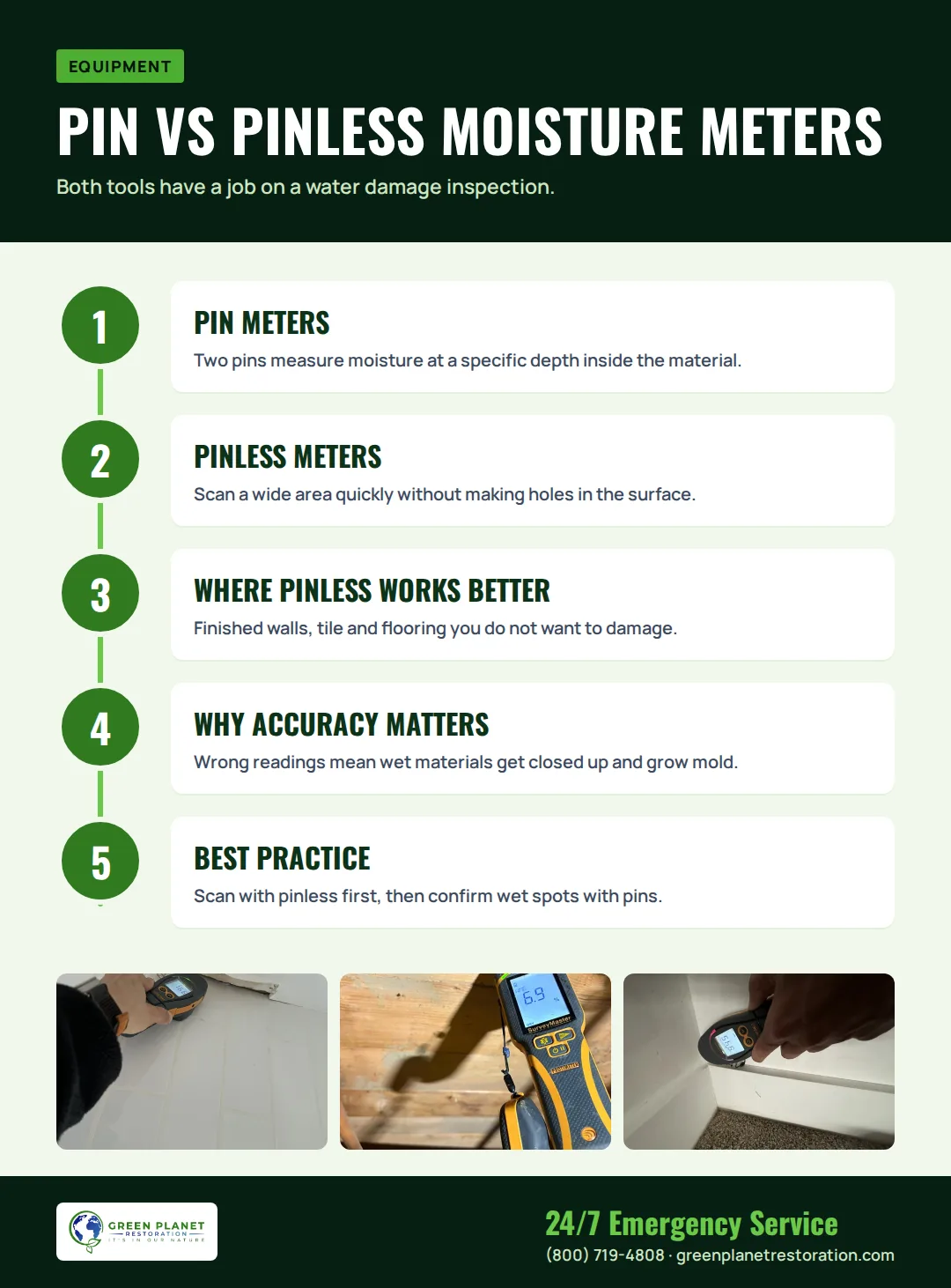
Pinless Moisture Meters
Where Pinless Meters Perform Better
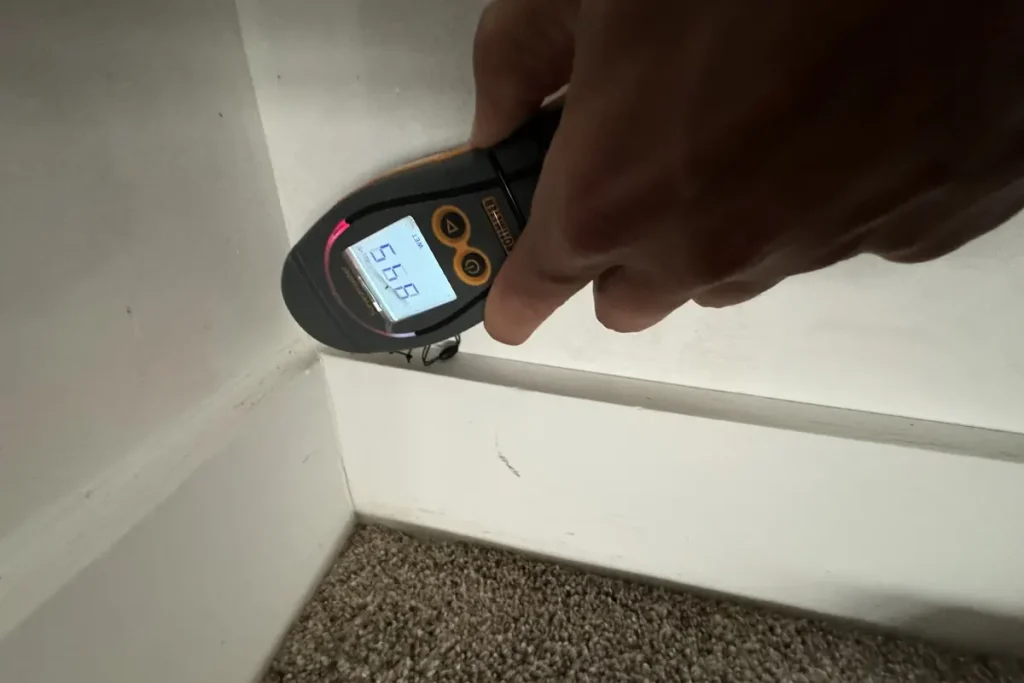
Not all moisture meters work the same way, though. Accuracy depends on how the meter reads moisture and what surface type you are testing it on. For wall inspections, pinless meters are usually the better option. They are faster, easier to use, and more practical when you are trying to locate leaks behind drywall or under flooring. Many restoration professionals rely on pinless meters as their first step, then switch to pin meters only when deeper confirmation is needed.Why Moisture Reading Accuracy Actually Matters
Moisture readings don’t need to be wildly off to cause problems. A small difference in readings can determine whether a wall is considered dry or still at risk. In drywall, even a few points on the meter can indicate trapped moisture that may lead to mold if left untreated. In flooring, inaccurate readings can lead to installation problems that show up months later as warping or buckling. For more accurate readings, higher-end moisture meters are also available to provide consistent readings when used on the same surface. However, for homeowners, a basic meter may be enough to spot obvious moisture. For inspections and restoration work, consistency is very important.Moisture Levels to Keep in Mind
Different materials hold moisture differently, so readings need context. Interior wood used for flooring or framing usually sits around 6 to 8 percent moisture. Outdoor wood usually holds more moisture because it’s exposed to rain and humidity. Drywall inside the house generally stays much drier. If a reading on drywall starts climbing above normal, it is basically a sign of a leak or water getting in from somewhere nearby. A good moisture meter for walls should be able to pick up even small changes, not just when things are obviously wet.So, what’s the most accurate moisture meter for walls?
Stop Hidden Moisture Early With Expert Water Damage Restoration Los Angeles
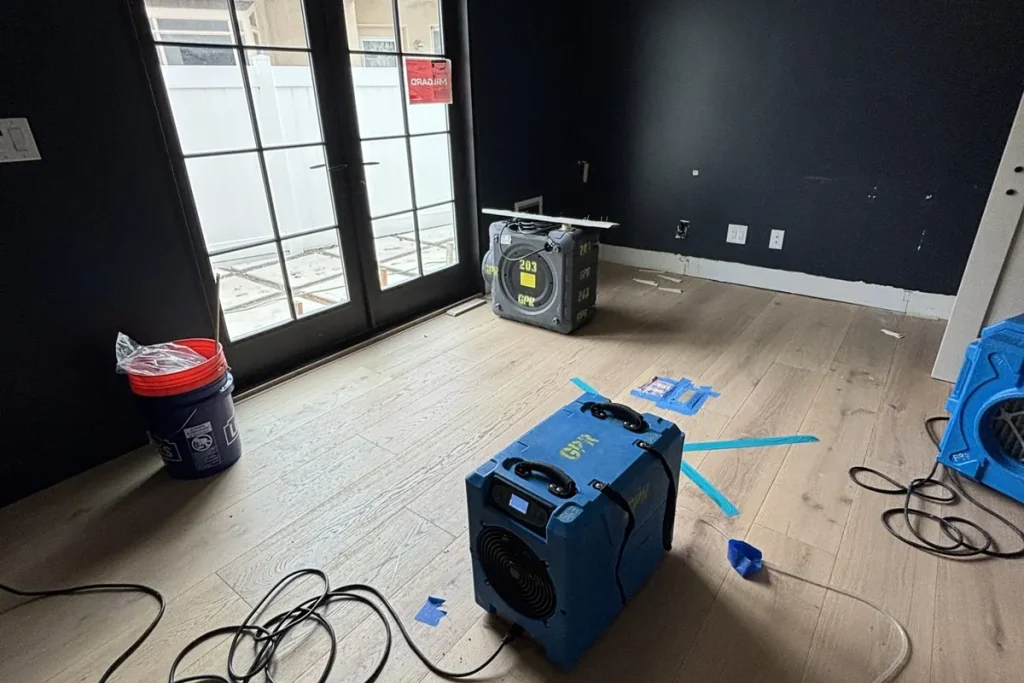
Even the best moisture meter is only as useful as the person using it. Knowing where to test, how to compare readings, and when moisture levels signal a real problem comes from experience. At Green Planet Restoration of LA, our water damage restoration Los Angeles service relies on professional-grade moisture detection to locate hidden water inside walls, flooring, and structural materials. Our restoration technicians make use of several pieces of industrial-grade equipment to assess the water damage and complete the drying process. The choice between pin vs pinless moisture meters is not rocket science for us. This precision allows us to confirm proper drying, prevent mold growth, and stop long-term damage that often leads to costly repairs when ignored. If you think there might be moisture in your walls, a professional inspection can give you clear answers before the problem gets worse. ______________________Related Articles
Complete Guide to Crawl Space Maintenance and Cleanup 24 Hour Plumbing Emergency Guide How LGR Dehumidifiers Prevent Secondary Damage How Moisture Meters Prevent Mold Growth Leaking Ice Makers: Why They Happen and How to Prevent Them How To Handle Flood Damage in Southern California Should I File an Insurance Claim for Water Damage? 8 Common Causes of Household Water Leaks and Water Damage News: It’s Raining in Los Angeles! Protect Your Roof with Emergency Roof Tarping Help from Green Planet Restoration of LA! Psychrometry in Water Damage Restoration: How It Protects Your HomeProperty damage right now?
We find the damage, dry or clean the structure and repair it. On site in about 45 minutes, 24/7.

Written by the Green Planet Restoration team
Our articles are written and reviewed by the crews who handle water, fire and mold damage every day across Southern California, Seattle, Miami-Dade and Las Vegas. About us