
The Sisi Fire is still burning in the North Cascades about 10 miles northwest of Stehekin, Washington. The National Interagency Fire Center’s October 30 situation report lists it at 4,774 acres and 35% contained, with residences threatened and area, road and trail closures in effect. Fire behavior is minimal, mostly smoldering and creeping through timber litter.
The lightning-caused fire started on August 14 on Sisi Ridge, in terrain the Lake Chelan Mirror described as “remote, nearly inaccessible.” Crews have kept a full-suppression strategy in place to protect private property and infrastructure, including the Stehekin State Airport and the Company Creek hydro plant.
Closures around Stehekin
The Okanogan-Wenatchee National Forest has closed several trails near the fire through December 31, 2026, under a closure order signed August 22. The list includes the Forest Service portion of the Pacific Crest Trail, plus the Agnes Gorge, Agnes Creek, Company Creek, Devore Creek, 4th of July Basin and Swamp Creek trails.
North Cascades National Park also lists Sisi Fire closures, including the Stehekin River area above Sun Creek and the Battalion cross-country zone. The park warns that fire hazards “may continue for several years after a fire.”
The bigger risk now: rain on burn scars
Washington had a long fire season. The state Department of Natural Resources has posted post-fire debris flow assessments this fall for the Little Giant, Sinlahekin and Paradise fires, among others. As the rainy season sets in, those burned slopes are the next hazard for nearby homes.
DNR’s debris flow guidance is blunt: “You cannot outrun a debris flow.” It usually takes intense rain on a recently burned slope, about half an inch per hour, to trigger one. The rain that matters is the rain in the mountains, even if it’s barely sprinkling where you live. DNR says the danger can last up to five years after a fire.
Infographic
Living below a burn scar: 5 steps before the next big rain
- 1Sign up for alertsFlood and emergency alerts from your county. Heed evacuation warnings.
- 2Check for an alluvial fanDry creek channels, large boulders and swales near the house are warning signs.
- 3Watch mountain rainAbout half an inch per hour on a fresh burn can start a flow, even if it’s dry at home.
- 4Sleep highAvoid lower-floor bedrooms that face the slope. Know your highest safe spot.
- 5Never cross flowing waterDon’t drive, walk or bike through a flooded road. Turn around.
What homeowners near Washington burn areas should do now
Start with DNR’s list. Sign up for flood and emergency alerts, make a plan for your family and pets, and practice it. If your home sits on an alluvial fan below a burned slope, avoid sleeping in lower-floor bedrooms on the side facing the slope, and know the highest point you can reach fast.
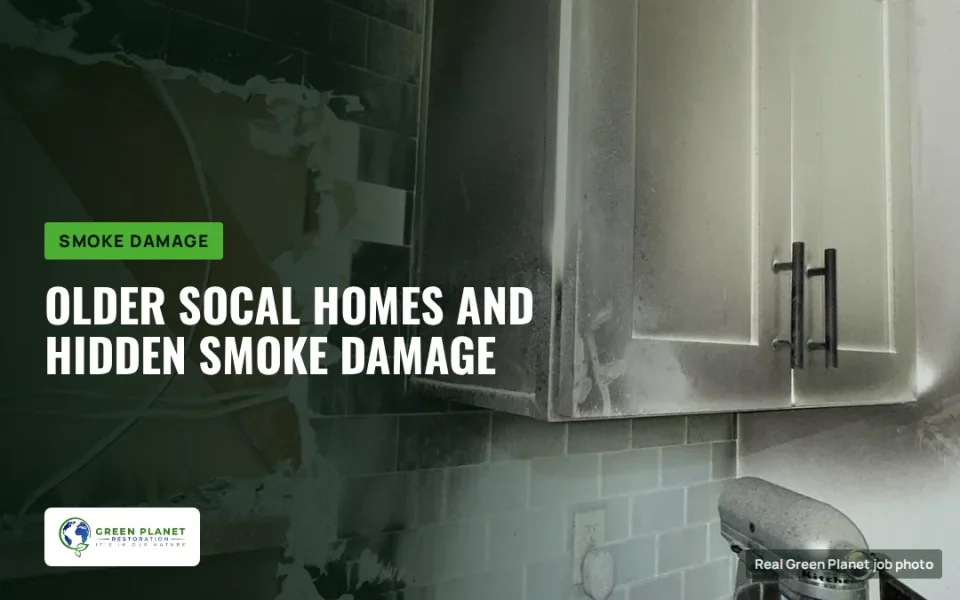
Inside the house, deal with smoke and ash before the wet season locks it in. Fine ash that sits in carpets, HVAC ducts and attic insulation picks up moisture and odor over the winter. Bag ash-covered soft goods you plan to clean, and skip the leaf blower, which just puts the ash back in the air.
GPR’s team, led by Efraim Haim, CEO of Green Planet Restoration, recommends getting the furnace and ductwork checked for smoke residue before the heat runs all winter. A running system can spread soot from one room to the whole house. Our smoke odor removal and fire damage cleanup crews handle both.
If mud or water does reach the house, move fast. Wet drywall and flooring can start growing mold within days. See our flood and water damage restoration service for what the drying process looks like.
Insurance and documentation tips
Photograph and video every room, the exterior and any ash or water lines before cleanup starts. Keep receipts for anything you spend to protect the home, such as tarps or board-up. Debris flow and mud damage are often handled differently from fire damage under homeowners policies, so call your insurer early and ask which coverage applies.
GPR’s team, led by CEO Efraim Haim, documents moisture readings, photos and removed materials from the first visit so the adjuster has a clear record. Our insurance billing team can work with your carrier directly.
Fire damage restoration in Seattle and across Washington
Most Puget Sound homes are far from the Cascades fire line, but some Seattle-area families own cabins or rentals near Lake Chelan, Leavenworth or the Methow Valley. Those properties often sit empty for weeks in fall and winter, which is exactly when ash, smoke odor and storm water do the most quiet damage. Our crew works out of Tukwila and handles fire damage restoration in Seattle and around the region, from soot cleanup to drying and rebuilds. Call (206) 707-9656 for a free inspection.
For a California perspective on smoke inside the house, see our tips for smoke protection.
References
- Lake Chelan Mirror. (2026, August 25). Little Giant Fire grows to 147,537 acres as crews reinforce containment lines. Lake Chelan Mirror. https://www.lakechelanmirror.com/stories/little-giant-fire-grows-to-147537-acres-as-crews-reinforce-containment-lines,186805
- National Interagency Coordination Center. (2026, October 30). Incident management situation report. National Interagency Fire Center. https://www.nifc.gov/nicc-files/sitreprt.pdf
- National Park Service. (2026, October 6). Fire closures. North Cascades National Park. https://www.nps.gov/noca/planyourvisit/fire-closures.htm
- USDA Forest Service. (2026, August 25). Sisi Fire trails closure. Okanogan-Wenatchee National Forest. https://www.fs.usda.gov/r06/okanogan-wenatchee/alerts/sisi-fire-trails-closure
- Washington State Department of Natural Resources. (n.d.). Wildfire-associated debris flows. Washington Geological Survey. https://dnr.wa.gov/washington-geological-survey/geologic-hazards-and-environment/wildfire-associated-debris-flows
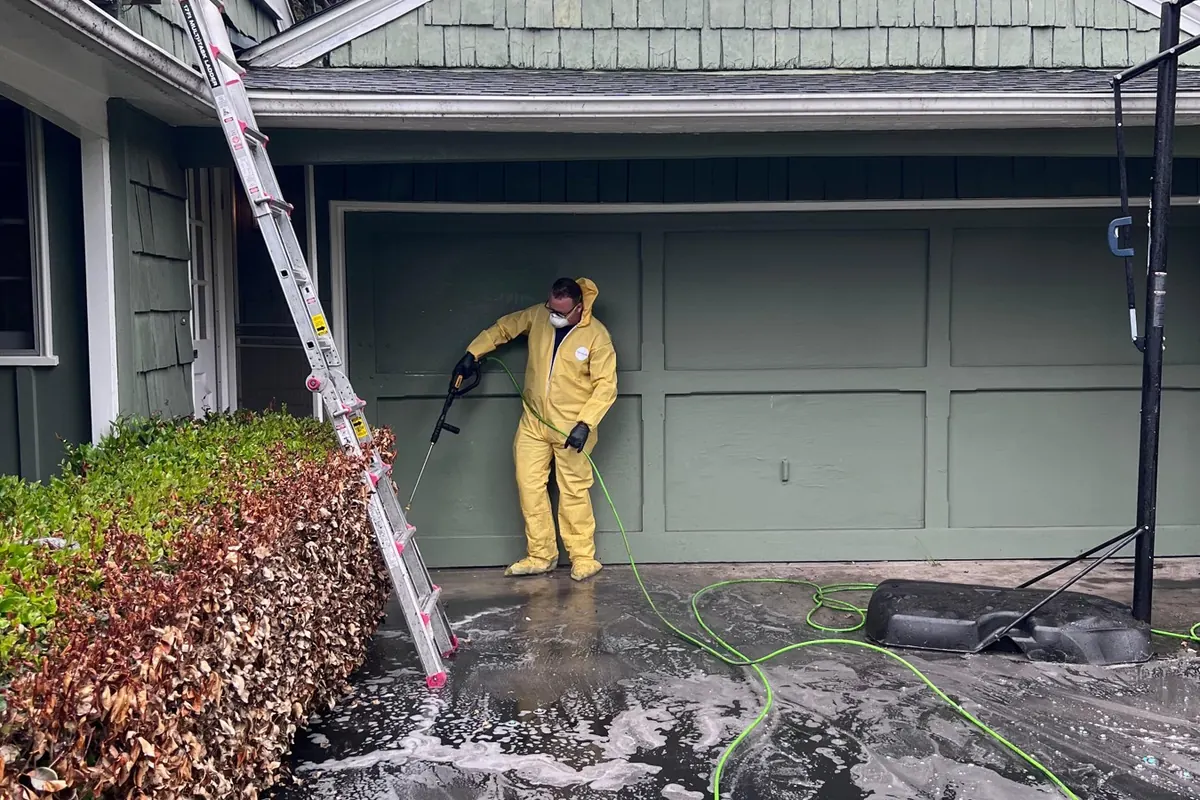
Featured image: Green Planet Restoration photo.
We find the damage, dry or clean the structure and repair it. On site in about 45 minutes, 24/7.

Our articles are written and reviewed by the crews who handle water, fire and mold damage every day across Southern California, Seattle, Miami-Dade and Las Vegas. About us