

In this topic
- Containment keeps spores from spreading to the rest of the house.
- Killing mold isn't enough; it has to be removed.
- The moisture problem has to be fixed or it comes back.
Remediation standards like the IICRC S520 focus on physically removing mold, not just spraying it. Dead mold can still cause reactions.
This topic is part of our complete guide to mold remediation. The articles for this topic are listed at the end of the page.
Step by step
- Inspection and moisture mapping.
- Containment with plastic walls and negative air.
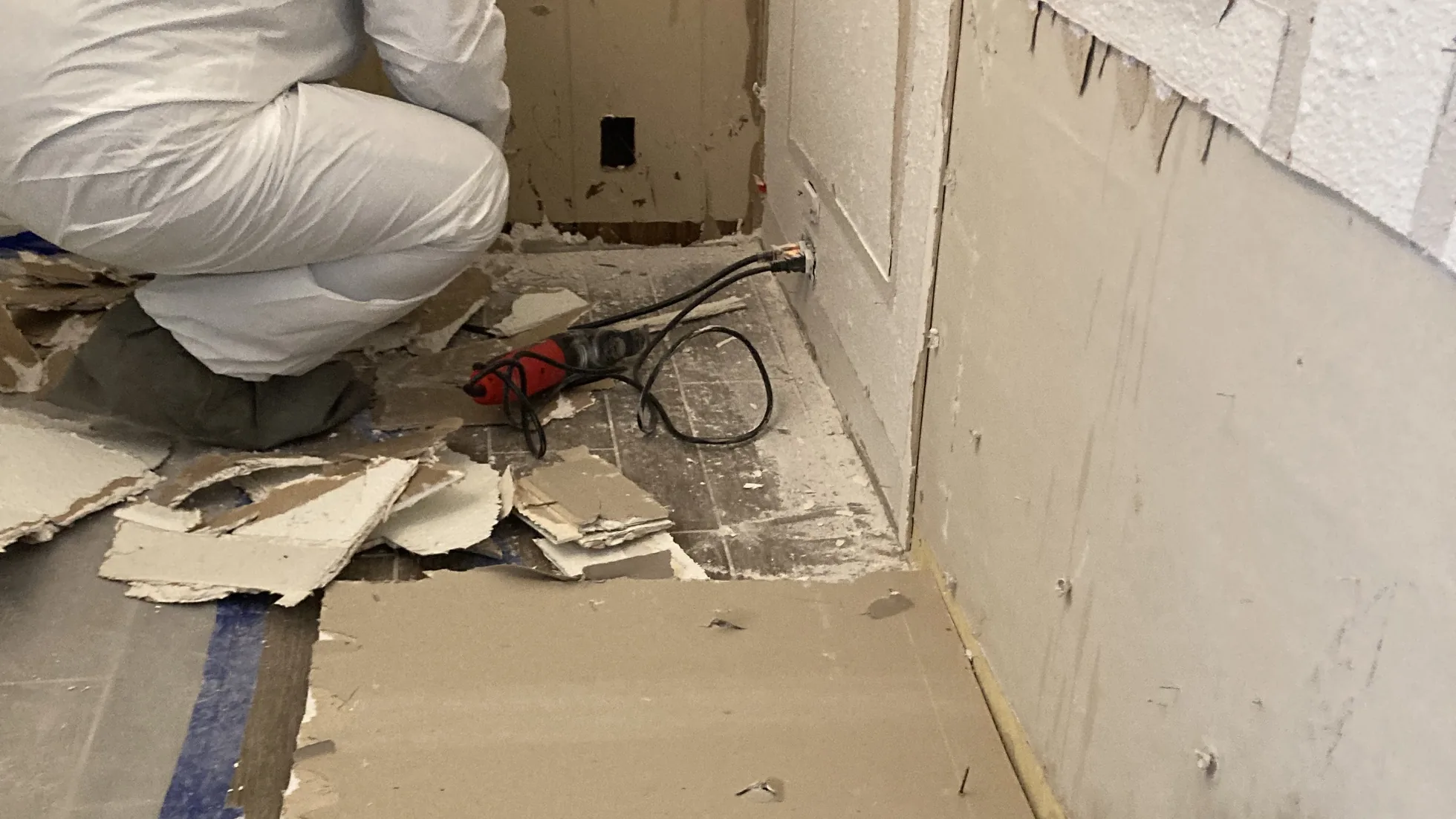
- Removal of porous materials with growth.
- Cleaning of framing and surfaces with HEPA vacuuming and wiping.
- Drying of everything that stays.
- Air filtration during and after the work.
- Verification, visual and sometimes clearance testing.
- Rebuild once the area is clear.
How long it takes
Small jobs take a day or two. Larger jobs with a lot of removal take several days, plus drying and any clearance testing before rebuilding starts.
All 12 articles in this topic
0 published · 12 coming soon- What Are the Steps in Professional Mold Remediation?Coming soon
- What Is Containment in Mold Remediation?Coming soon
- How Do Professionals Remove Mold From Drywall?Coming soon
- What Is HEPA Filtration Used for During Mold Removal?Coming soon
- How Do Restoration Companies Prevent Mold Spores From Spreading During Removal?Coming soon
- What Antimicrobial Treatments Are Used After Mold Removal?Coming soon
- Can Mold-Damaged Wood Framing Be Saved or Must It Be Replaced?Coming soon
- What Is Encapsulation in Mold Remediation?Coming soon
- How Do Restoration Companies Handle Mold in HVAC Ductwork?Coming soon
- What Happens to Your Belongings During Mold Remediation?Coming soon
- How Do You Know When Mold Remediation Is Complete?Coming soon
- What Is Dry Ice Blasting for Mold Removal?Coming soon
Need mold removed properly?
A local crew can be on site in about 45 minutes, 24/7, and we document everything for your insurer.