Containment equipment
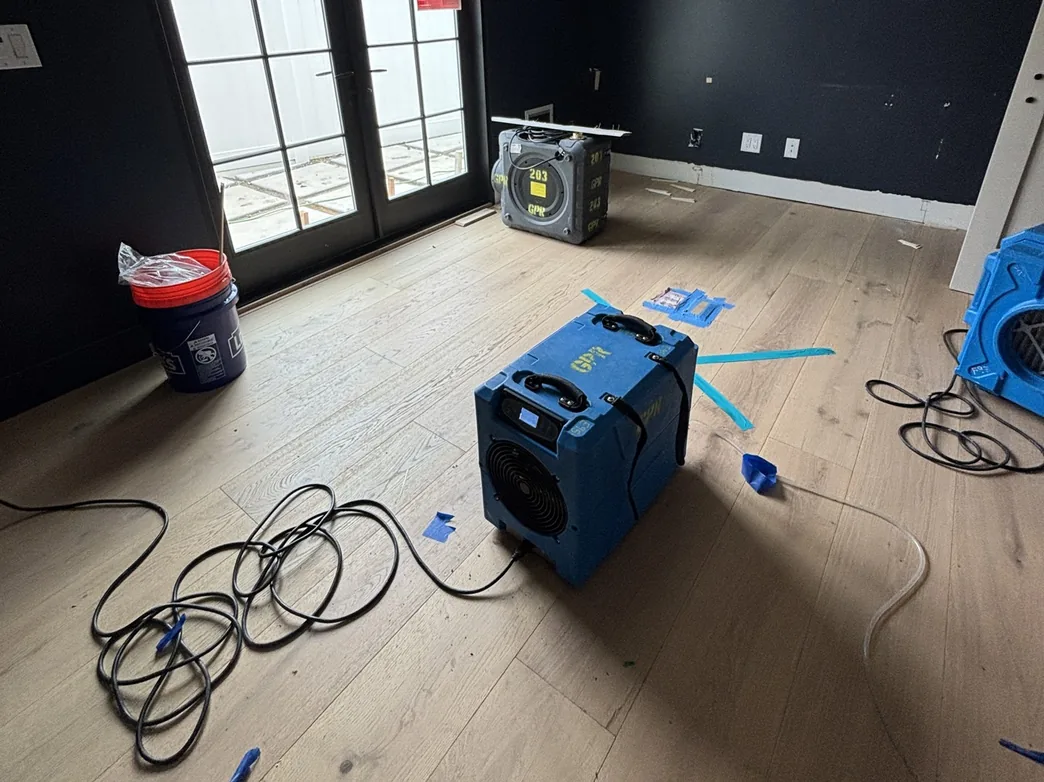
Negative air machines
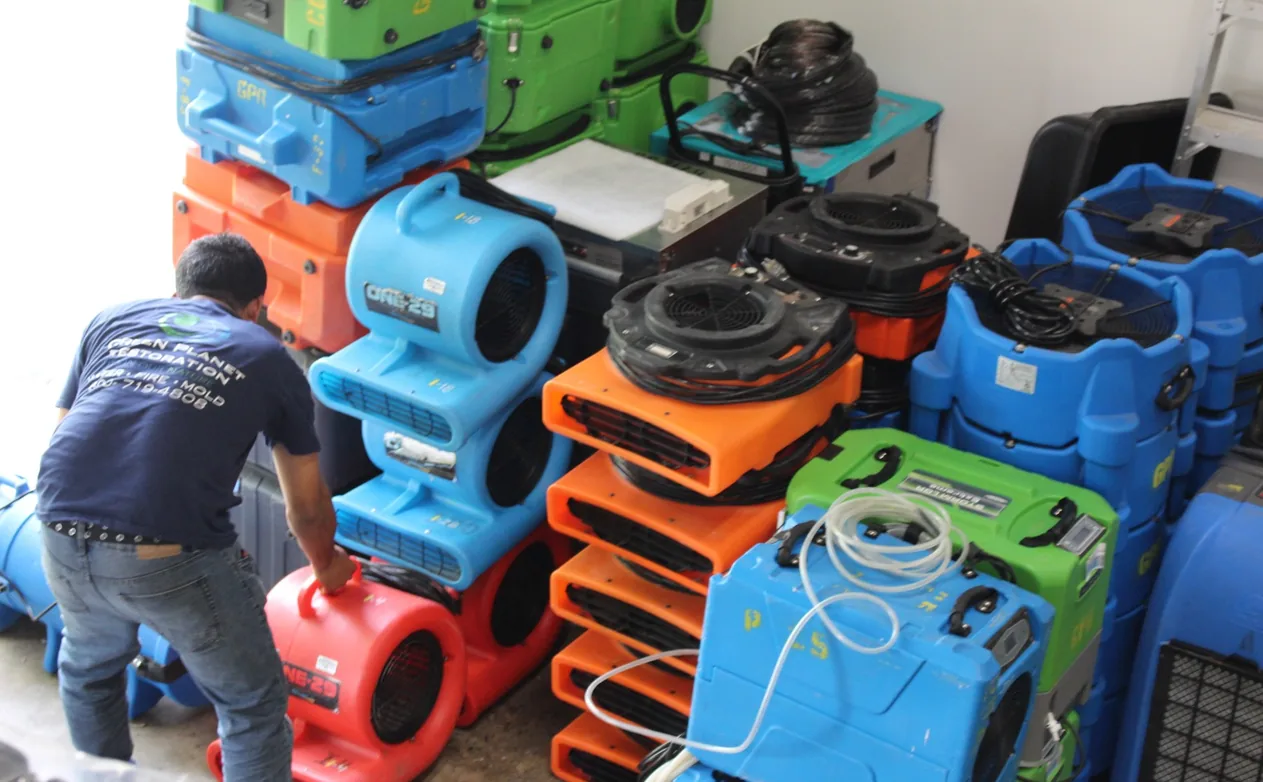
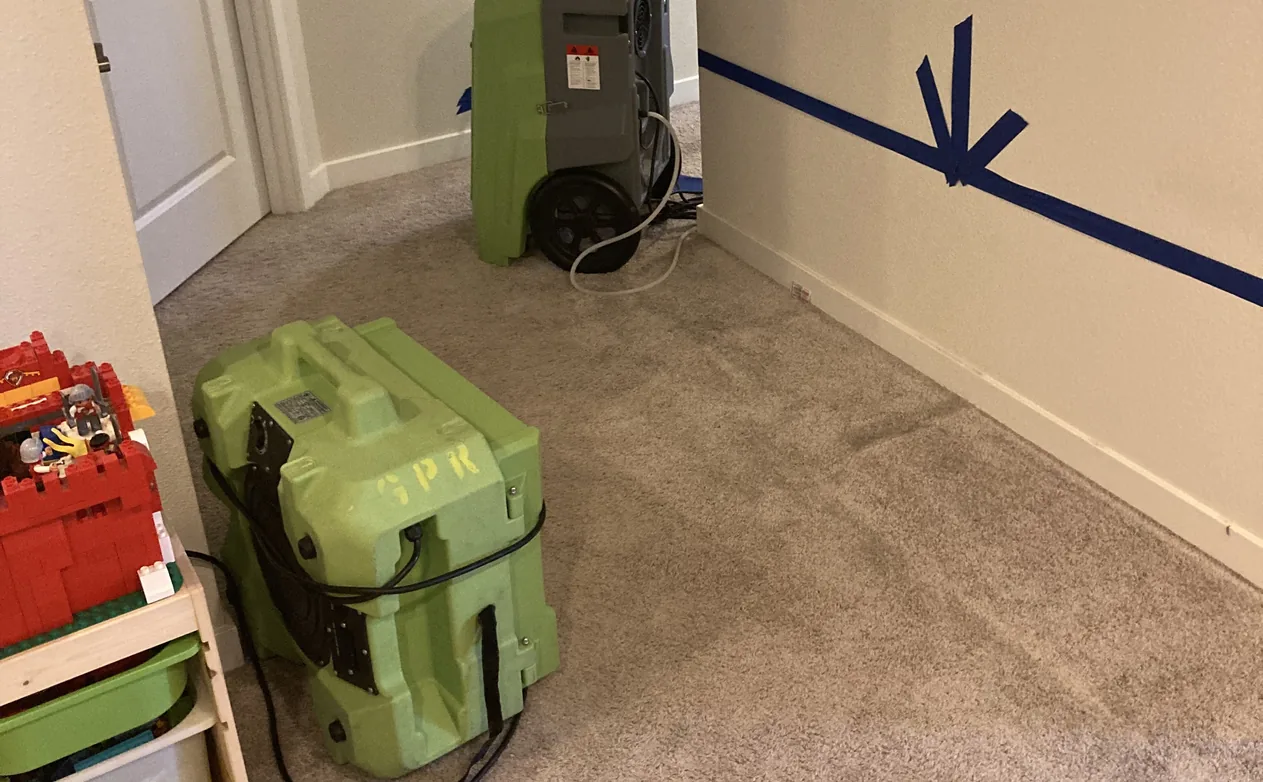
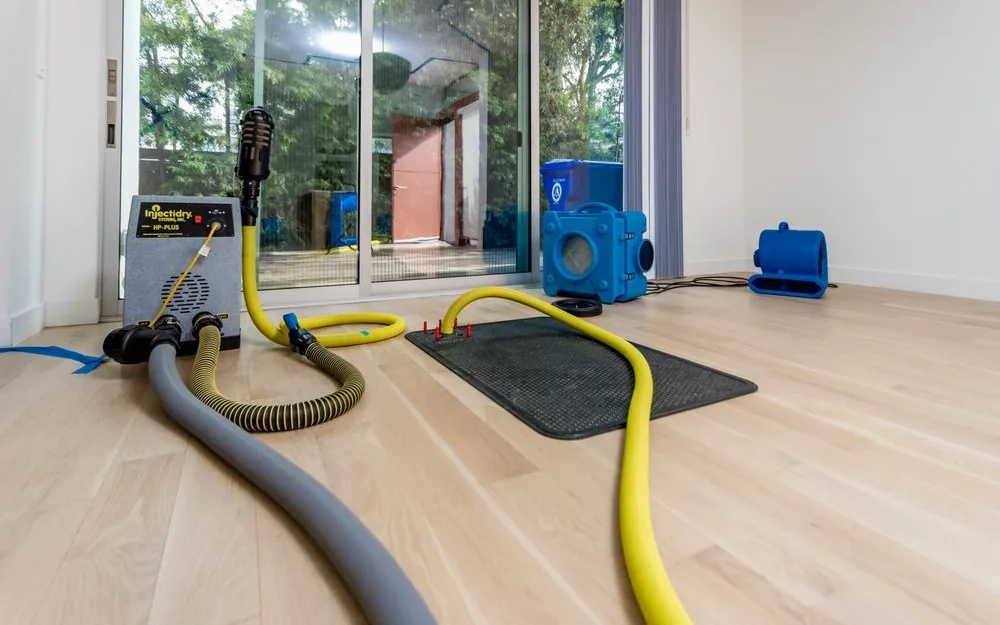
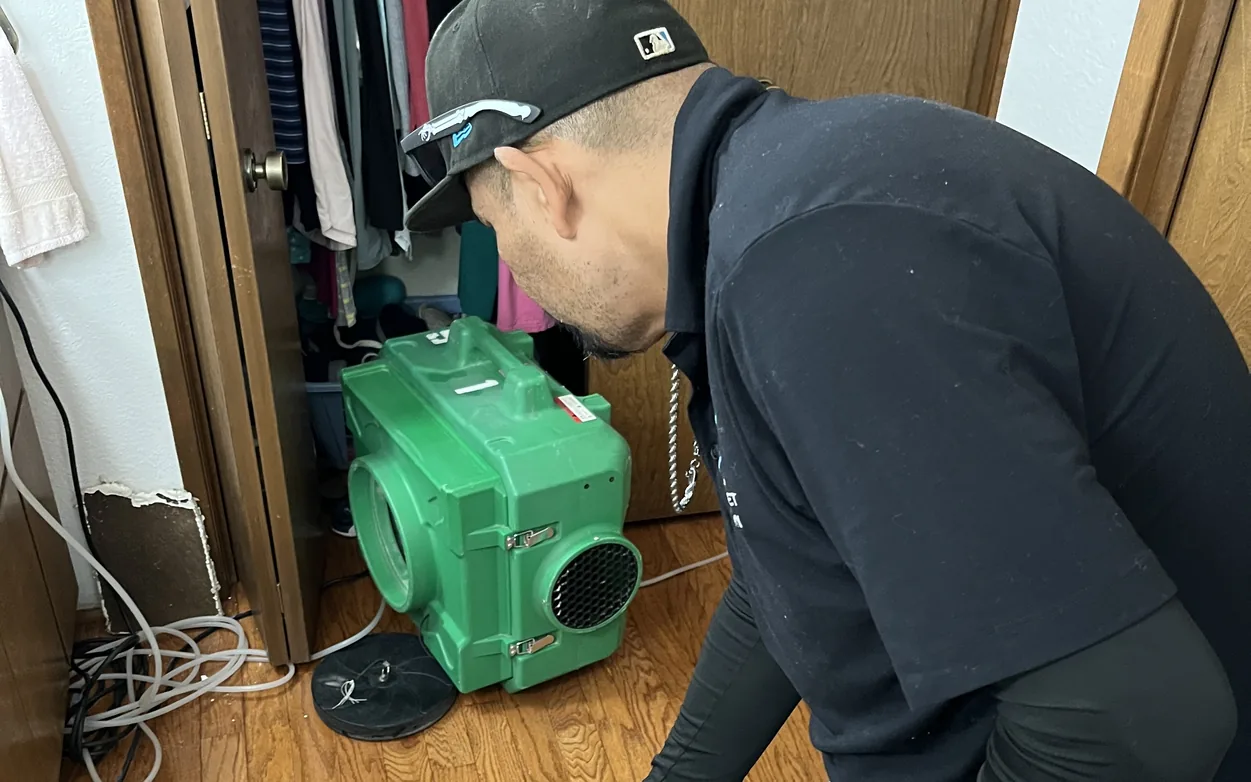
A negative air machine pulls air out of a sealed work area through a HEPA filter and vents it outside. That lower pressure means air leaks into the work area, not out of it, so spores and dust stay put.
- Keeps spores
contained - HEPA filtered
exhaust - Protects the rest
of the home
- IICRCCertified firm
- CSLBLicensed contractor
- Bonded& insured
- InsuranceDirect billing
- 24/7/365Emergency dispatch
- TrustpilotRead our reviews
What negative air machines do on a job
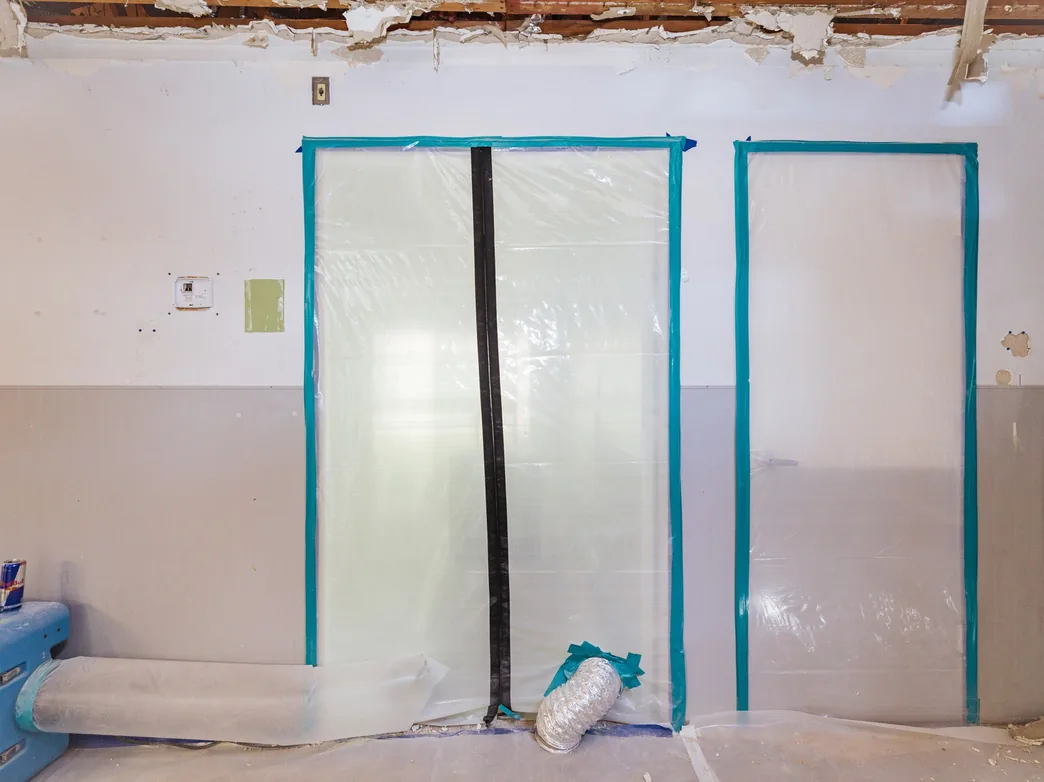
Mold removal and sewage cleanup disturb contaminated materials. Plastic walls alone don't stop fine particles from escaping through gaps. Negative pressure does: with air constantly pulled out of the work area, any leak draws clean air in.
The machine is usually a HEPA air scrubber ducted to the outside or to a filtered exhaust point. The exhaust is filtered before it leaves, so nothing is blown out into the yard or the next room.
Types we use
| Setup | Best for | How it works | Typical setting |
|---|---|---|---|
| Full containment with negative air | Mold remediation | Plastic walls and a zip door seal the area, and the machine exhausts filtered air outside. | Bathrooms, bedrooms, attics |
| Mini containment | Small areas | A small sealed enclosure around one wall or cabinet run, with a machine keeping it under negative pressure. | Behind a sink or washer |
| Crawl space and attic setups | Hard-to-reach areas | The space itself is sealed from the living area and exhausted to the outside. | Crawl spaces, attics |
| Biohazard and sewage | Contaminated cleanup | Containment and negative air protect occupants while contaminated materials are removed. | Sewage, trauma scenes |
How we use them on your job
Build the containment
Plastic walls, sealed seams and a zip door separate the work area.
Set negative pressure
The machine is ducted outside and started before any removal begins.
Check the pressure
We confirm the plastic draws inward and the airflow is right.
Do the work
Contaminated materials are removed and bagged inside the containment.
Clean and clear
Surfaces are HEPA vacuumed and wiped, the air is cleaned, then the containment comes down.
Common questions
Why is the plastic sucked inward?
That is how you know negative pressure is working. Air is flowing into the work area, not out.
How long does containment stay up?
Until removal and cleaning are finished and the area passes a visual check, and clearance testing if your job calls for it.
Where does the air go?
Out through a HEPA filter, usually through a window or door opening that is sealed around the duct.
Can I stay in my house?
Usually, outside the containment. For large jobs or health concerns, we will talk through whether a short stay elsewhere makes sense.
The rest of the kit