

In this topic
- Visible mold plus a moisture source usually doesn't need a test to act.
- Air samples compare indoor spore counts to outdoor air.
- Clearance testing confirms the job was done right.
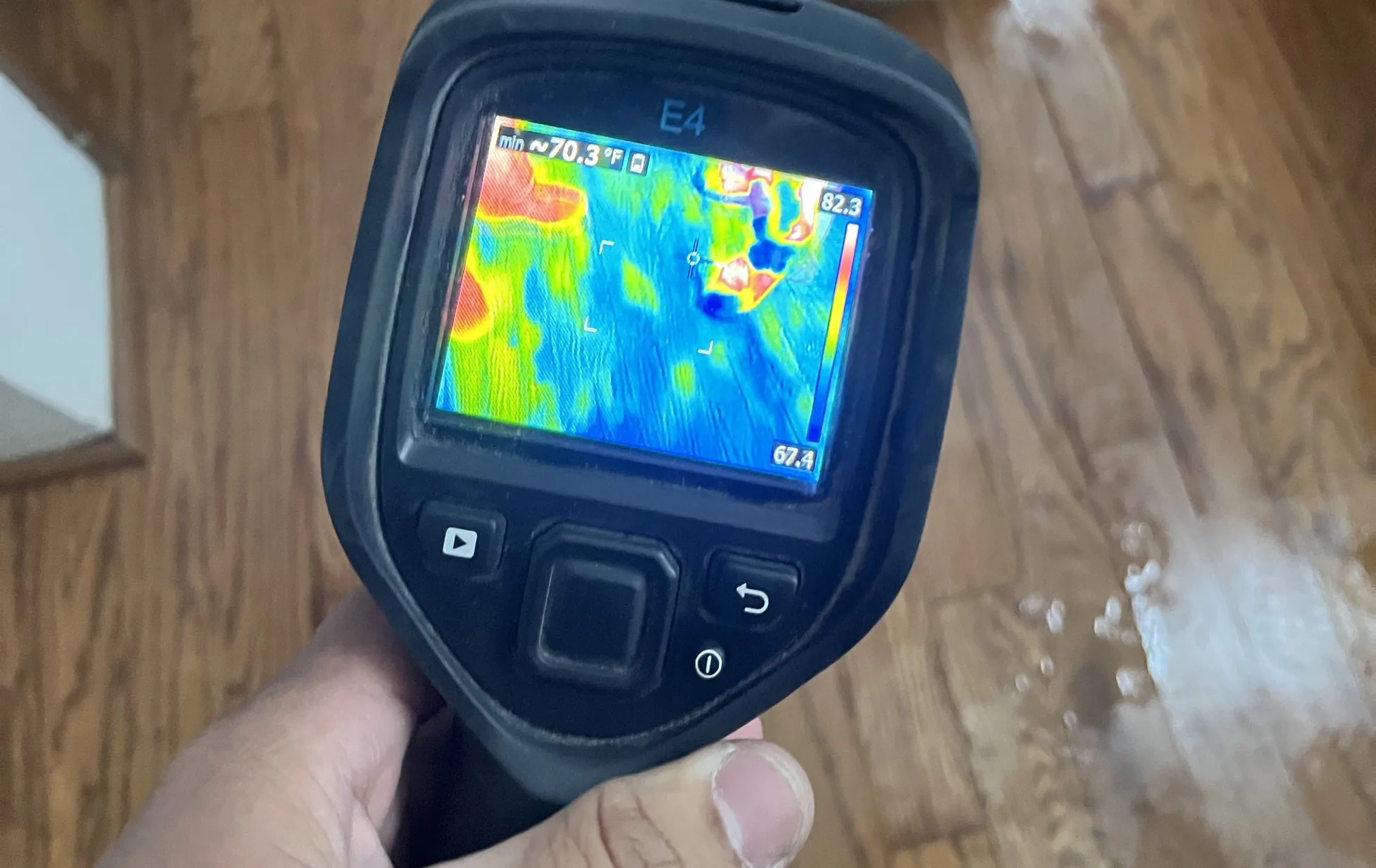
A good inspection starts with moisture, not mold. Meters and thermal imaging show where water is, and that usually shows where mold is growing or will grow.
This topic is part of our complete guide to mold remediation. The articles for this topic are listed at the end of the page.
What an inspection includes
- A walk-through of the area and history of leaks or odors.
- Moisture readings and thermal imaging.
- A look inside cabinets, attics, crawl spaces and HVAC where needed.
- Photos and notes on what was found.
Types of testing
- Air sampling: indoor spore counts compared with an outdoor sample.
- Surface sampling: tape or swab samples to confirm growth on a material.
- Clearance testing: after remediation, often by an independent inspector.
In some states the inspector and the remediation company should be separate. Ask about that when you schedule.
All 12 articles in this topic
0 published · 12 coming soon- What Happens During a Professional Mold Inspection?Coming soon
- How Much Does a Mold Inspection Cost?Coming soon
- What Is Air Quality Testing for Mold?Coming soon
- What Is Surface Sampling for Mold Testing?Coming soon
- Do You Need a Mold Inspection Before Buying a Home?Coming soon
- How Do Inspectors Detect Hidden Mold Behind Walls?Coming soon
- What Is a Mold Clearance Test After Remediation?Coming soon
- How Long Does a Mold Inspection Take?Coming soon
- What's the Difference Between a Mold Inspection and a Mold Assessment?Coming soon
- Are DIY Mold Test Kits From the Store Accurate?Coming soon
- What Does a Mold Inspection Report Include?Coming soon
- When Should You Get a Mold Inspection After Water Damage?Coming soon
Want a mold inspection?
A local crew can be on site in about 45 minutes, 24/7, and we document everything for your insurer.