Mold contamination is a serious concern in both residential and commercial properties. Restoration companies try various methods like encapsulation paints, negative air machines, and HEPA Vacuuming in order to stop mold from spreading. Biocides are another commonly used method during mold remediation.
Many homeowners think biocides are a quick fix. But using them at the wrong time can make mold problems worse. Biocides are powerful chemicals and cannot be used regularly or in every place. They are not always safe in every situation. So, here the question comes to mind: when should you use biocides for mold?
What Are Biocides?
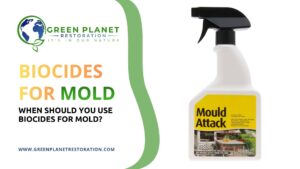
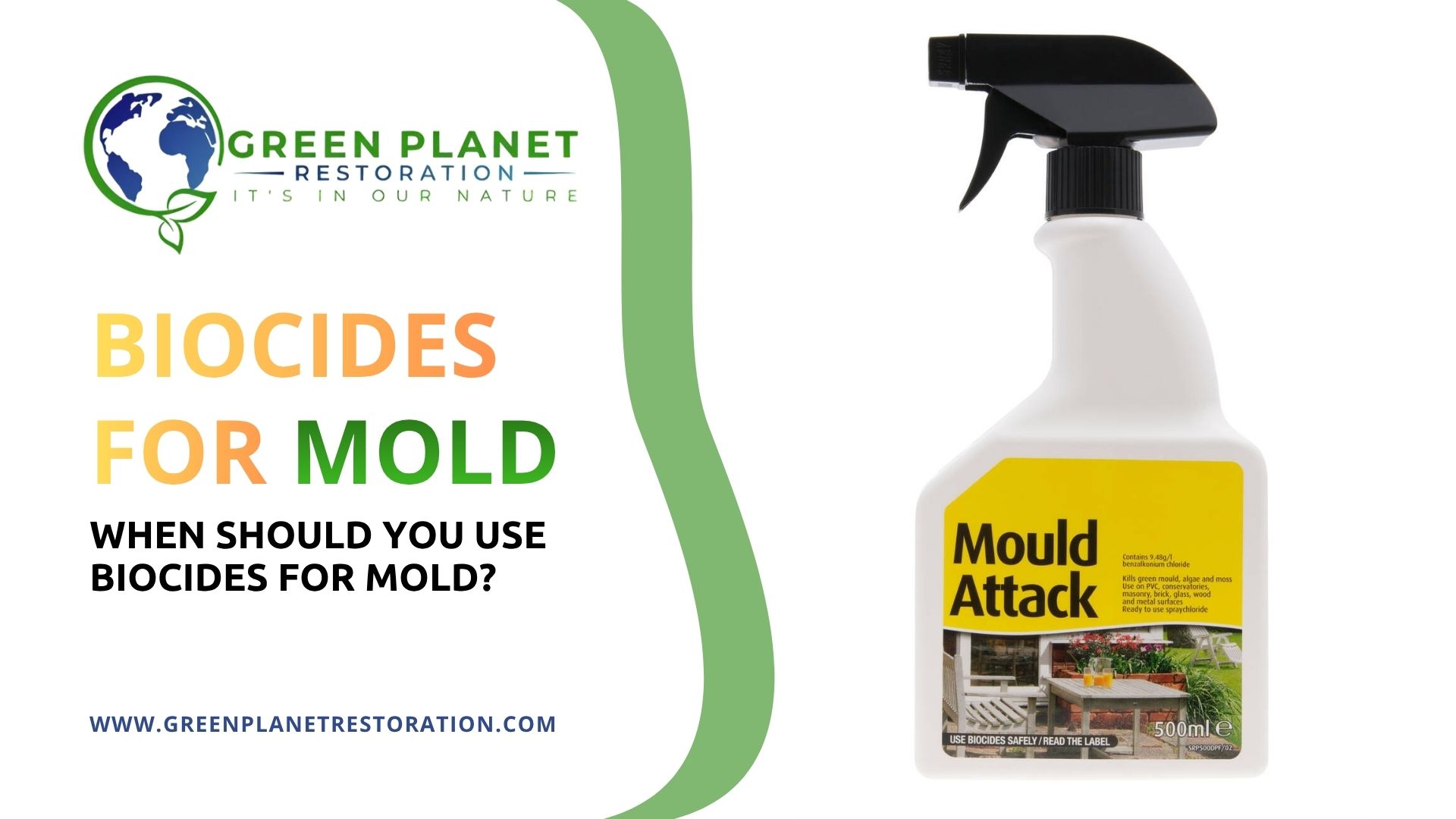
Biocides are chemicals that kill or stop mold growth, including bacteria, fungi, and viruses. In mold remediation, biocides are applied as sprays or foggers to kill active mold colonies and disinfect affected areas. Some common biocides are:
- Sodium hypochlorite (bleach)
- Quaternary ammonium compounds
- Hydrogen peroxide-based disinfectants
- Phenolic-based agents
- EPA-registered antimicrobial coatings
These chemicals are effective, but they are not always necessary. In some circumstances, they can pose health and safety risks if misapplied.
The Purpose of Biocides in Mold Remediation
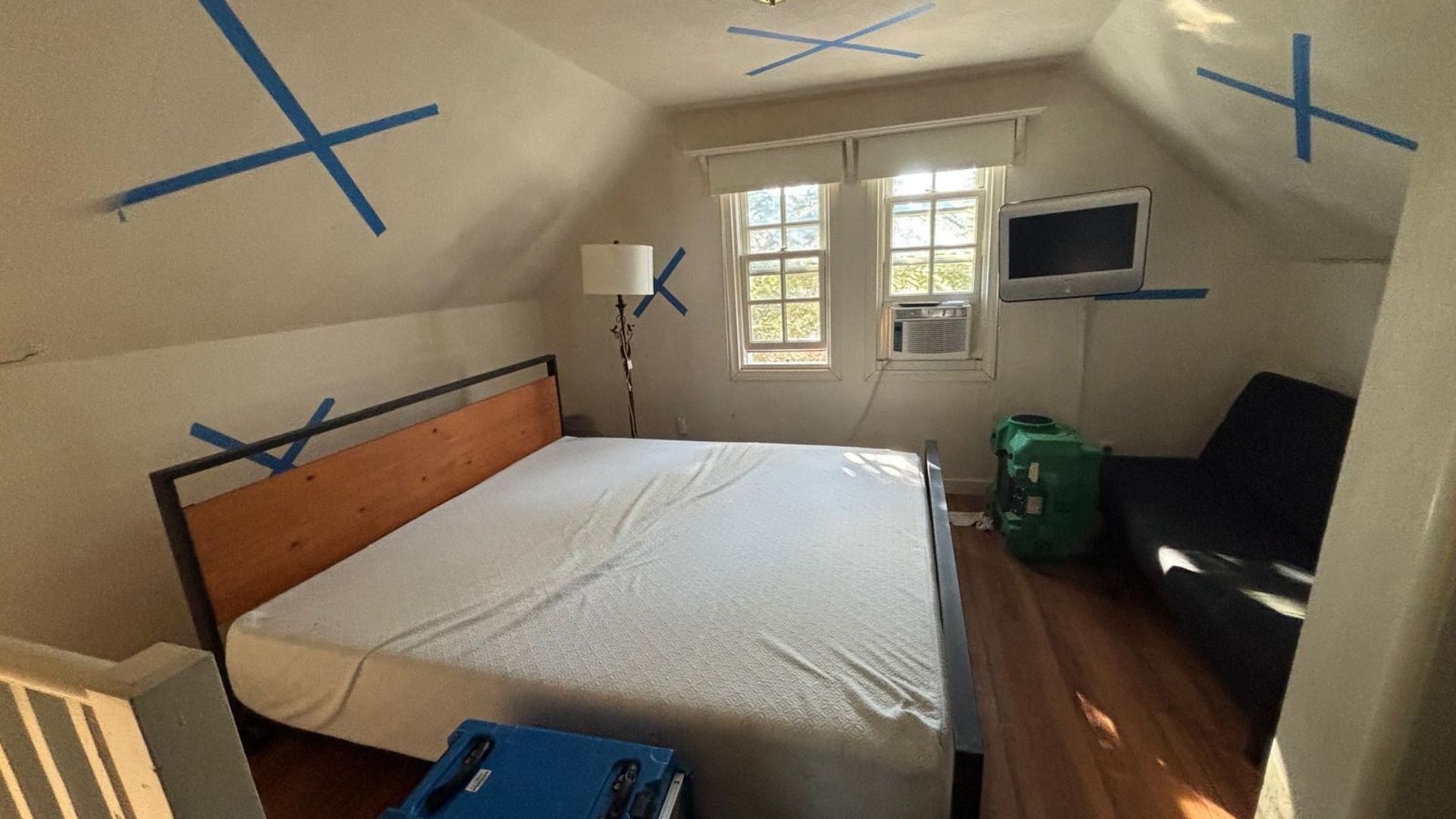
The main purpose of mold remediation is to remove mold permanently and also stop it from growing in the future. In this process, biocides play a secondary major role. After physical mold removal, use biocides for mold to sanitize the surface.
Biocides help to kill mold spores on hard surfaces and sanitize the contaminated area after cleanup. They also reduce the odor of microbial growth and control bacteria in the HVAC system.
However, they do not penetrate porous materials like drywall, fabric, or insulation. In these cases, materials must be removed and replaced. Spraying biocides would not stop growth beneath the surface.
When biocides should NOT be used:
- On porous materials like drywall or carpet
- As a replacement for removing mold
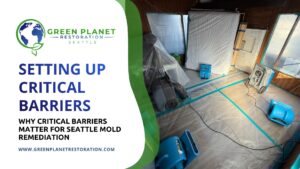
- In occupied spaces without proper containment
- By homeowners without training or PPE
When Should You Use Biocides for Mold?
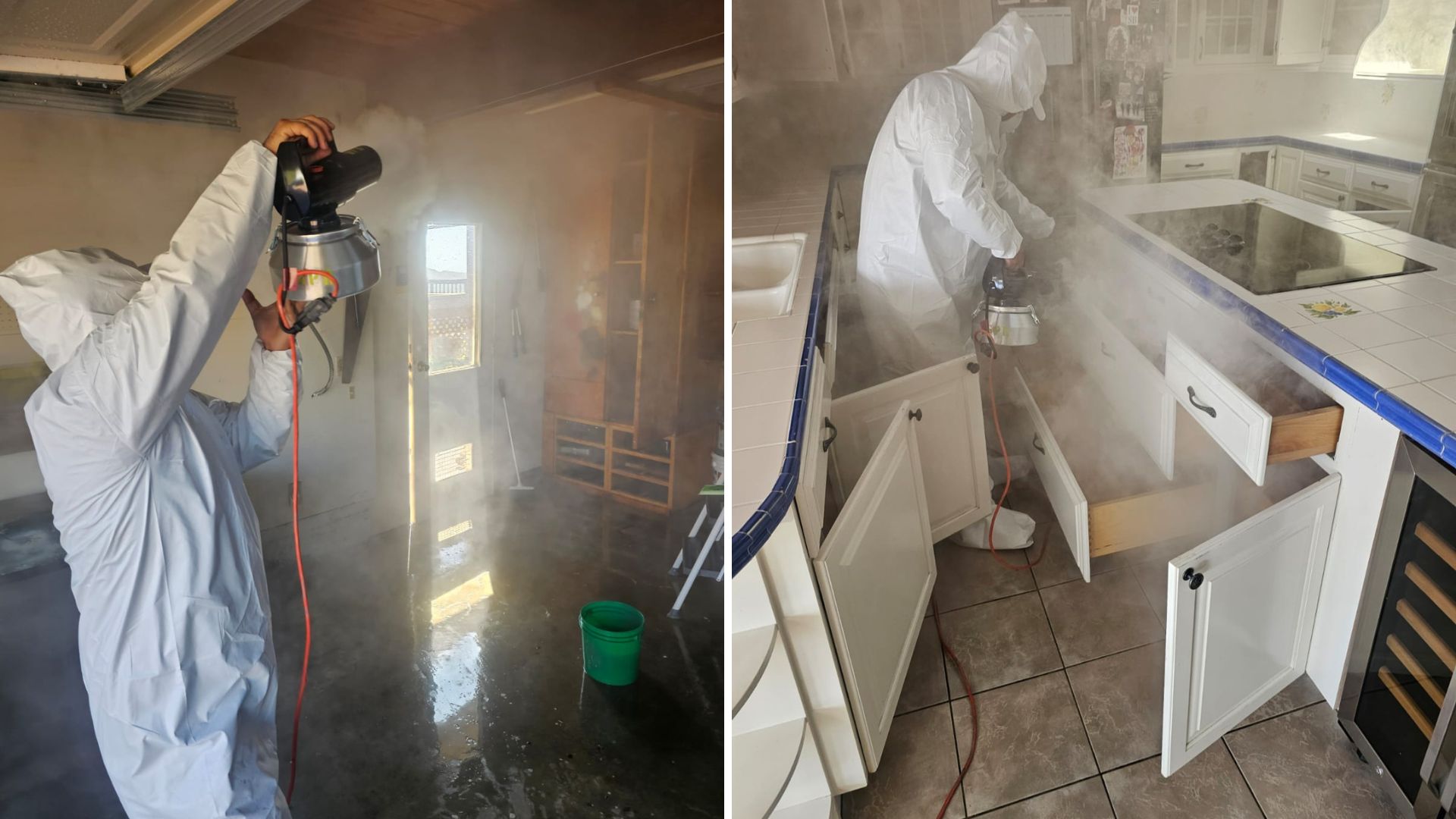
Using biocides should be based on environmental conditions, level of contamination, and the materials involved. Here are situations where their use is appropriate:
1. After Physical Mold Removal
Biocides work best after mold-affected materials have been properly cleaned or removed. Spraying chemicals on surfaces that are still covered with mold or dust reduces how well they work. Once the area is clean and debris is gone, biocides can be used to sanitize any remaining spores.
2. In HVAC Systems and Ductwork
Mold inside ductwork can spread spores in the building. EPA-registered HVAC biocides can be used after mechanical cleaning to reduce microbial activity on the metal surfaces in the system.
3. In Healthcare or Commercial Places
In places like hospitals, nursing homes, and food-handling facilities, cleanliness standards are much higher. Because of that, biocides are sometimes used to help clean mold and bacteria from surfaces and reduce the risk of infection.
4. In Severe or Category 3 Water Damage Events
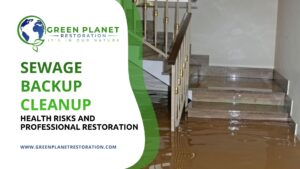
Use biocides for mold if your home has experienced black water contamination (e.g., sewage backups or floodwaters). In such cases, biocides become part of the sanitation process. These situations carry a high risk of harmful pathogens.
Are Biocides Safe?
Most biocides have severe safety hazards when not used correctly. The health problems may emerge due to exposure to such chemicals, particularly in the indoor environment.
Potential risks include:
- Respiratory irritation from inhaling chemical vapors
- Skin irritation or chemical burns from direct contact
- Eye damage if splashed or improperly handled
- Increased health risks for children and pets, who are more sensitive to chemical exposure
Due to these dangers, biocides must not be used unless necessary and in line with safety protocols. During application, proper personal protective equipment (PPE), including gloves, masks, and eye protection, is required.
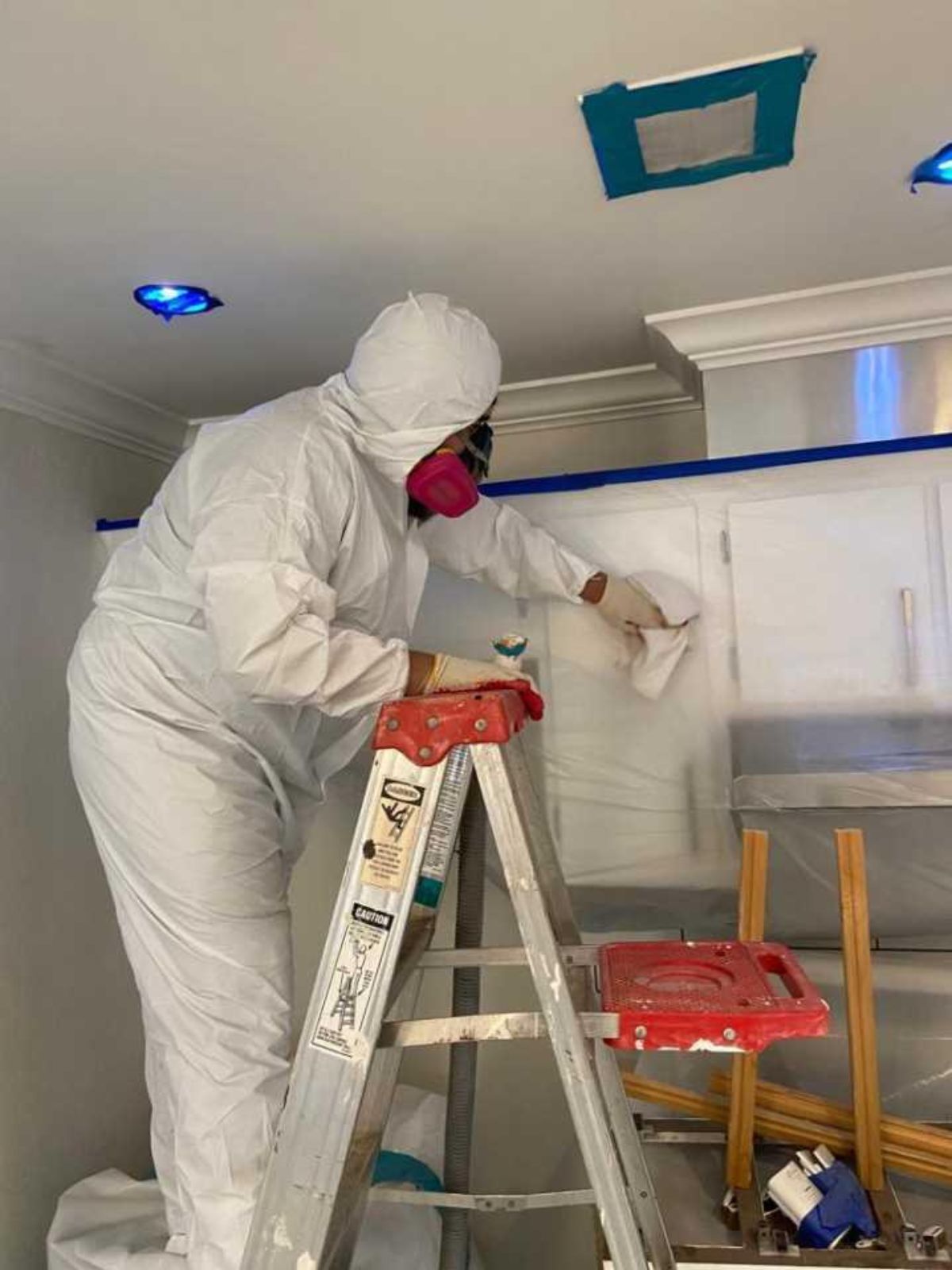
In the U.S., the EPA regulates products that kill mold and other microbes. For indoor mold treatment you should only use biocides that are EPA-approved. Always check the label for the EPA registration number before using.
Alternatives to Biocides
In many situations, non-chemical cleaning methods are safer and effective including:
- HEPA vacuuming to capture mold spores
- Dry ice blasting for wood framing
- Mechanical scrubbing with soap and water
- Encapsulation as a post-cleanup sealant
- Dehumidification and ventilation for long-term control
Biocides do not fix mold issues. They just help in proper removal and moisture control. When a biocide is used, it must be included in a more comprehensive remediation strategy, not an alternative to removing the mold.
Final Advice for Property Owners
Mold control is everyone’s top priority, but it is also challenging to remove it permanently. You should not use biocides for mold at home by yourself because it is highly risky for you and your family. You should never make chemical use a first step.
Hire Green Planet Restoration experts for a professional assessment. We start with testing and inspection of the containment area. If biocides are required, we use only EPA-registered products applied by trained professionals.
If you are dealing with mold and you are not sure which solution is right, call Green Planet Restoration today for expert assessment and targeted remediation.