
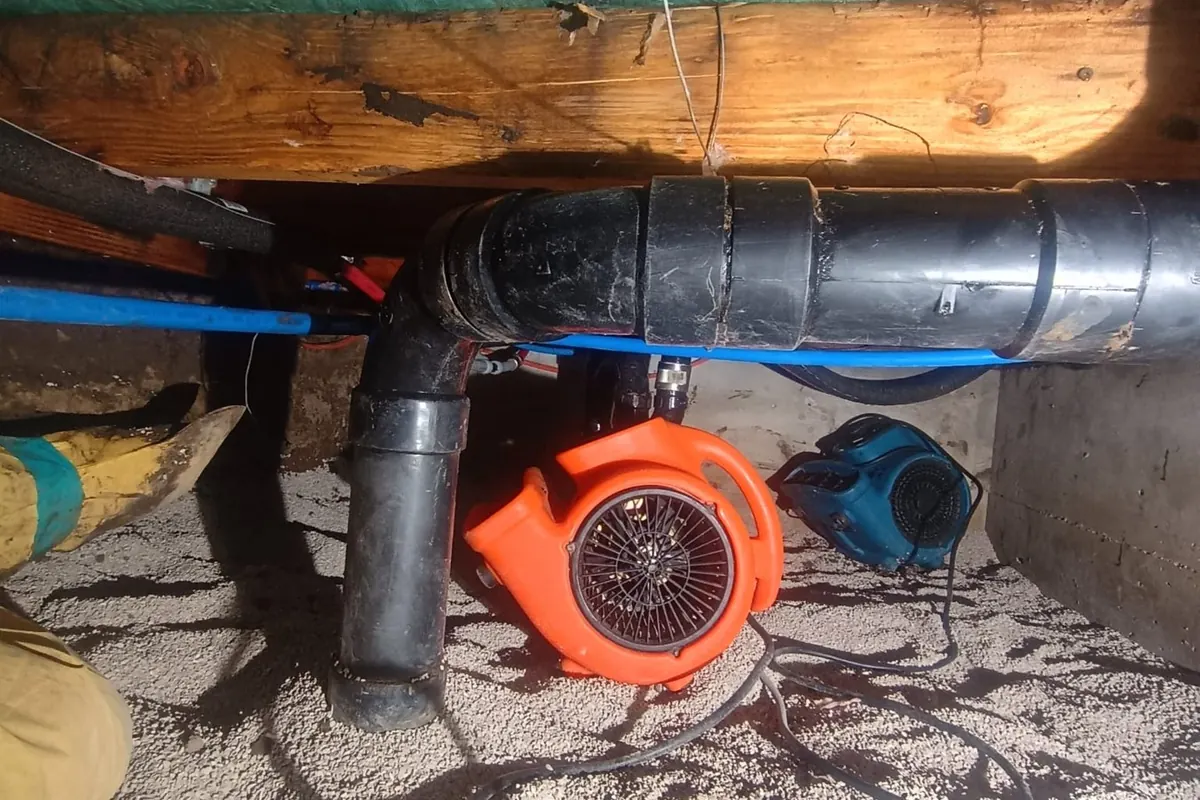
A flooded crawl space brings four health risks into your home: mold and the damp air that feeds it, bacteria and viruses from sewage or floodwater, disease carried in rodent droppings, and electrical shock or carbon monoxide during cleanup. The air down there doesn’t stay down there, so a wet crawl space can affect the air you breathe upstairs long after the water is pumped out.
Most homeowners never look under the house until something smells wrong or a floor starts to feel soft. Our guide to basement and crawl space flooding covers causes, drying and repairs. This article sticks to the health side: what can hurt you, who is most at risk, and where cleanup stops being a weekend project.
The clock matters more than anything else. The EPA advises drying water-damaged materials within 24 to 48 hours to prevent mold growth. In a crawl space, with bare soil, wood framing and fiberglass insulation all soaking up water, that window closes fast.
Mold and damp air: the slow risk
Mold is the risk that lingers. Floor joists, the underside of the subfloor, paper-faced insulation and cardboard boxes stored under the house all give mold what it needs once they stay wet. You often smell it before you see it: a musty, earthy odor that gets stronger on warm afternoons or right after the heat kicks on.
That smell is a clue about air movement. Warm air rises and leaks out through the upper parts of a house, and replacement air gets pulled in from below through gaps around pipes, wires, ducts and floor seams. A damp crawl space feeds spores and moisture straight into that flow.
The health evidence is solid. A 2004 review by the Institute of Medicine found sufficient evidence linking damp indoor spaces to upper respiratory symptoms, coughing, wheezing and asthma symptoms in people with asthma. The CDC adds that people with allergies, asthma, chronic lung disease or a weakened immune system are more likely to react. More detail is in our page on mold health effects and symptoms.
Where it stops being DIY: the EPA treats roughly 10 square feet of mold as the limit for a homeowner job. Growth spread across several joists, on the subfloor, or anywhere the water came from sewage is past that line.
What’s in the water: sewage, bacteria and contaminated soil
Water in a crawl space is rarely clean. It comes from a broken supply line, sure, but just as often from storm runoff, a high water table or a cracked sewer lateral. The CDC warns that floodwater can contain sewage, and that you should wear rubber boots and waterproof gloves, keep cuts covered and wash your hands with soap and clean water after contact.
The restoration industry’s IICRC S500 standard puts sewage and outside floodwater in Category 3, the most contaminated class. That changes the cleanup. Insulation, vapor barrier plastic, ductwork wrap and anything else porous that sat in that water usually has to come out and be bagged, not dried and reused. The soil itself may need treatment.
Kids and pets are the ones most likely to wander near an open crawl space hatch, so keep it closed while there’s standing water. If the water came from a sewer line, see our page on sewage backup and contaminated water before anyone goes under the house.
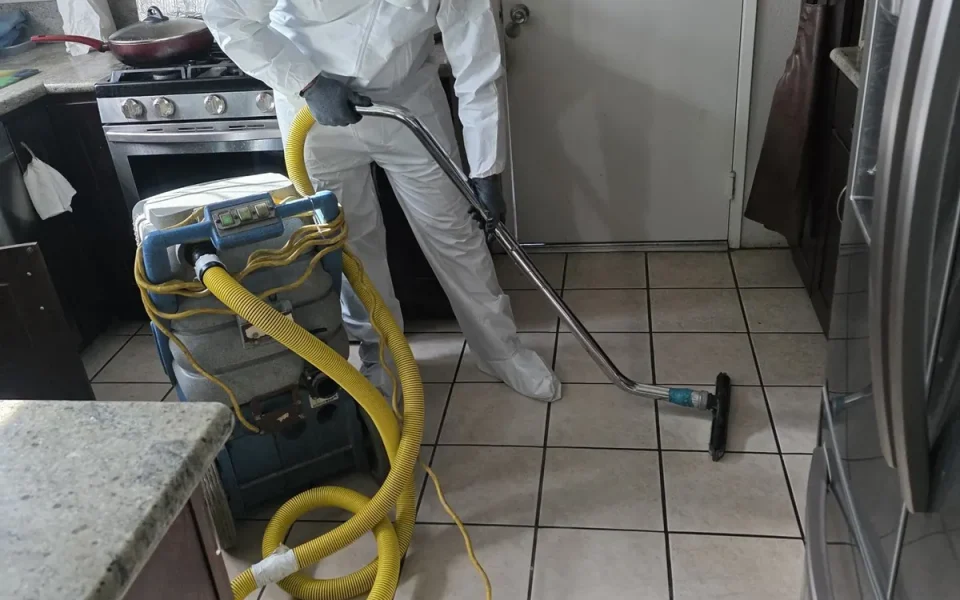
Where it stops being DIY: any sign of sewage (odor, toilet paper, gray or brown water) or floodwater from outside. That job needs protective gear, containment and disposal you probably don’t have.
Rodents, pests and hantavirus
Crawl spaces are rodent territory. Mice and rats nest in the insulation, and a flood soaks those nests and spreads droppings and urine across the soil and the vapor barrier. Pests that survive the water often move up into walls and cabinets.
Deer mice, common across much of the country, can carry hantavirus, and people catch it by breathing in dust from contaminated droppings or nesting material. The CDC’s hantavirus guidance is specific: don’t sweep or vacuum droppings. Wear gloves, spray the area with a disinfectant or a bleach solution of 1 part bleach to 10 parts water, let it soak for 5 minutes, then wipe it up with paper towels and bag it.
Where it stops being DIY: droppings spread through a whole insulation run, or an active infestation. Pulling contaminated insulation in a tight space throws up exactly the dust you’re trying to avoid.
Infographic
Flooded crawl space: what to do in the first 48 hours
- 1Cut the powerShut off circuits that feed the crawl space before anyone goes near the water.
- 2Stop the sourceClose the main water valve or redirect gutters and runoff away from the foundation.
- 3Gear upRubber boots, waterproof gloves and an N95 mask. Assume the water is contaminated.
- 4Keep engines outsideGas pumps and generators never go in or near the crawl space. Carbon monoxide builds fast.
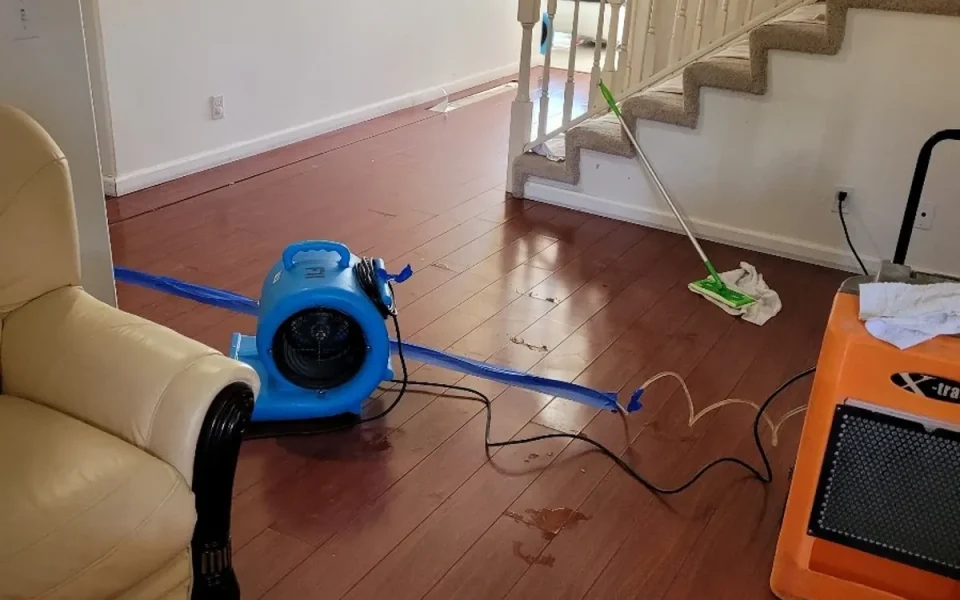
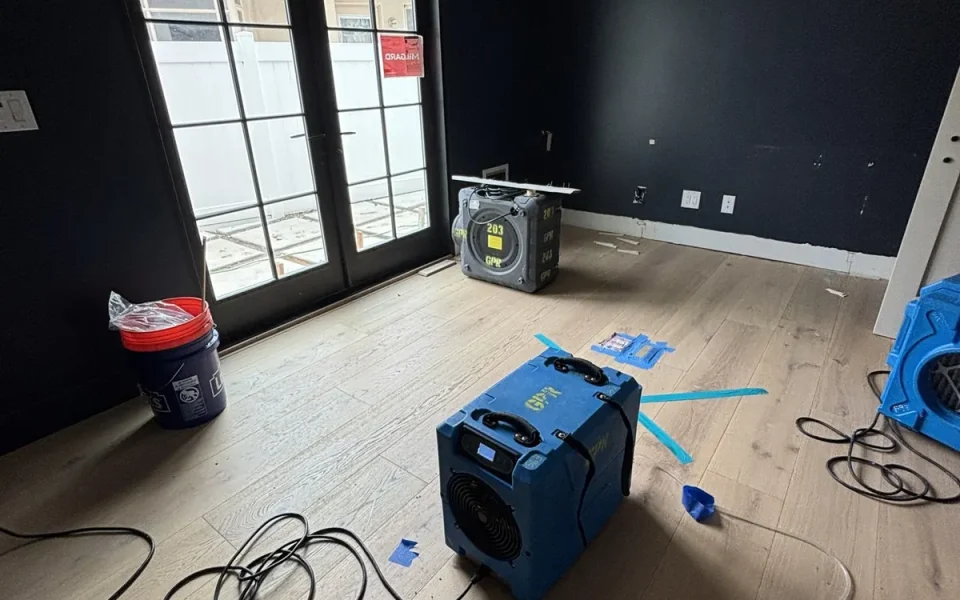
- 5Dry within 24 to 48 hoursPull soaked insulation, run dehumidifiers and move air across the framing.
- 6Hold humidity at 30 to 50%Below 60% at most. Check with a hygrometer for weeks after.
Cleanup hazards: power, gas and carbon monoxide
Some of the worst injuries after a flood happen during cleanup, not during the flood. Crawl spaces hold wiring, junction boxes, sump pumps and sometimes the furnace or water heater, all within reach of standing water. The CDC says to stay out of water that may be electrically charged and to have the power turned off before you go in. If you smell gas, leave the house and call the gas company from outside.
Carbon monoxide is the hazard people underestimate. A gas-powered pump or generator running near a crawl space vent can push exhaust into the house, and you can’t see or smell it. The CDC is clear that these engines belong outdoors, away from windows, doors and vents.
Efraim Haim, CEO of Green Planet Restoration, has his crews treat every flooded crawl space as an electrical hazard until power to that area is confirmed off. Homeowners should hold themselves to the same rule.
How long the risk lasts after the water is gone
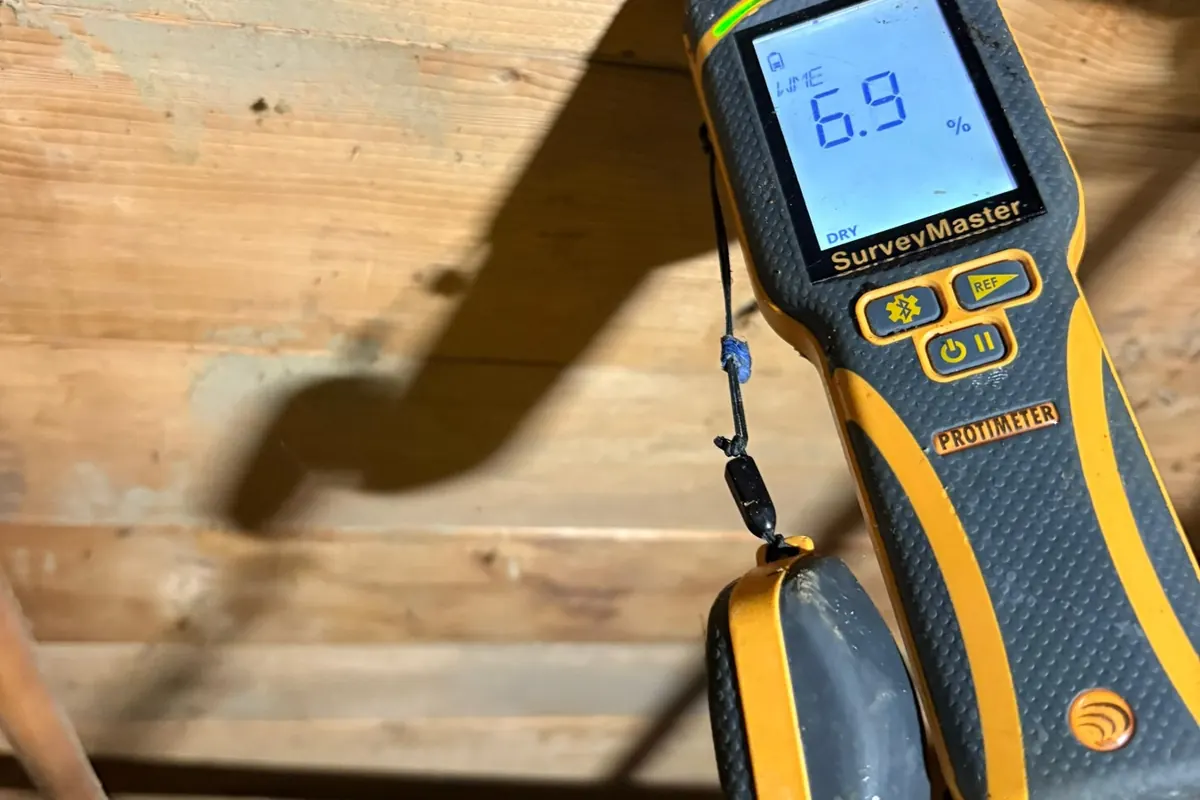
Pumping out the water is the start. Wet soil keeps releasing moisture for days, and framing lumber can feel dry on the surface while the core is still wet enough to grow mold. If the vapor barrier was torn or pushed aside, ground moisture keeps rising into the space until it’s replaced.
Watch for the signs over the next few weeks: a musty smell that comes back, hardwood floors that start to cup, condensation on ducts or pipes, or allergy symptoms that ease when you leave the house. Any of those means moisture is still winning.
The EPA recommends keeping indoor humidity below 60 percent, ideally between 30 and 50 percent. A crawl space that stays above that needs more drying, a better vapor barrier or both. GPR’s team, led by Efraim Haim, recommends taking moisture readings on the joists and subfloor before laying new plastic or closing anything up. Our pages on commercial dehumidifiers and vapor barriers explain how each one fits into the drying plan.
Flooded crawl spaces in the Santa Clarita Valley
Raised foundations are common in older parts of the valley, especially around Old Town Newhall, where some homes date back to the 1920s. Winter storms are the usual trigger. Heavy rain sheets off hillside lots in Canyon Country, Castaic and Stevenson Ranch, runs toward the foundation and collects under the house. Because the weather is dry most of the year, nobody checks the crawl space until the floor smells musty in January.
After a storm, pop the hatch and look with a flashlight. Standing water, wet insulation or a sagging vapor barrier are all reasons to call. For water damage restoration in Santa Clarita, our crew works out of Albion Way and covers Valencia, Newhall and Canyon Country. Call (661) 464-1251 any time.
Common questions
Can a flooded crawl space make you sick?
Yes. Damp spaces are linked to coughing, wheezing and asthma symptoms, and floodwater or sewage can carry bacteria and viruses. People with asthma, allergies or weak immune systems are the most likely to feel it.
Is it safe to stay in the house while the crawl space dries?
Usually, if the water was clean and power under the house is off or safe. If the water held sewage, or if mold is growing on the framing, sensitive people may be better off staying elsewhere until containment and cleanup are done.
Does insurance cover a flooded crawl space?
It depends on what caused the water and how your policy is written. A sudden pipe break is often treated differently from groundwater or storm flooding. Our guide to water damage insurance claims covers what to document, and our insurance billing team can work with your carrier directly.
Related reading
When the water under your house is more than a shop vac can handle, see our crawl space water extraction and cleanup service. If mold is already on the framing, our mold remediation and testing crew can take it from there.
References
- Centers for Disease Control and Prevention. (n.d.). Hantavirus prevention. CDC. https://www.cdc.gov/hantavirus/prevention/index.html
- Centers for Disease Control and Prevention. (n.d.). Mold. CDC. https://www.cdc.gov/mold-health/about/index.html
- Centers for Disease Control and Prevention. (n.d.). Safety guidelines: Reentering your flooded home. CDC. https://www.cdc.gov/floods/safety/reentering-your-flooded-home-safety.html
- Institute of Medicine. (2004). Damp indoor spaces and health. The National Academies Press. https://nap.nationalacademies.org/catalog/11011/damp-indoor-spaces-and-health
- U.S. Environmental Protection Agency. (n.d.). A brief guide to mold, moisture and your home. EPA. https://www.epa.gov/mold/brief-guide-mold-moisture-and-your-home
- U.S. Environmental Protection Agency. (2026, June 4). Mold cleanup in your home. EPA. https://www.epa.gov/mold/mold-cleanup-your-home
Featured image: Green Planet Restoration photo.
We find the damage, dry or clean the structure and repair it. On site in about 45 minutes, 24/7.

Our articles are written and reviewed by the crews who handle water, fire and mold damage every day across Southern California, Seattle, Miami-Dade and Las Vegas. About us