
A flash flood in Henderson, Nevada, turned deadly on Friday, October 30, when Henderson Fire crews answered three simultaneous water rescue calls around 1 p.m. and one person pulled from a wash near Lake Mead Parkway and North Pueblo Boulevard later died at an area hospital, according to KTNV and FOX5 Vegas. The storms didn’t stop there. On Sunday, November 1, the National Weather Service put Las Vegas, Henderson, North Las Vegas and Harry Reid International Airport under a severe thunderstorm warning for gusts up to 60 mph, large hail and torrential downpours.
For homeowners across the valley, the risk now shifts from the street to the house: water under flooring, wet drywall, and the mold that follows when a home doesn’t dry fast enough.
What happened in Henderson
Henderson Fire responded to three locations on Friday afternoon. At Lake Mead Parkway and North Pueblo Boulevard, crews pulled a person from the wash. A City of Henderson spokesperson told KTNV, “Upon rescue, the subject went into cardiac arrest and crews provided immediate care.” That person was taken to a hospital and pronounced dead.
On Lake Mead Parkway east of the Lake Las Vegas entrance, crews removed two people from a vehicle that had been swept off the road. Near North Milan and Drake streets, a driver whose car stalled in floodwater climbed onto the roof and was rescued. No injuries were reported in either of those rescues, according to both stations. The city closed Lake Mead Parkway east of Lake Las Vegas Parkway in both directions because of flooding and debris as of 3:30 p.m.
What desert flash floods do to homes
Desert ground sheds rain instead of soaking it up, so a short, heavy cell can send fast runoff across yards, driveways and low streets in minutes. When that water reaches a house, it usually comes in under exterior doors, through garage thresholds, or along block walls and slab edges.
Floodwater from streets and washes isn’t clean. It can carry sewage, oil and debris, which is why carpet pad, insulation and the bottom of drywall that sat in it usually have to come out rather than be dried in place. Water also wicks up drywall and hides under baseboards and cabinet toe kicks, so a floor that looks dry on top can still be wet underneath.
What homeowners should do now
The National Weather Service says 6 inches of fast-moving water can knock over an adult and 12 inches can carry away most cars. Don’t drive or walk through flooded washes or dips, even if the water looks shallow. Ready.gov also advises wearing heavy work gloves, protective clothing and boots during cleanup, and avoiding wading in floodwater, which can be contaminated.
Infographic
After a Las Vegas flash flood: 5 steps for your home
- 1Stay out of moving water6 inches can knock over an adult; 12 inches can carry away most cars.
- 2Make the house safeShut off power to wet areas if you can do it from a dry spot.
- 3Photograph everythingWater lines, damaged items and rooms, before anything is moved.
- 4Gear up for cleanupHeavy gloves, boots and protective clothing. Floodwater can be contaminated.
- 5Dry it fast and verifyCheck walls and subfloors with a moisture meter before closing anything up.
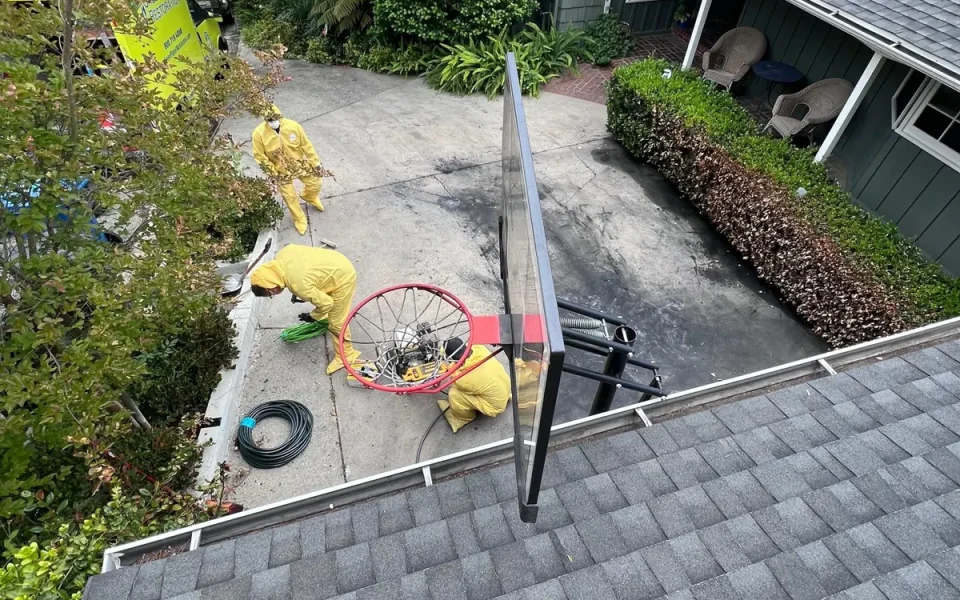
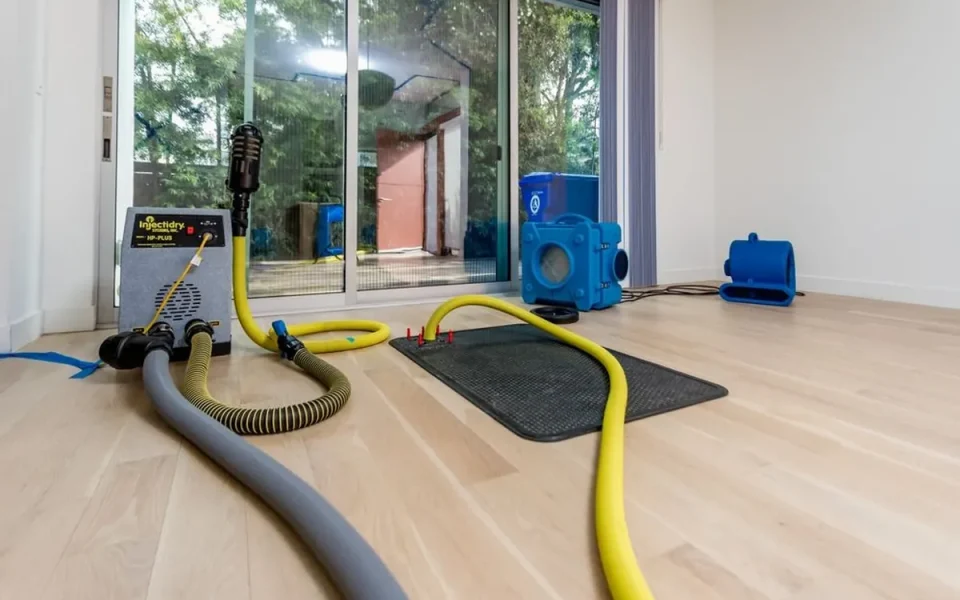
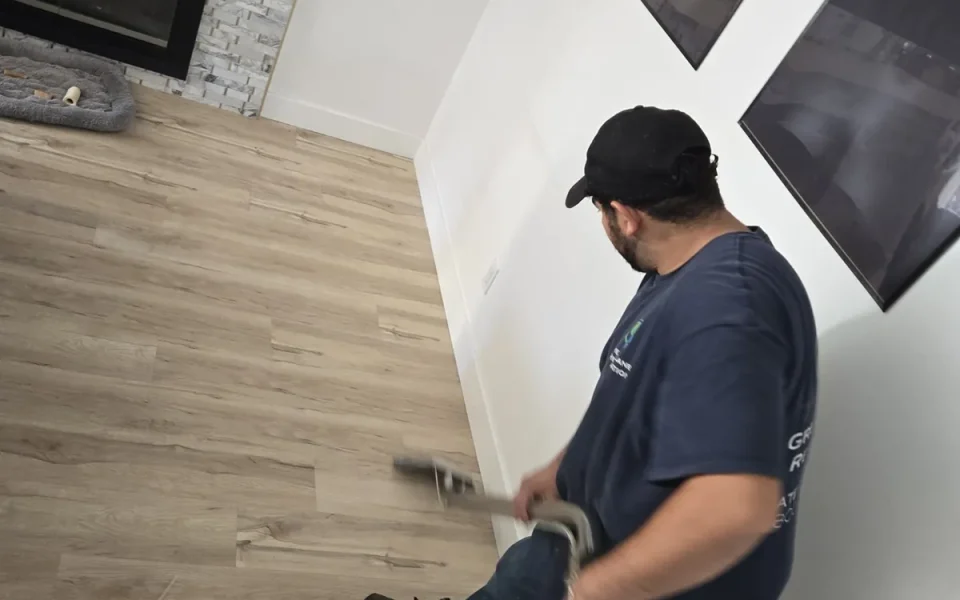
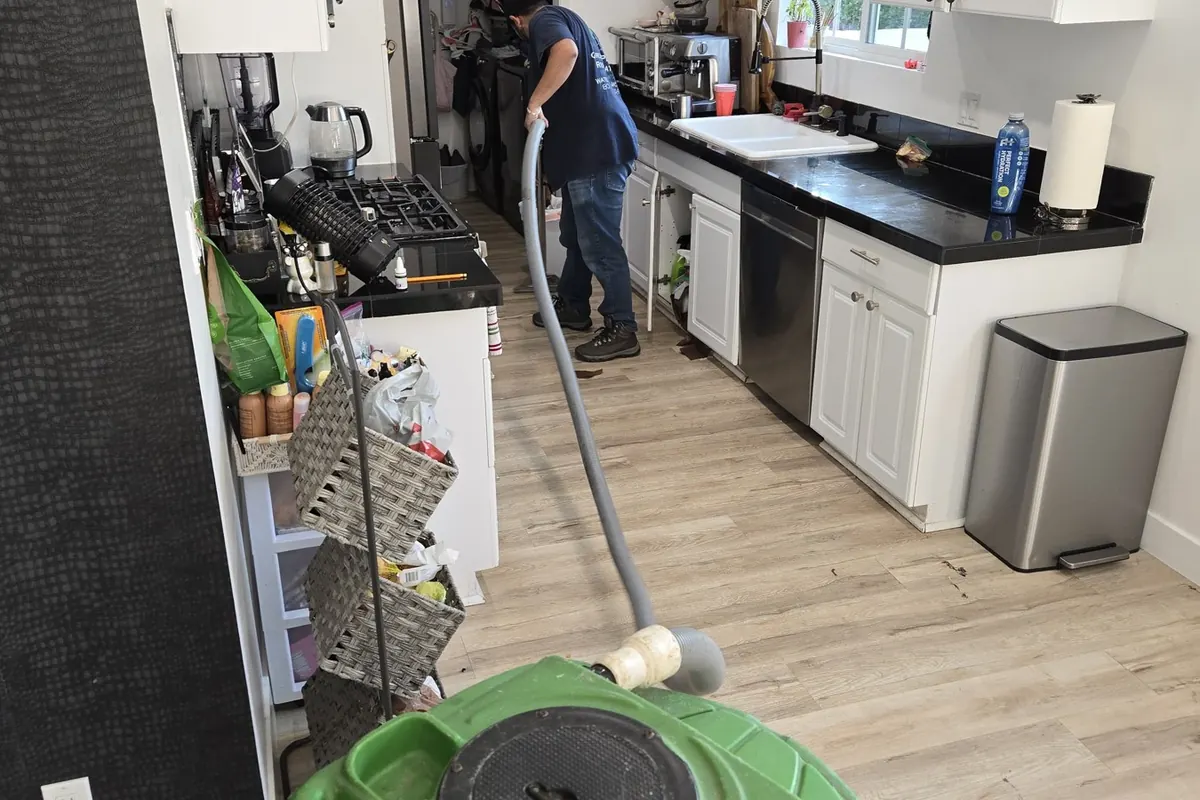
Once it’s safe to go back in, the crews of Efraim Haim, CEO of Green Planet Restoration, recommend starting the drying the same day if possible. Pull up wet rugs, open cabinet doors, and get air moving. Then have the walls and subfloor checked with a moisture meter, because surfaces that feel dry can still hold enough water to grow mold behind the paint. If water came in from the street, our team treats it as contaminated and removes porous materials it touched rather than trying to save them.
Insurance and documentation tips
Start the paper trail before cleanup. Take wide shots of each room, close-ups of the water line on walls, and photos of serial numbers on damaged appliances. Keep receipts for fans, hotel stays and anything you buy to protect the house.
Know which policy you’re dealing with. According to FloodSmart, run by FEMA’s National Flood Insurance Program, most homeowners insurance does not cover flood damage, and only flood insurance covers rebuilding after a flood. Water that enters from rising surface runoff is usually handled differently from a burst pipe, so call your agent early and ask how your claim will be classified. Efraim Haim’s team advises keeping wet materials that are removed until the adjuster has seen them or photographed them. If you want help with the paperwork, our insurance billing team can work directly with your carrier.
Flood cleanup in Henderson and across the Las Vegas Valley
Many valley homes sit on concrete slabs behind block walls, and that combination traps water. Runoff that pools against a wall in Henderson, Green Valley or Spring Valley often finds its way under a slider or a garage door and spreads beneath laminate and carpet where you can’t see it. Homes near washes in North Las Vegas and Summerlin face the same problem when channels run full. Desert air dries surfaces quickly, which can fool people into thinking the job is done while the slab and bottom plates stay wet. If your home took on water over the weekend, our local crew handles water damage restoration in Las Vegas and Henderson around the clock. Call (702) 714-7873 for an inspection.
For more on what to expect, see our guides to flood damage restoration, storm damage restoration and mold remediation if growth shows up in the weeks after a flood.
References
- Aizenberg, T. (2026, November 1). Severe thunderstorm warning issued for Las Vegas, Henderson and Harry Reid Airport. FOX5 Vegas. https://www.fox5vegas.com/2026/11/01/severe-thunderstorm-warning-issued-las-vegas-henderson-harry-reid-airport/
- Federal Emergency Management Agency. (n.d.). FloodSmart: The National Flood Insurance Program. FloodSmart. https://www.floodsmart.gov/
- KTNV Staff. (2026, October 30). Flooding leads to three water rescues in Henderson, one fatal. KTNV Channel 13 Las Vegas. https://www.ktnv.com/news/flooding-leads-to-three-water-rescues-in-henderson-one-fatal
- National Weather Service. (n.d.). Turn around don’t drown. NOAA. https://www.weather.gov/safety/flood-turn-around-dont-drown
- Ready.gov. (2024, October 17). Floods. U.S. Department of Homeland Security. https://www.ready.gov/floods
- Verastigue, J. (2026, October 30). 1 dead after Henderson Fire crews respond to 3 water rescues. FOX5 Vegas. https://www.fox5vegas.com/2026/10/31/1-dead-after-henderson-fire-crews-respond-3-water-rescues/
Featured image: Green Planet Restoration photo.
We find the damage, dry or clean the structure and repair it. On site in about 45 minutes, 24/7.

Our articles are written and reviewed by the crews who handle water, fire and mold damage every day across Southern California, Seattle, Miami-Dade and Las Vegas. About us