
Florida’s flood emergency now covers 14 counties. On November 4, Gov. Ron DeSantis signed Executive Order 26-228, adding Palm Beach, Glades, Hendry, Okeechobee, Lake, Seminole and Volusia counties to the seven named on November 2: Brevard, DeSoto, Hardee, Highlands, Indian River, Martin and St. Lucie.
The order says parts of Palm Beach County, including Riviera Beach, took more than 19 inches of rain within 12 hours. In Brevard County, more than two feet fell during the storm, WKMG News 6 reported. Palm Bay officials reported two flood-related deaths, and rescue crews pulled more than 60 people out of flooded homes and cars in Brevard County, WSVN 7News reported.
What happened between October 31 and November 4
A slow-moving low parked over the region and dumped rain from October 31 through November 2, according to the governor’s first order. Palm Bay saw about 20 inches. Some residents there reported as much as five feet of water inside their homes, Insurance Journal reported.
Riviera Beach declared its own local emergency. Mayor Douglas Lawson told WSVN, “It’s been devastation for our community.”
The water isn’t done moving. Runoff from Brevard is draining into the southern St. Johns River, which flows north through Seminole, Lake and Volusia counties. The state’s order cites National Weather Service forecasts of minor to moderate river flooding that could last several weeks.
What this means for flooded homes
Floodwater is not clean water. It carries sewage, fuel and lawn chemicals, and the WSVN report noted wastewater backing up into homes. Anything porous that soaked in it (drywall, insulation, carpet and pad, upholstered furniture) usually has to go.
Mold is the second clock. The EPA says wet materials should be dried or removed within 24 to 48 hours to limit mold growth. In South Florida’s November humidity, walls that look dry on the surface can stay wet inside for days.
Infographic
First 48 hours after a flood
- 1Stay safe firstDon’t walk or drive through floodwater. Shut off power if water reached outlets.
- 2Photograph everythingWater lines on walls, damaged items, serial numbers. Before you move anything.
- 3Call your insurerFlood damage is usually a separate flood policy, not standard homeowners coverage.
- 4Dry within 24 to 48 hoursRemove soaked drywall, carpet and insulation. Run dehumidifiers to stop mold.
What homeowners should do now
Ready.gov advises staying out of floodwater, returning home only when officials say it’s safe, and avoiding any building with standing water if the power may still be on. Wear rubber boots, gloves and an N95 mask when you start cleanup.
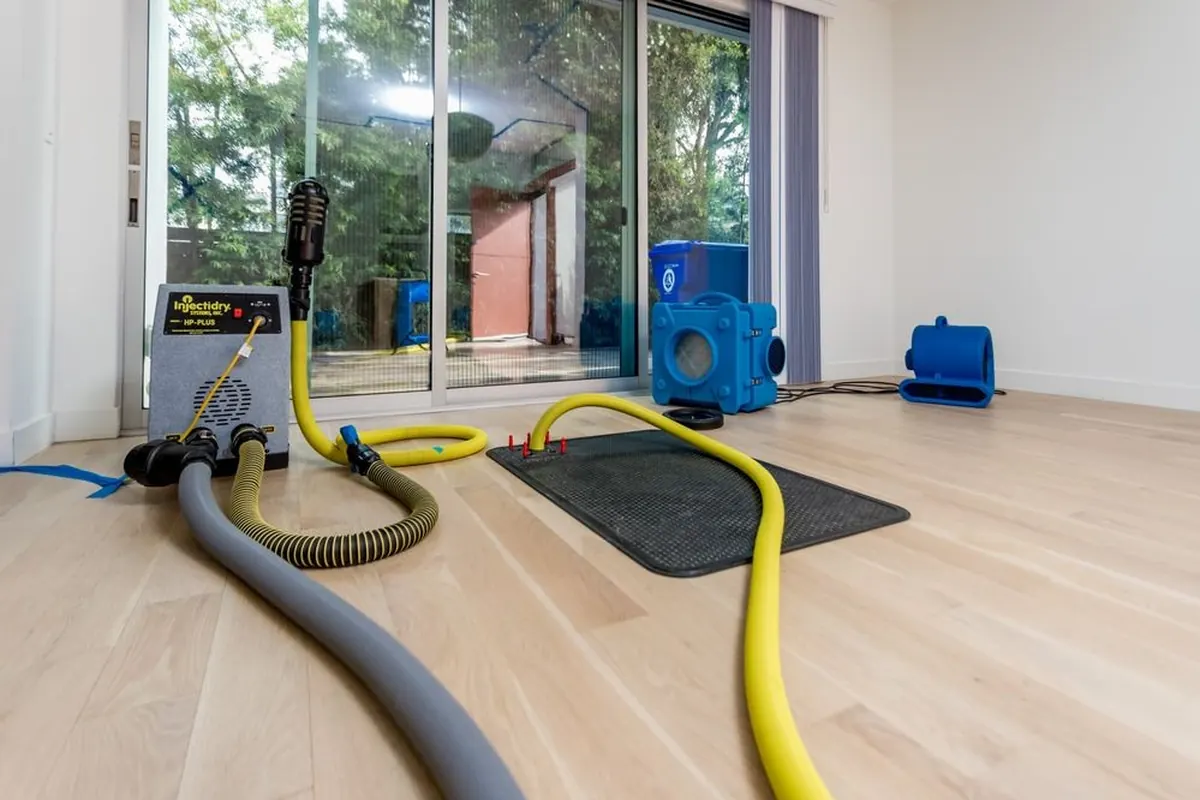
GPR’s team, led by Efraim Haim, CEO of Green Planet Restoration, tells homeowners to check moisture behind baseboards and inside lower wall cavities before deciding a room is dry. A moisture meter or thermal camera finds what your hand can’t. Opening the bottom two feet of drywall after a few inches of floodwater is often faster than waiting for mold to show up later.
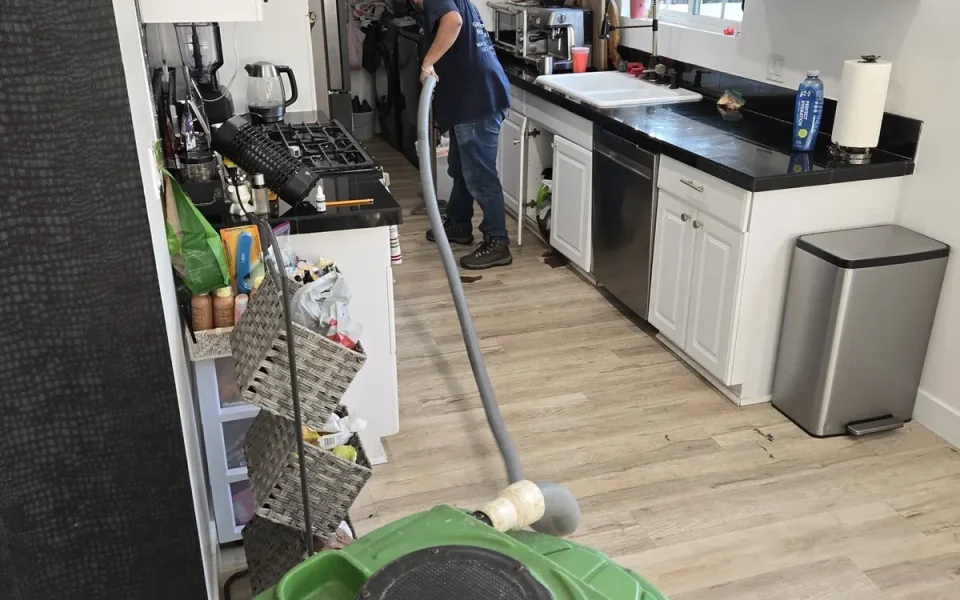
If sewage came in, treat the whole affected area as contaminated. Our sewage cleanup crews remove and disinfect under containment, and our flood and water damage restoration team handles extraction and structural drying.
Insurance and documentation tips
Standard homeowners policies generally exclude flood. Coverage usually comes from a separate policy through the National Flood Insurance Program or a private flood carrier. Only 16% of Florida households carry flood insurance, according to AM Best figures cited by Insurance Journal, and analyst Christopher Graham told Insurance Journal that “many homes with insurance are also underinsured.”
- Take photos and video of every room before cleanup starts.
- Keep samples of carpet and flooring you tear out, and list every item you throw away.
- Save receipts for fans, dehumidifiers, hotel stays and repairs.
- Write down every call with your insurer: date, name and claim number.
Efraim Haim’s crews document moisture readings and drying logs the way adjusters expect to see them. If you’d rather not deal with the paperwork, our insurance billing team can work with your carrier directly. Our post on whether to file a water damage claim covers the decision in more detail.
Flooding near Fort Lauderdale and Broward County
Broward County sits just south of Palm Beach County, and many of its neighborhoods share the same problem: flat land, canals that back up during heavy rain and a water table that sits close to the surface. A lot of the housing stock is older concrete block on slab, often with terrazzo or tile floors. Those floors hide water well. Moisture wicks into drywall and baseboards from below, and in our humid climate mold can follow within days.
Our Florida crew works out of Lauderhill and handles water damage restoration in Fort Lauderdale, Miami-Dade and the surrounding area, including free inspections and 24/7 dispatch. Call (305) 707-6070 if water reached your floors or walls. You can also read our guide to storm damage restoration.
References
- Federal Emergency Management Agency. (n.d.). FloodSmart: National Flood Insurance Program. FEMA. https://www.floodsmart.gov/
- Florida Executive Office of the Governor. (2026, November 4). Executive Order 26-228: Emergency management, amending Executive Order 26-227, 2026 fall flooding. Florida Division of Emergency Management. https://www.floridadisaster.org/globalassets/hazards-and-weather/flooding/eo-26-228.pdf
- Insurance Journal. (2026, November 4). State of emergency declared after flooding, two deaths on Florida’s east coast. Insurance Journal. https://www.insurancejournal.com/news/southeast/2026/11/04/891513.htm
- Jones, T., & Fernandez de Cueto, I. (2026, November 3). Severe flooding hits areas in Central, South Florida; state of emergency declared in 7 counties. WSVN 7News. https://wsvn.com/news/local/florida/florida-flash-flood-emergency/
- Ready.gov. (n.d.). Floods. U.S. Department of Homeland Security. https://www.ready.gov/floods
- U.S. Environmental Protection Agency. (n.d.). Flood cleanup to protect indoor air quality. EPA. https://www.epa.gov/mold/flood-cleanup-protect-indoor-air-quality
- Zizo, C. (2026, November 4). Florida flooding state of emergency expands to Lake, Seminole and Volusia counties. WKMG News 6 ClickOrlando. https://www.clickorlando.com/weather/2026/11/04/florida-flooding-state-of-emergency-expands-to-lake-seminole-and-volusia-counties/
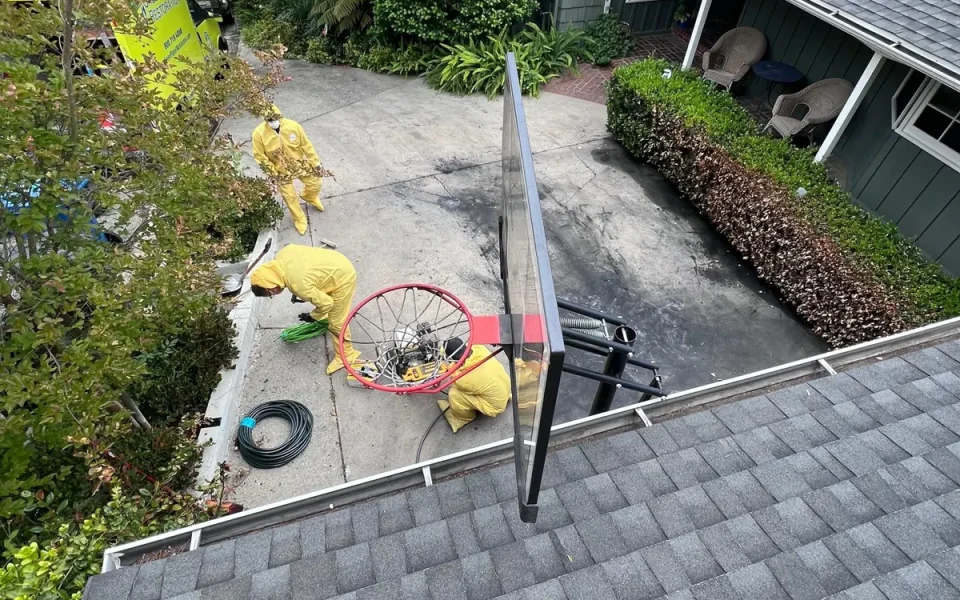
Featured image: Green Planet Restoration photo.
We find the damage, dry or clean the structure and repair it. On site in about 45 minutes, 24/7.

Our articles are written and reviewed by the crews who handle water, fire and mold damage every day across Southern California, Seattle, Miami-Dade and Las Vegas. About us