
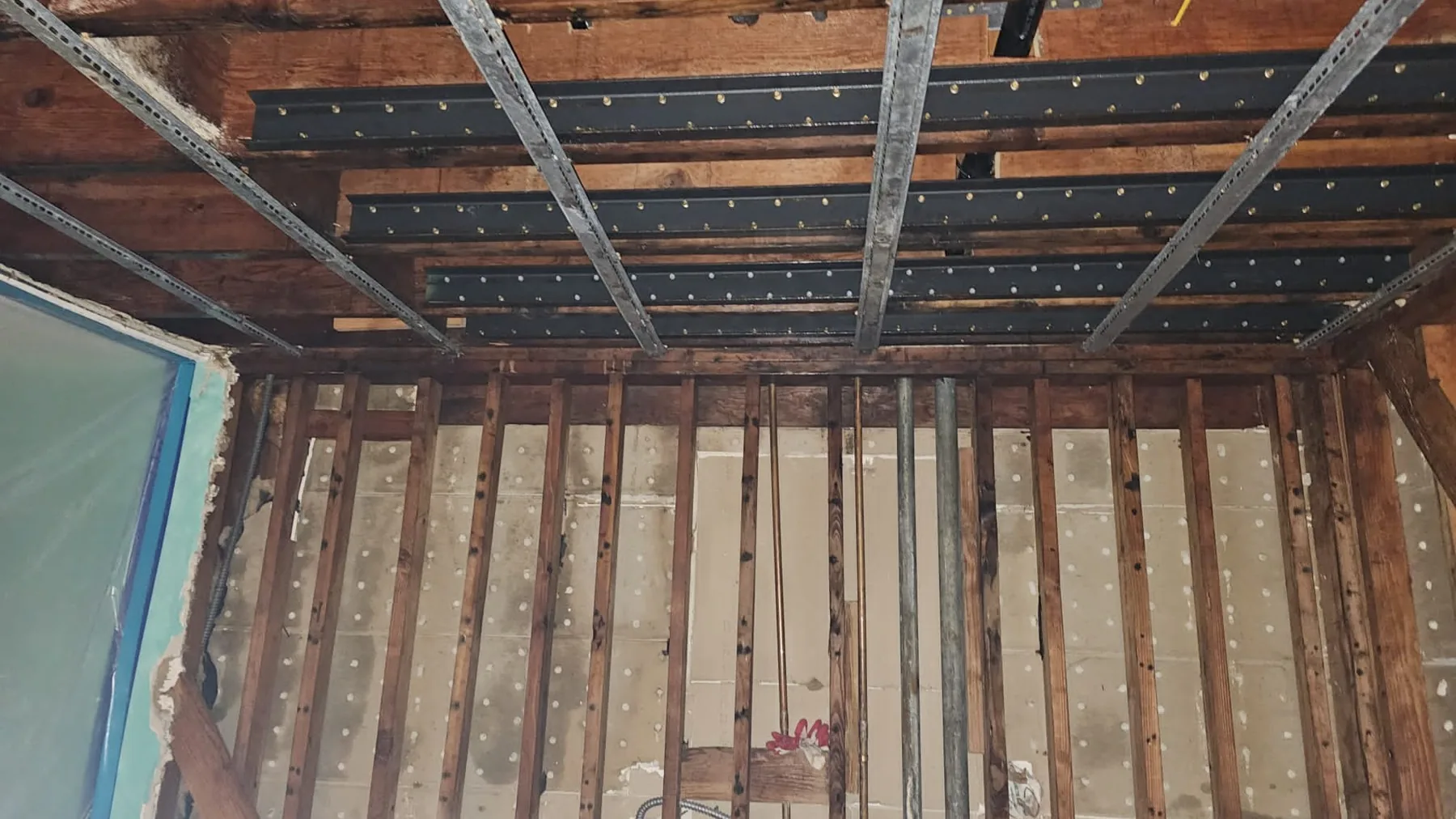
Flash floods & storm runoff
Heavy rain overwhelms gutters, storm drains and dry washes, and water finds the lowest door into the house.
Storm runoff, flash floods and rising water
Floodwater comes in from outside, and it brings soil, sewage and chemicals with it. We pump it out, cut away what can't be saved, disinfect the structure, dry it to verified readings and rebuild, with every step documented for your flood claim.
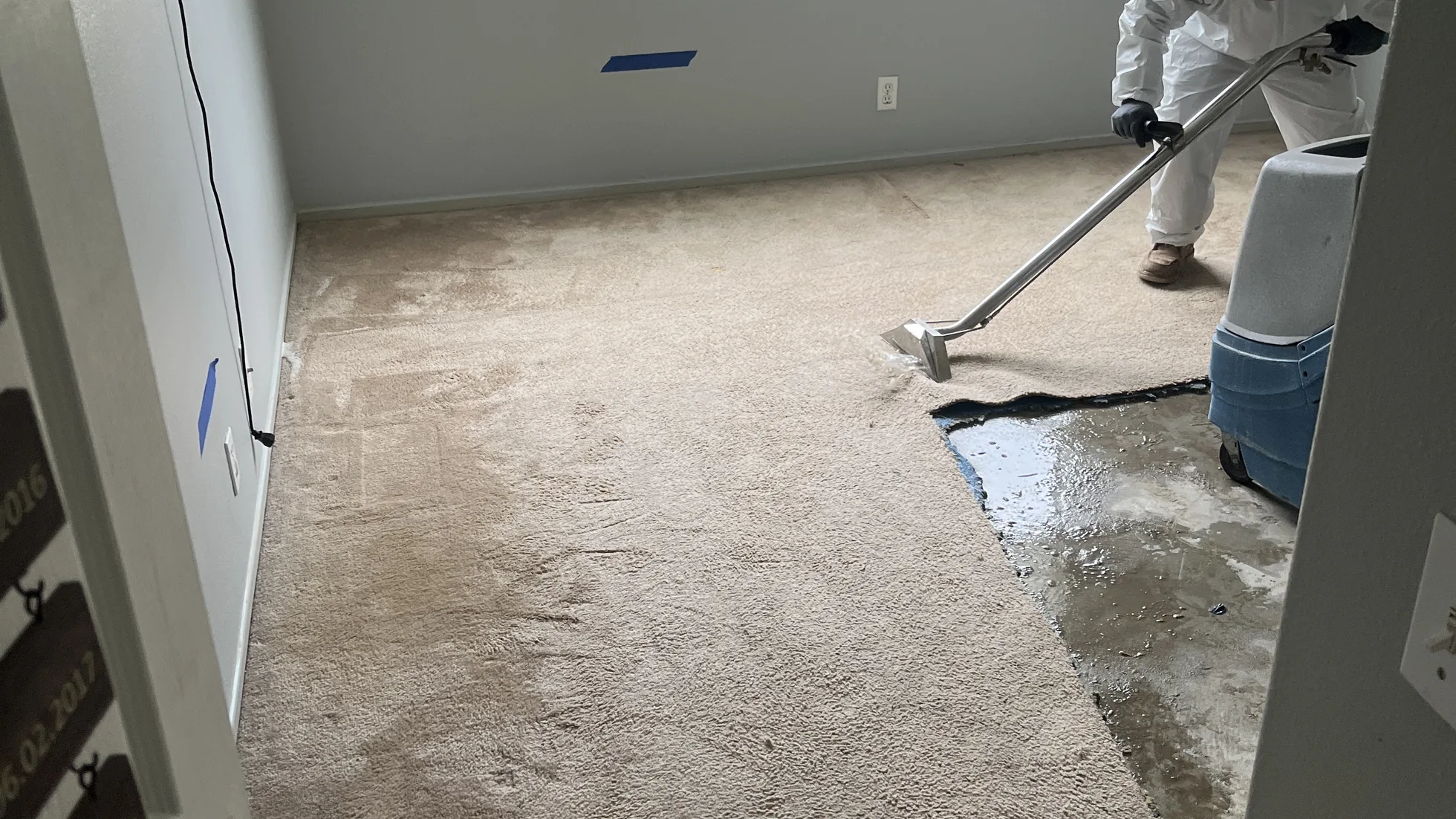
Local crews across Southern California, Florida, Washington and Nevada
Flood cleanup & restoration
A burst pipe floods a house with tap water. A flood is different. Water that ran across streets, yards and storm drains carries sewage, fertilizer, motor oil and mud into your home, and the IICRC treats it as Category 3 from the moment it crosses the threshold.
That changes the job. Wet drywall that might be dried in place after a pipe leak has to come out after a flood. Carpet and pad go to the landfill. Every surface the water touched gets cleaned and disinfected before drying even starts. We do all of it, then rebuild, so you deal with one crew and one file from start to finish.
Stay out of standing water until the power is off. If you can't reach the breaker panel without stepping in water, call the utility and wait for us outside.
Tell us what happened. We'll call you back and send a crew.
Water still coming in? Call (800) 719-4808 for the fastest dispatch.
Your information is secure and never shared.
What we respond to
Our branches see different floods. Burn-scar mudflows in Southern California, king tides in South Florida, atmospheric rivers around Seattle and monsoon flash floods in the Las Vegas Valley.
Heavy rain overwhelms gutters, storm drains and dry washes, and water finds the lowest door into the house.
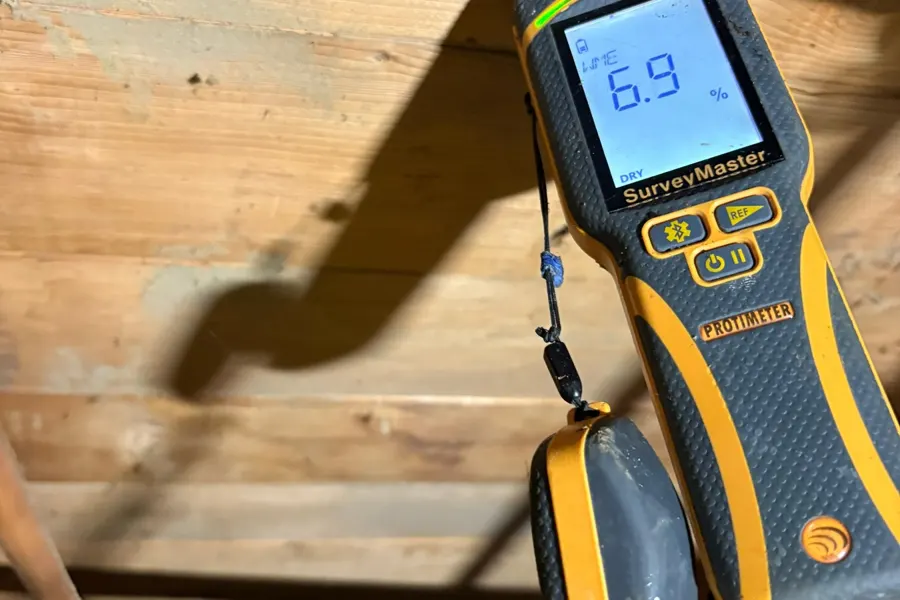
Days of rain push the water table up into crawl spaces, basements and slab cracks, often with no visible source.
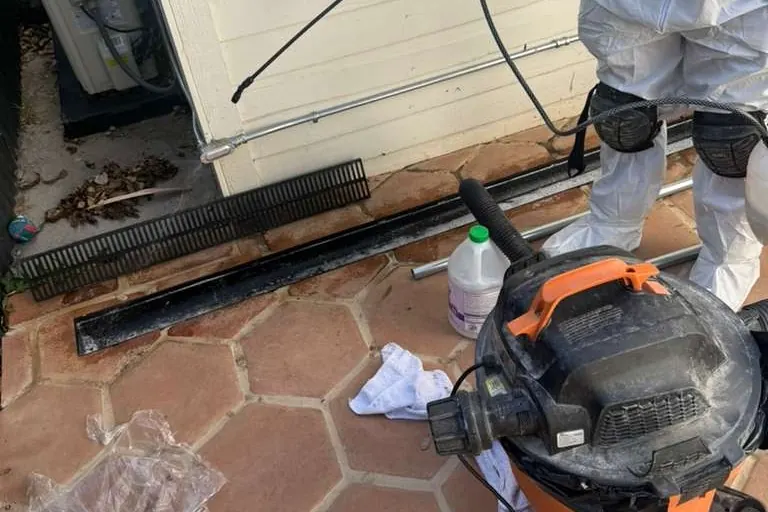
Burned hillsides can't absorb rain. Mud and debris slide downhill and pile against walls, doors and garages.
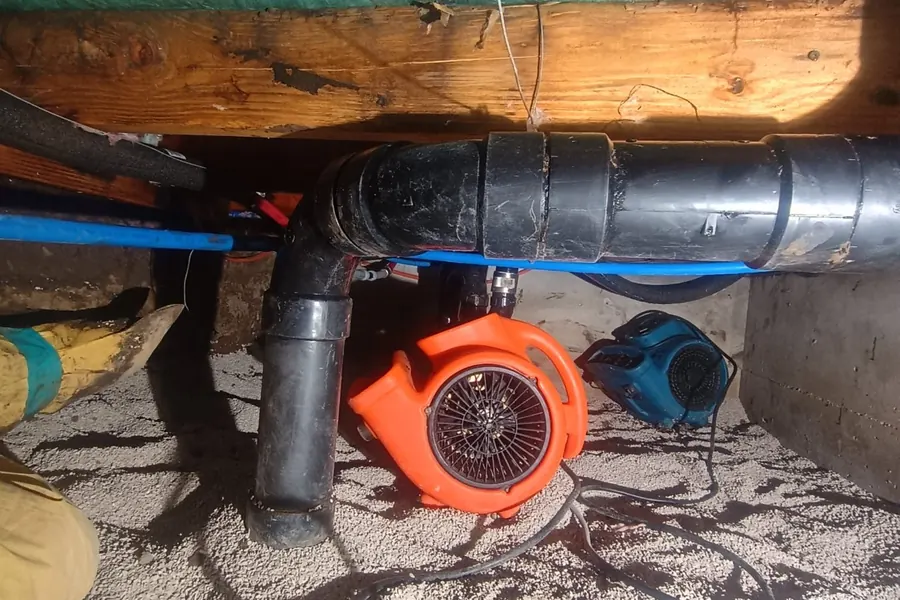
When city lines surcharge in a storm, sewage can push up through floor drains, showers and toilets.
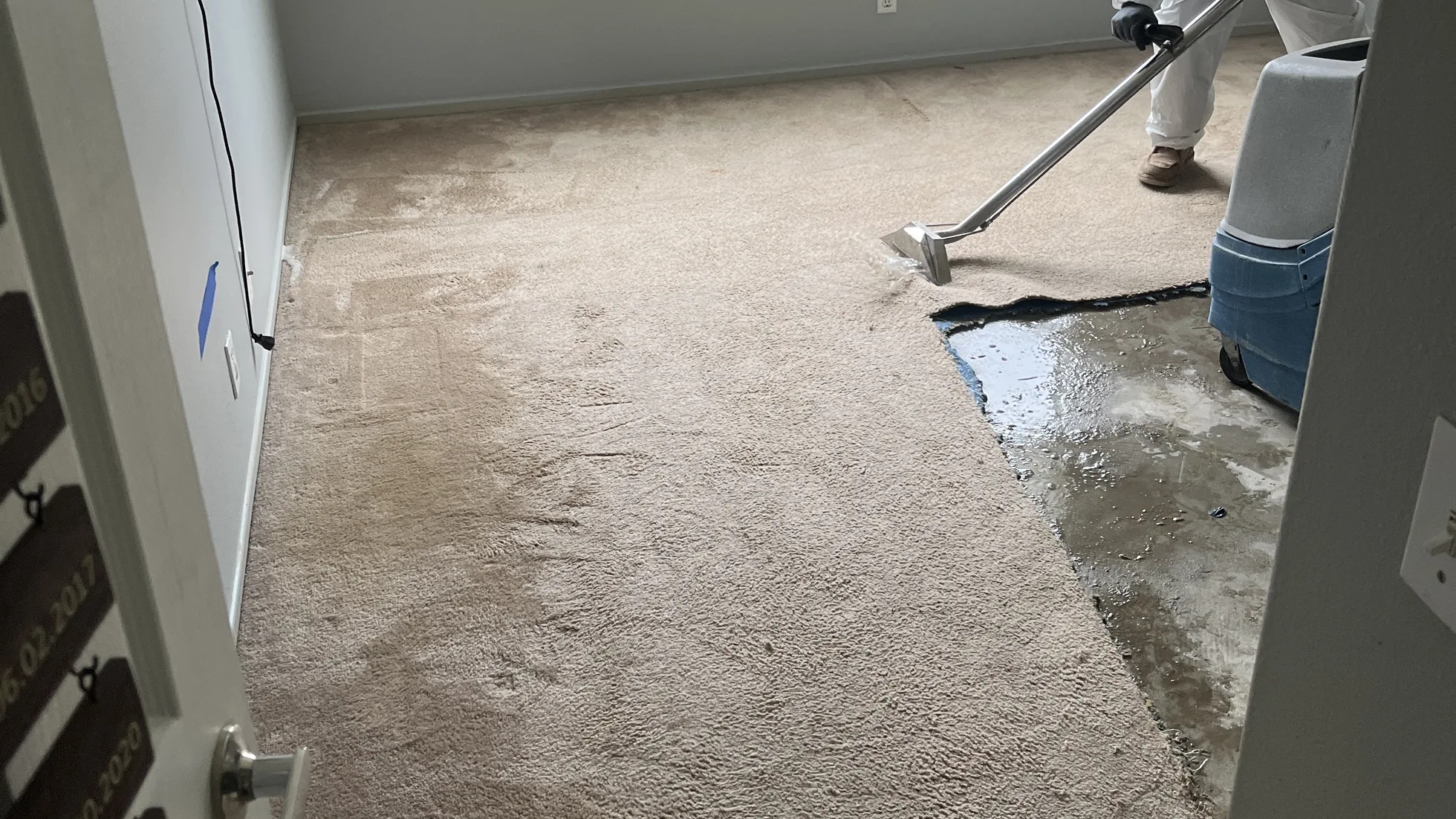
Storm surge and king tides bring salt water into ground floors and garages. Salt keeps pulling moisture back in if it isn't rinsed out.
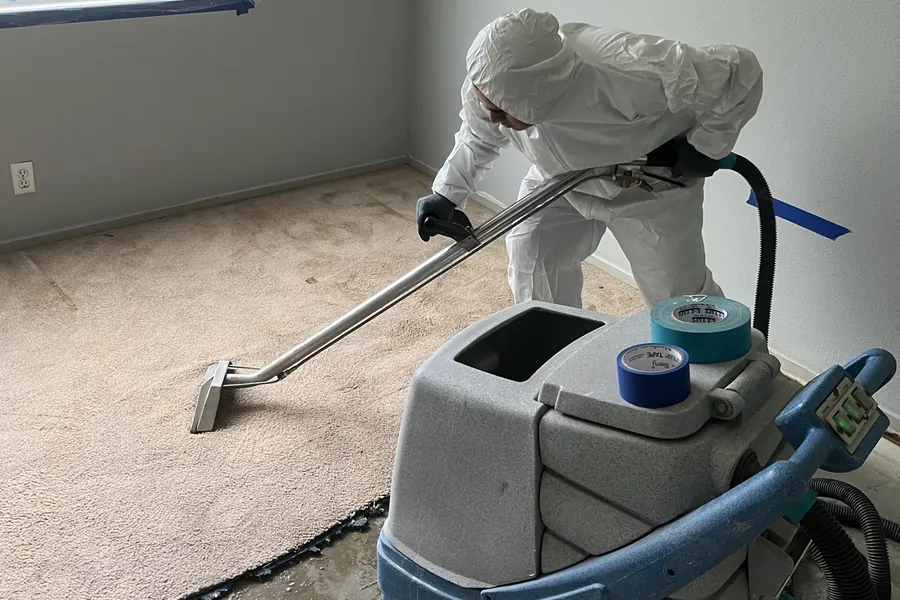
Garages, laundry rooms and first-floor units sit lowest and fill first, usually with stored belongings in the way.
Why flood cleanup is different
Under the IICRC S500 standard, water from outside the building that flows over the ground is Category 3. It doesn't matter how clear it looks. These three hazards are why.
From: overflowing sewer lines, septic systems, animal waste in yards.
Bacteria and viruses soak into anything porous. You can't wash them out of drywall or carpet pad.
Remove porous materials, disinfect the rest
From: street runoff, garages, pesticides, pool and garden chemicals.
Oil sheens, solvents and fertilizer leave residue and odor long after the water drains.
Clean, rinse and deodorize hard surfaces
From: hillsides, yards, construction sites and burn areas.
Mud packs into wall cavities, ducts and under cabinets, holding moisture and feeding mold.
Shovel out, pressure-clean, then dry
How it works
Six steps, in this order on every flood job. Skipping the cleaning to start drying sooner just dries the contamination into the walls.
We confirm the power is off, check for gas smells and look for sagging ceilings or undermined floors.
Pumps and truck-mounted extractors remove standing water. Mud and silt get shoveled and hauled.
Wet drywall and insulation are cut out, usually 12 to 24 inches above the highest water mark.
Studs, slab and subfloor are scrubbed, rinsed and treated with EPA-registered disinfectant.
Air movers, dehumidifiers and HEPA scrubbers run until framing and slab read dry.
Insulation, drywall, flooring, cabinets and paint, handled by our own reconstruction team.
Tear-out decisions
After Category 3 water, the rule is simple: if it soaks up water and can't be fully disinfected, it goes. Here's how that plays out room by room.
| Usually removed | Usually saved | |
|---|---|---|
| Walls | Drywall and insulation below the flood cut | Wood and metal studs, after cleaning and drying |
| Floors | Carpet, pad, laminate and most engineered wood | Concrete slab, ceramic and porcelain tile |
| Cabinets | Particleboard and MDF boxes, toe kicks | Solid wood doors and stone countertops |
| Furniture | Upholstered pieces and mattresses | Solid wood and metal, cleaned and dried |
| Belongings | Soft toys, food, cosmetics, porous items | Photos and documents, often by freeze-drying |
| HVAC | Ductwork and insulation that sat in water | Equipment, after a technician inspects it |
Don't throw anything out before it's photographed and listed. Your adjuster needs to see what was lost, and we can pack out and store what's worth saving through our pack-out service.
Flood extraction & drying
Flood jobs run bigger than a typical leak: more water, more mud and contaminated air while the tear-out happens. This is what we bring.
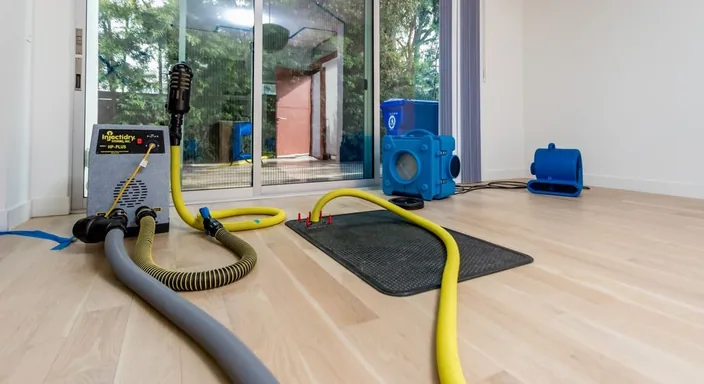
Trash pumps for deep standing water, truck-mounted units for what's left in flooring and on the slab.
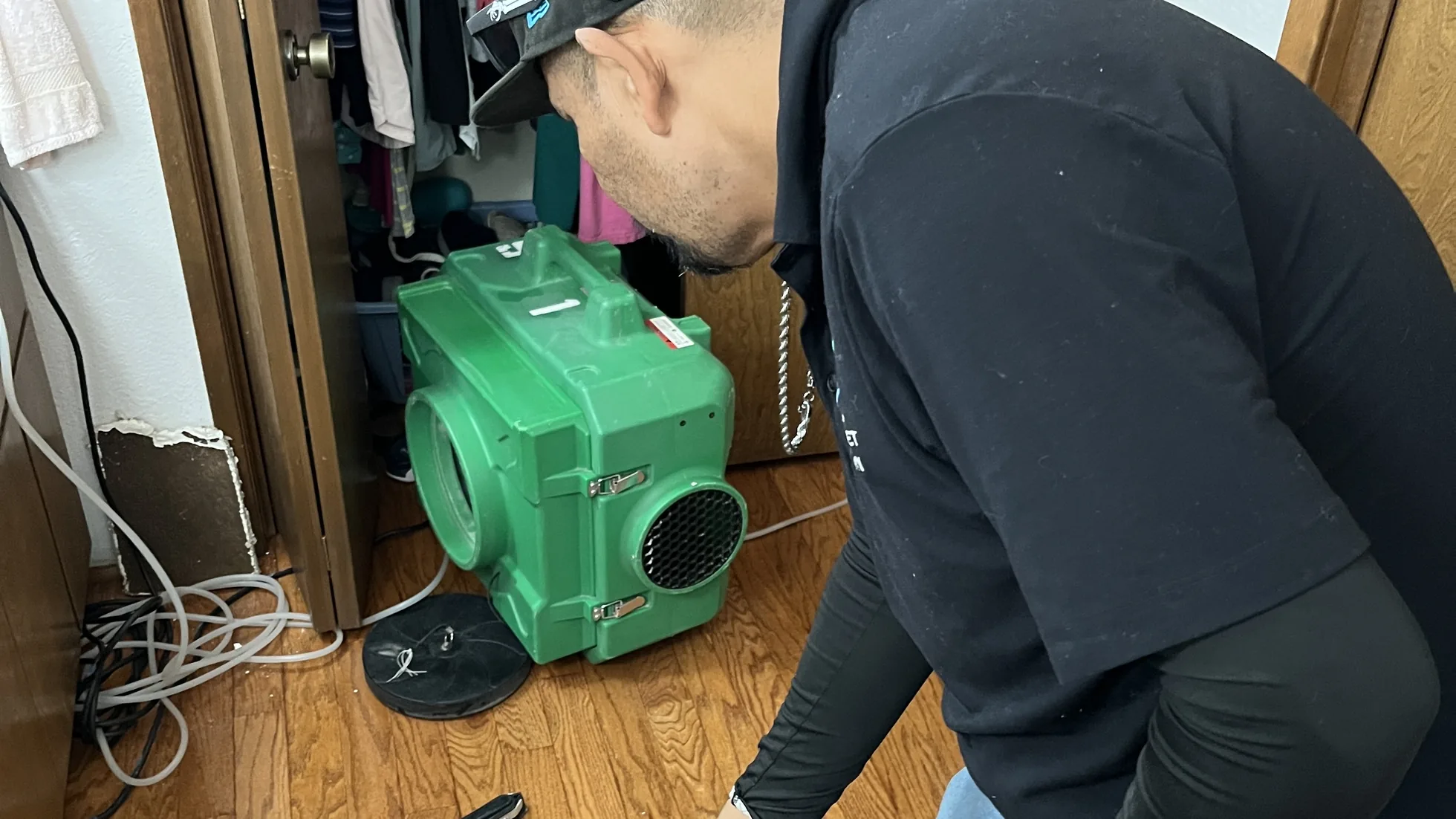
Filter dust, mold spores and bacteria kicked up while contaminated drywall and flooring come out.
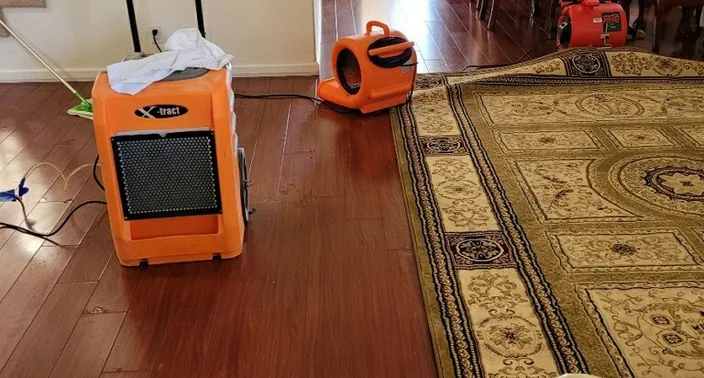
Pull moisture out of the air so framing and slab can give up the water they absorbed.
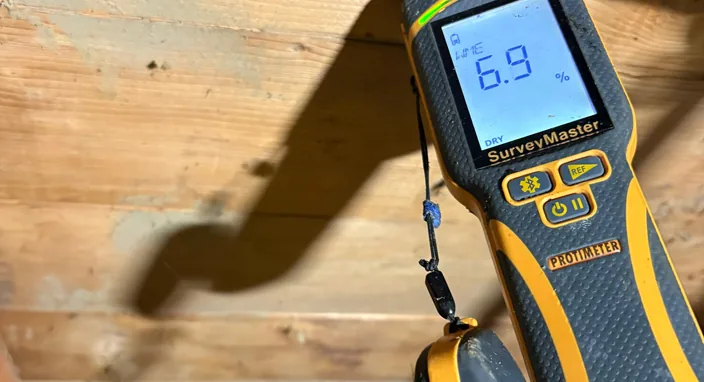
Show how far water wicked up the walls and confirm when the structure is ready to close up.
Why speed matters
The water drains in a day. These problems show up over the following weeks when a flooded house is only dried and not cleaned out.
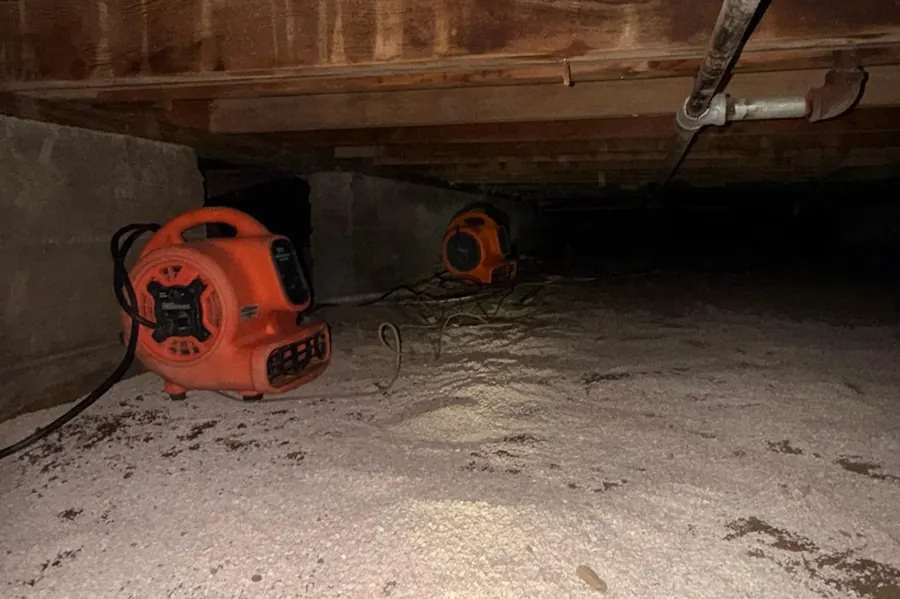 AI job photo
Mold can start within 24 to 48 hours on wet drywall, insulation and wood, often inside the wall where nobody sees it.
 AI job photo
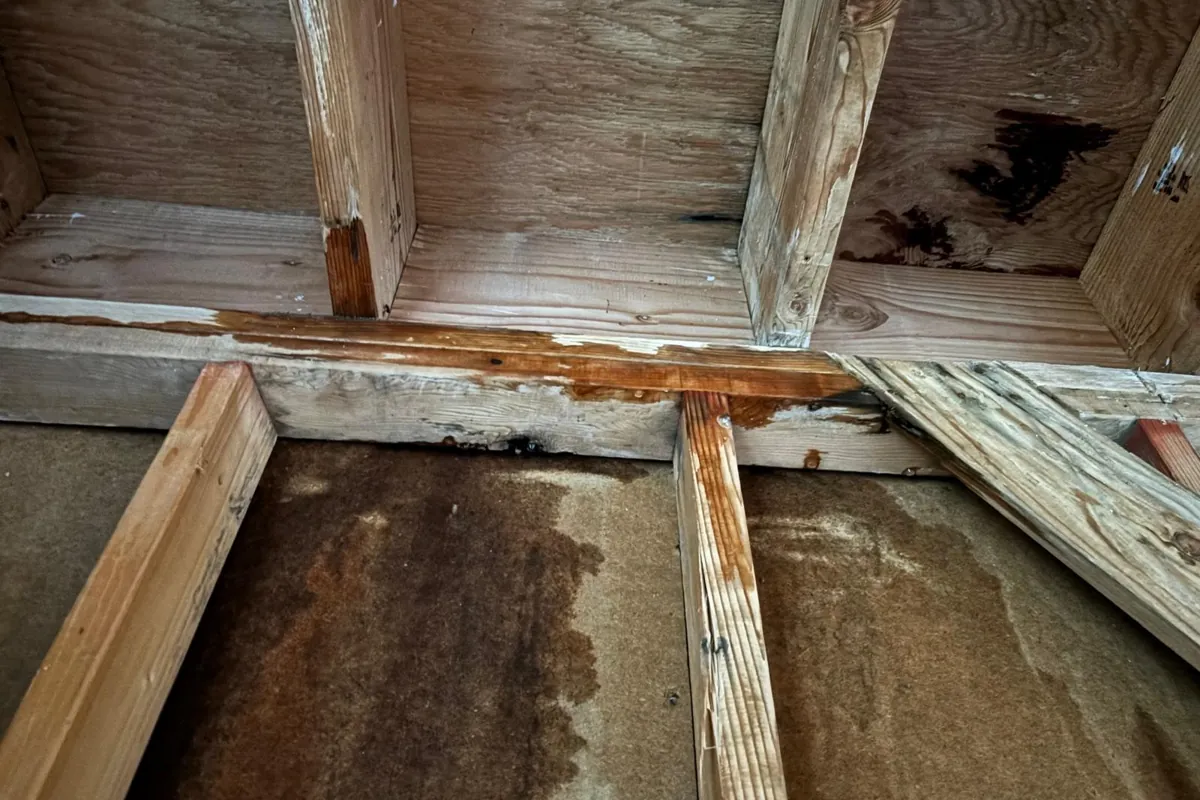
Sill plates, joists and subfloor that stay damp soften and lose strength, which turns a cleanup into structural repair.
 AI job photo
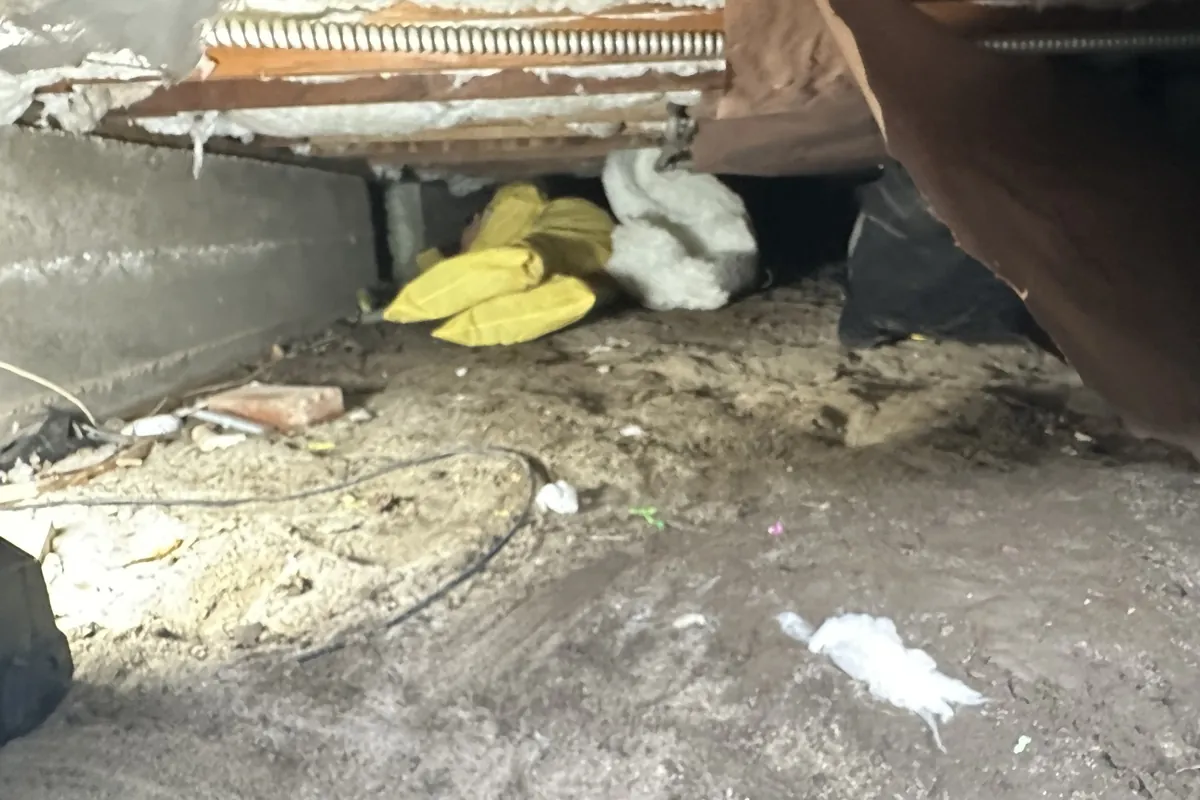
Wet insulation holds water against the framing for weeks and never gets its insulating value back. It has to be replaced.
Flood insurance claims
Standard homeowners and renters policies exclude flood. Damage from surface water, overflowing waterways and mudflow is covered by a separate flood policy, either through FEMA's National Flood Insurance Program (NFIP) or a private carrier. The claim process has its own forms and deadlines, so documentation from day one matters.
Water line measurements, photos of every room and an itemized list of discarded materials.
An itemized estimate in the format flood adjusters use, so it can be reviewed without back-and-forth.
Moisture logs, drying records and progress photos, shared directly with your carrier.
Including:
Report the loss to your flood carrier as soon as you can. Mitigation can start right away; you don't have to wait for the adjuster to visit.
Case studies
Typical flood jobs and how we handled them, from a flooded garage to a mud-out.
Sample scenario · Southern California
Storm runoff came under the garage door and into the laundry room. We pumped it out, pulled the lower drywall, disinfected the slab and dried both rooms before the rebuild.
Sample scenario · Greater Seattle
A week of rain raised the water table and flooded the crawl space. We extracted, removed the wet insulation and vapor barrier, treated the framing and dried it to target readings.
Sample scenario
Rain on a burned hillside sent mud through a rear slider. Crews shoveled out the silt, cut the walls, pressure-cleaned the framing and dried the room under HEPA filtration.
Frequently asked questions
Insurers draw the line by where the water came from. Water damage starts inside the building, like a burst pipe or a failed water heater. Flood damage is surface water from outside, such as storm runoff, overflowing creeks, mudflow or storm surge. The cleanup is different too, because floodwater is treated as Category 3 contaminated water.
Usually not. Standard homeowners and renters policies exclude flood. You need a separate flood policy through the National Flood Insurance Program (NFIP) or a private flood carrier. New NFIP policies generally have a 30-day waiting period, so coverage bought after a storm warning won't apply to that storm.
It can be. Floodwater can carry sewage, bacteria, fuel and chemicals, and it hides hazards like live wiring and broken glass. Wear boots and gloves if you have to go in, keep children and pets out, and leave the tear-out and disinfection to a crew with protective gear.
Not below the water line. Drywall and insulation that touched floodwater are removed, usually with a flood cut 12 to 24 inches above the highest water mark. The studs behind it are normally saved after they're cleaned, disinfected and dried.
Cleanup and drying on one level usually takes three to five days. A whole ground floor or a job with heavy mud can take one to two weeks. Rebuilding adds time based on how much drywall, flooring and cabinetry has to be replaced.
No. Report the claim right away, photograph everything, and start mitigation. Flood policies expect you to take reasonable steps to prevent further damage. We document the water line, removed materials and drying readings so the adjuster has a full record.
Mold can begin growing within 24 to 48 hours on wet drywall, carpet, wood and insulation. That's why removal of soaked materials and fast drying matter more after a flood than almost anything else.
Sometimes. If the flooding is limited to a garage or one area and the power is safe, many families stay. If the whole ground floor flooded, sewage was involved, or the kitchen and bathrooms are torn out, plan to stay elsewhere until drying is done.
24/7 dispatch. Category 3 cleanup. Flood claim documentation.
Where we work
Local crews in four states, each with its own team, trucks and direct line. Pick your region to find the closest branch.
See all locations or call (800) 719-4808, 24/7
Mold and structural damage can start within 24 to 48 hours of water exposure. Get a free estimate and immediate dispatch.