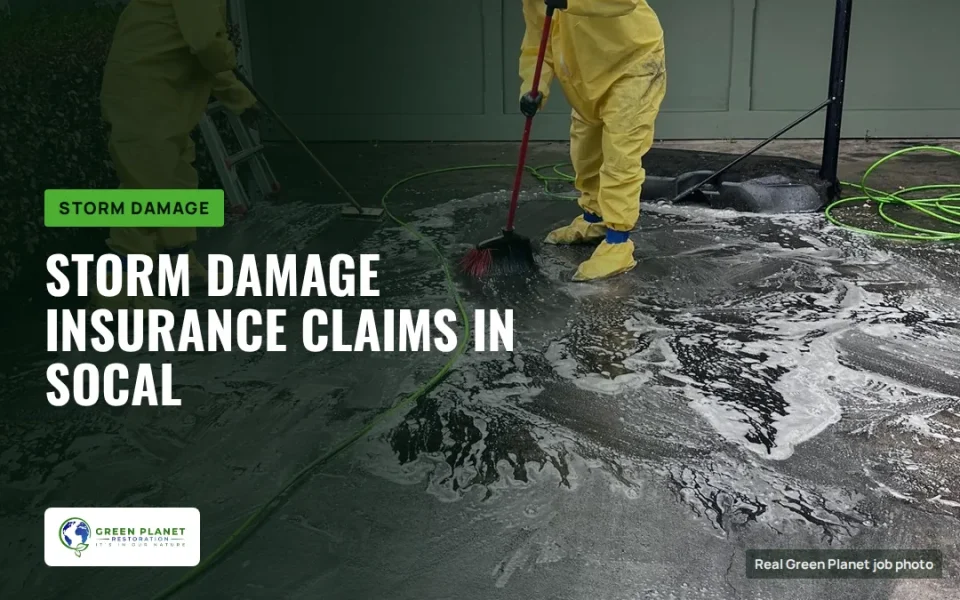

Roof damage never happens at a good time. It usually shows up during a storm, late at night or just as heavy rain starts. That’s when emergency roof tarping matters most: it’s the fastest way to stop water from pouring into the house while you arrange a real repair.
Emergency roof tarping is the installation of a heavy-duty, waterproof cover over the damaged part of a roof to keep rain out until permanent repairs can be made. It isn’t a fix. It’s protection that buys you time.
How Emergency Roof Tarping Works
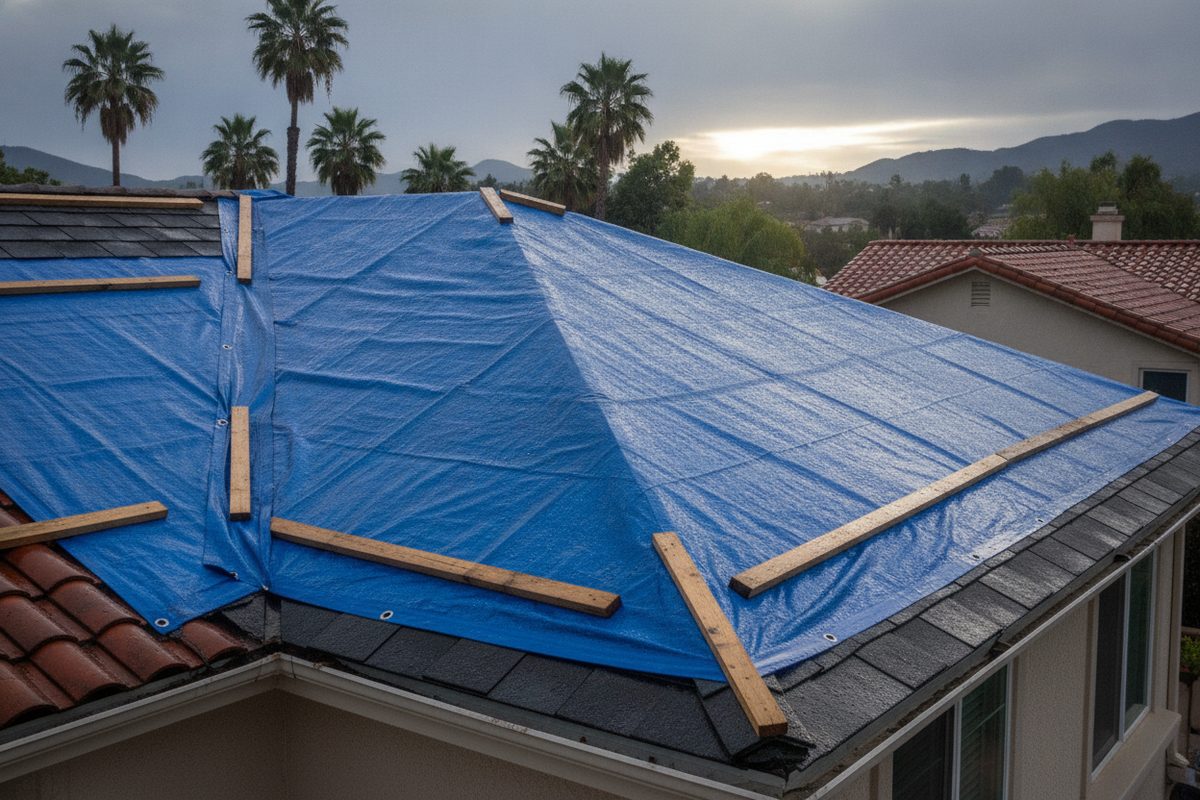
A roof tarp isn’t just a sheet tossed over a hole. Done poorly, it can trap water, blow off in the next gust or add new nail holes where there were none. FEMA describes the government’s Operation Blue Roof covering as reinforced plastic sheeting secured with wood strips, nails or screws to limit further damage until permanent repairs are made, and professional tarping follows the same basic approach.
A typical installation looks like this:
-
Check the roof for safety, including soft decking, loose shingles and structural damage.
-
Clear only the debris that’s in the way of the damaged section.
-
Lay out a heavy-duty tarp that covers the damage with generous overlap on every side.
-
Run the tarp over the ridge when possible, so water flows off instead of under it.
-
Secure the edges with wood battens or similar anchors rather than bare nails through the tarp.
-
Check for gaps and low spots where water could pool.
When Do You Need Emergency Roof Tarping?
You need a tarp any time sudden roof damage exposes the inside of the home to water. Common triggers include:
-
Strong winds that lift or tear off shingles or tiles
-
Falling branches or debris that puncture the roof
-
Hail that cracks tiles or breaks through worn shingles
-
Older roofing that fails during a heavy storm
-
Fire damage that leaves the roof deck exposed
Tarping is also the right move when a leak shows up during active rain. Water stains spreading across a ceiling, drips from light fixtures or damp attic insulation all mean water is already inside. Waiting until the storm passes lets it spread into drywall, wiring and flooring.
Emergency Roof Tarping vs. Permanent Roof Repair
A tarp and a repair do different jobs. Emergency roof tarping covers the opening to stop new water and debris from getting in. A permanent repair replaces the damaged shingles or tiles, underlayment, flashing and, if needed, decking. The tarp protects the house. The repair restores the roof.
| Emergency roof tarp | Permanent roof repair | |
|---|---|---|
| Purpose | Stop new water and debris from entering | Restore the roof’s weather protection for the long term |
| When it happens | Right after the damage, often during or between storms | After inspection, insurance review and scheduling |
| What it fixes | Nothing structural; it covers the opening | Damaged roofing, underlayment, flashing and decking |
| Who does it | Emergency restoration or tarping crew | Licensed roofing contractor |
When to Tarp First
- Rain is falling or forecast before a roofer can start.
- The damaged area is large, or a tree limb has punctured the roof.
- Water is already coming through the ceiling.
- You need time for the insurance adjuster to see the damage.
- Roofers in your area are booked out after a widespread storm.
When You Can Go Straight to Repair
If the damage is small, such as a few lifted shingles, the forecast is dry for several days, a licensed roofer can start right away and no water has entered the house, you may not need a tarp at all. Going straight to the permanent fix can save the cost of a tarp that comes off a day later. Talk to your insurer before work starts so the damage is documented first.
Infographic
First steps after storm damage to your roof
- 1Photograph the damageTake pictures before anything is covered and keep records of every cleanup and repair cost.
- 2Cover the openingReinforced plastic sheeting held down with strips of wood limits further damage until repairs.
- 3Start drying fastDry water-damaged areas and items within 24 to 48 hours to prevent mold growth.
- 4Wait for the adjusterHold off on permanent repairs until the insurance adjuster sees the damage.
- 5Check the tarpLook it over after every windy day or storm until the roof is fixed.
Why Speed Matters in Southern California
Mild weather lulls many homeowners into thinking their roofs aren’t under stress. In reality, long dry spells and strong sun dry out shingles and crack sealants, so weak spots fail fast when a big storm finally arrives.
Once water gets in, the clock starts. The EPA advises drying water-damaged areas within 24 to 48 hours to prevent mold growth. A tarp stops new water from entering so drying can begin, which keeps a roof problem from turning into a mold or storm damage restoration project.
Materials Used in Professional Tarping
Not all tarps are equal. Emergency tarping uses thick, reinforced polyethylene or vinyl that is waterproof and UV-resistant, much stronger than a light hardware-store tarp. The tarp should be big enough to cover the damage with plenty of overlap, because undersized tarps fail in wind and heavy rain.
Fastening matters just as much. Battens spread the holding force along the edges so the tarp stays tight and doesn’t tear at a few points. Avoiding exposed nail holes in vulnerable spots keeps water from getting under the cover. See the common roof tarping mistakes homeowners make for what to avoid.
Roof Tarping and Insurance Claims
Most policies expect you to take reasonable steps to prevent further damage after a covered loss. The California Department of Insurance advises homeowners to make temporary repairs to protect the property, take pictures, keep records of all cleanup and repair costs, and hold off on permanent repairs until the adjuster sees the damage.
A tarp is exactly that kind of temporary repair. Photograph the damage before the tarp goes on and after it’s installed, and keep the invoice. Coverage always depends on your policy, but documented emergency protection after a covered storm event is commonly part of the claim.
Efraim Haim, CEO of Green Planet Restoration, has his crews photograph the roof damage, the finished tarp and any water inside the home, then hand those photos over with the invoice so the adjuster can see what was done and why.
What Happens After the Tarp Goes On
The tarp stops new water, but the job isn’t finished. Next steps usually include:
-
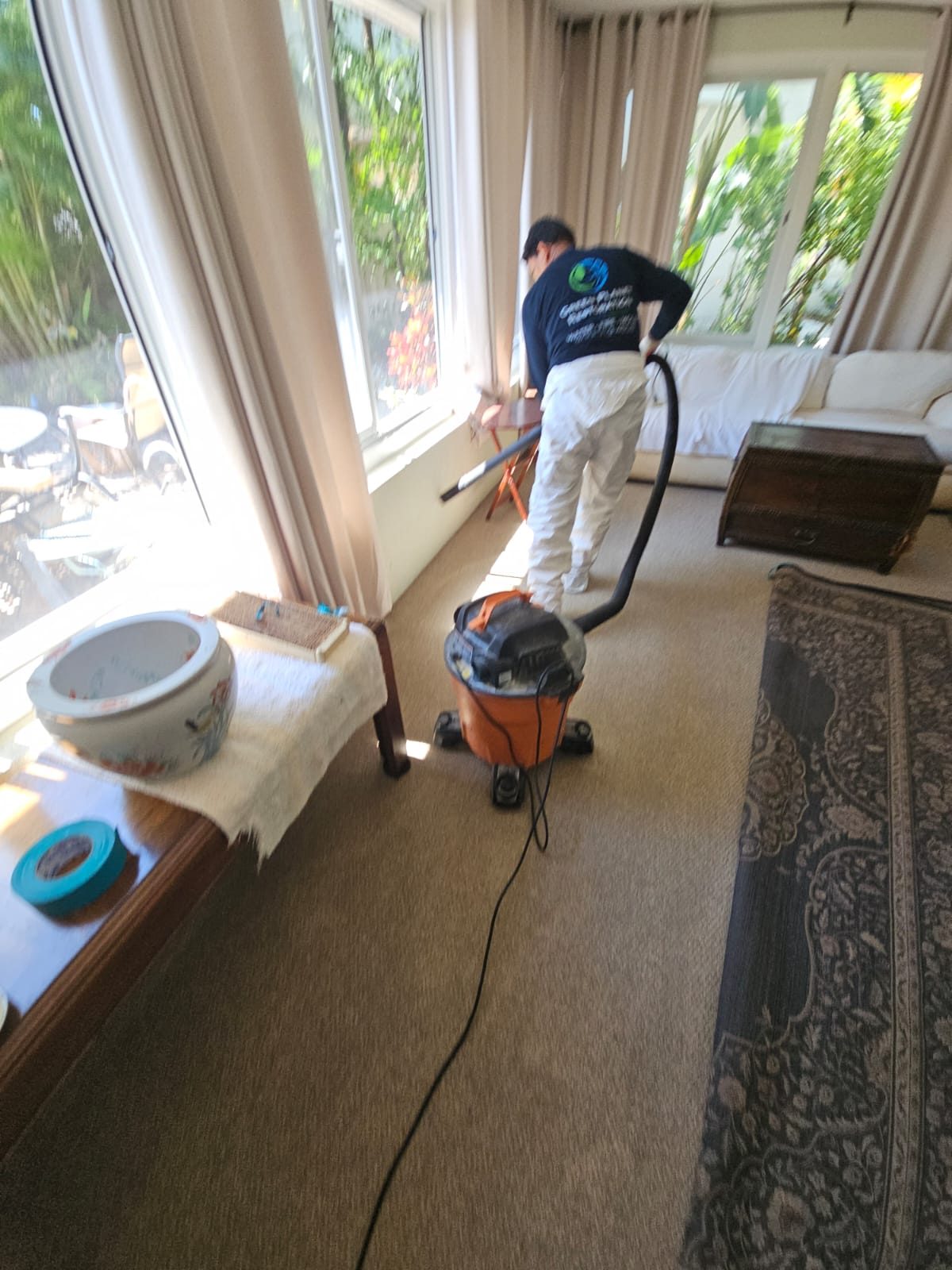
Extract any standing water and set up drying equipment inside.
-
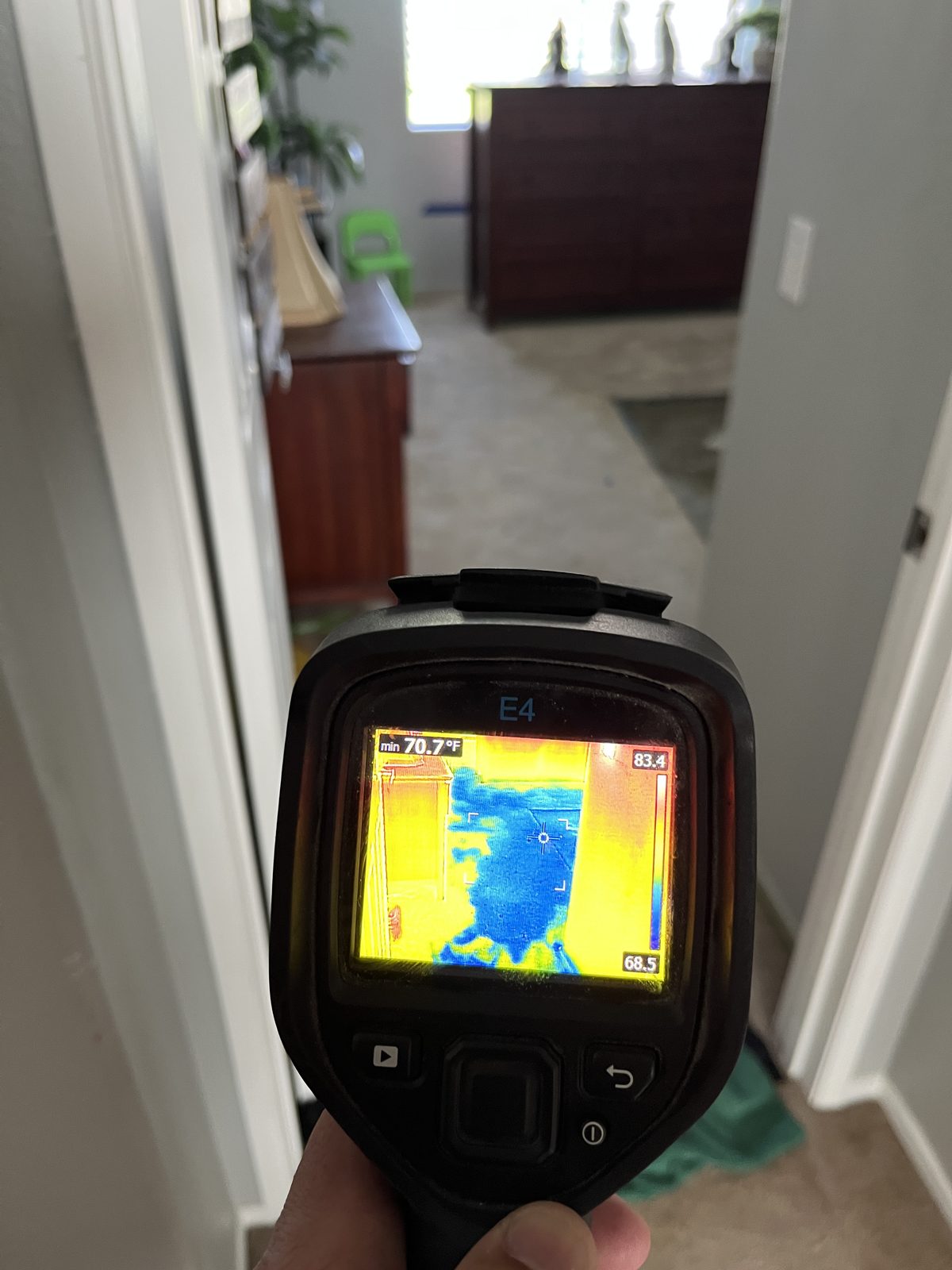
Check ceilings, walls and insulation with moisture meters to find where water traveled.
-
Report the claim and schedule the adjuster’s visit.
-
Get itemized estimates for the permanent roof repair.
-
Check the tarp after every windy day or storm until the roof is fixed.
Treat the tarp as a bridge to the real repair. The longer it stays up, the more sun and wind wear it down.
Why Professional Installation Matters
Climbing onto a wet, damaged roof is dangerous. OSHA notes that falls are among the most common causes of serious work-related injuries and deaths, even among trained workers. DIY tarping carries other risks too:
-
Wet shingles, steep slopes and loose debris make falls likely.
-
Storm damage can weaken the roof structure underfoot.
-
Water near attic wiring creates electrical hazards.
-
Poor placement lets water pool and seep deeper into the roof.
-
Loose tarps rip off in high winds and leave the roof exposed again.
-
Nailing through the tarp can create new leak points.
GPR’s team, led by Efraim Haim, advises homeowners to stay off a wet or storm-damaged roof and leave tarping to a crew with fall protection.
A tarp is meant to be temporary. To understand how long it can stay in place, read how long a roof tarp lasts.
Green Planet Restoration of LA provides emergency roof tarping service across Southern California, Washington and Florida, along with water extraction and drying if rain has already come inside.
Emergency Roof Tarping for Pasadena Homes
Many Pasadena houses are older Craftsman bungalows and Spanish revival homes with tile or aging shingle roofs, and the big street trees that shade neighborhoods from Altadena to South Pasadena and San Marino drop limbs when wind comes off the San Gabriel Mountains. Long dry months crack sealants, so the first heavy storm of the rainy season tends to find every weak spot at once. When a branch punctures the roof or tiles slip and water starts coming through a ceiling, Green Planet Restoration of LA’s Pasadena crew can tarp the opening and start drying inside. If rain has already reached walls or floors, our water damage repair in Pasadena team handles extraction and drying. Call (626) 723-3981 any time, day or night.
Roof damaged and rain coming in? Call Green Planet Restoration of LA now for emergency response within 45 minutes. We’ll tarp the roof, stop the water and document the damage for your insurer.
Frequently Asked Questions
What is emergency roof tarping?
Emergency roof tarping is a temporary, waterproof cover installed over a damaged section of roof to keep rain and debris out until permanent repairs are made. A heavy-duty tarp is laid over the damage with generous overlap, usually run over the ridge, and secured with wood battens so it stays tight in wind.
Is roof tarping covered by homeowners insurance?
Often, yes, when the roof damage comes from a covered event such as wind or a falling tree. Insurers expect you to prevent further damage, and the California Department of Insurance advises making temporary repairs and keeping records of the costs. Coverage depends on your policy, so photograph the damage and keep the invoice.
Can I tarp my roof myself?
It’s possible, but it’s risky. Wet, storm-damaged roofs are slippery and may be structurally weak, and a poorly secured tarp can blow off or trap water. If you can’t do it safely from a ladder at the roof edge, call a professional crew with the right equipment and fall protection.
How quickly should a damaged roof be tarped?
As soon as it’s safe to work on the roof. Every hour of rain through an opening adds water to insulation, drywall and framing, and the EPA advises drying water-damaged materials within 24 to 48 hours to prevent mold. Fast tarping stops new water so drying can start.
References
- California Department of Insurance. (n.d.). Top ten tips for people affected by winter storms. https://www.insurance.ca.gov/01-consumers/140-catastrophes/upload/top-10-tips-for-storm-damage.pdf
- FEMA. (2017, October 10). Fact sheet: The difference between FEMA tarps and USACE blue roofs. https://www.fema.gov/print/txt/node/318287
- Occupational Safety and Health Administration. (n.d.). Fall protection. U.S. Department of Labor. https://www.osha.gov/fall-protection
- U.S. Environmental Protection Agency. (2026, February 18). A brief guide to mold, moisture and your home. https://www.epa.gov/mold/brief-guide-mold-moisture-and-your-home
Featured image: AI-generated illustration.
We find the damage, dry or clean the structure and repair it. On site in about 45 minutes, 24/7.

Our articles are written and reviewed by the crews who handle water, fire and mold damage every day across Southern California, Seattle, Miami-Dade and Las Vegas. About us