Did you know that a few inches of water can cause thousands of dollars in damage to your home? Flooding can happen suddenly, leaving you stressed and unsure what to do first. Whether it’s from heavy rain, a broken pipe, or a flash flood, water can spread fast and damage your floors, walls, furniture, and personal belongings. Wondering what steps to take for fast flood water removal? Read on to find out how you can save your property from further damage.
Why is it so important to quickly remove flood water from your home?
Quick flood water removal from your home is not only essential for preventing further damage but also critical because it directly impacts your family’s health. The structural integrity of your property and the total cost of repairs go exponentially up as time passes. In as little as 24 to 48 hours, mold can begin to develop, wood can warp, and personal items can be ruined.
- Act Fast (24-48 Hours) – Mold starts growing within 24 hours.
- Treat Water as Toxic – Floodwater contains sewage and bacteria.
- Prevent Structural Rot – Water causes wood to rot and drywall to crumble.
- Stop the Clock on Costs – Quick action saves belongings and prevents “secondary damage”.
- Watch for Hidden Dangers – Standing water hides electrical shock risks.
After removing flood water, you also need to dry your home completely and take steps to prevent further damage from hidden moisture.
5 Essential Steps Towards Effective Flood Water Removal
When water invades your home, every minute counts. Beyond the visible mess lying on your floor, a silent clock is ticking toward mold growth, structural rot, and irreversible damage to your belongings. Here are 5 essential steps towards effective flood water removal.
1. Stay Safe First
Before entering a flooded area, make sure it is safe. Floodwater can hide hazards like live electrical wires, broken floors, or sharp objects. Even a little water can cause an electric shock if the power is still on. Wait until the authorities say it is safe.
Then call your insurance company. Filing a claim for water damage right at the very start can save time and help you get the support you need. Many insurance companies can also recommend trusted restoration companies to help clean and dry your home.
2. Remove Standing Water
The next step in flood cleanup is extracting water as quickly as possible. Select the tools after knowing how much water you have:
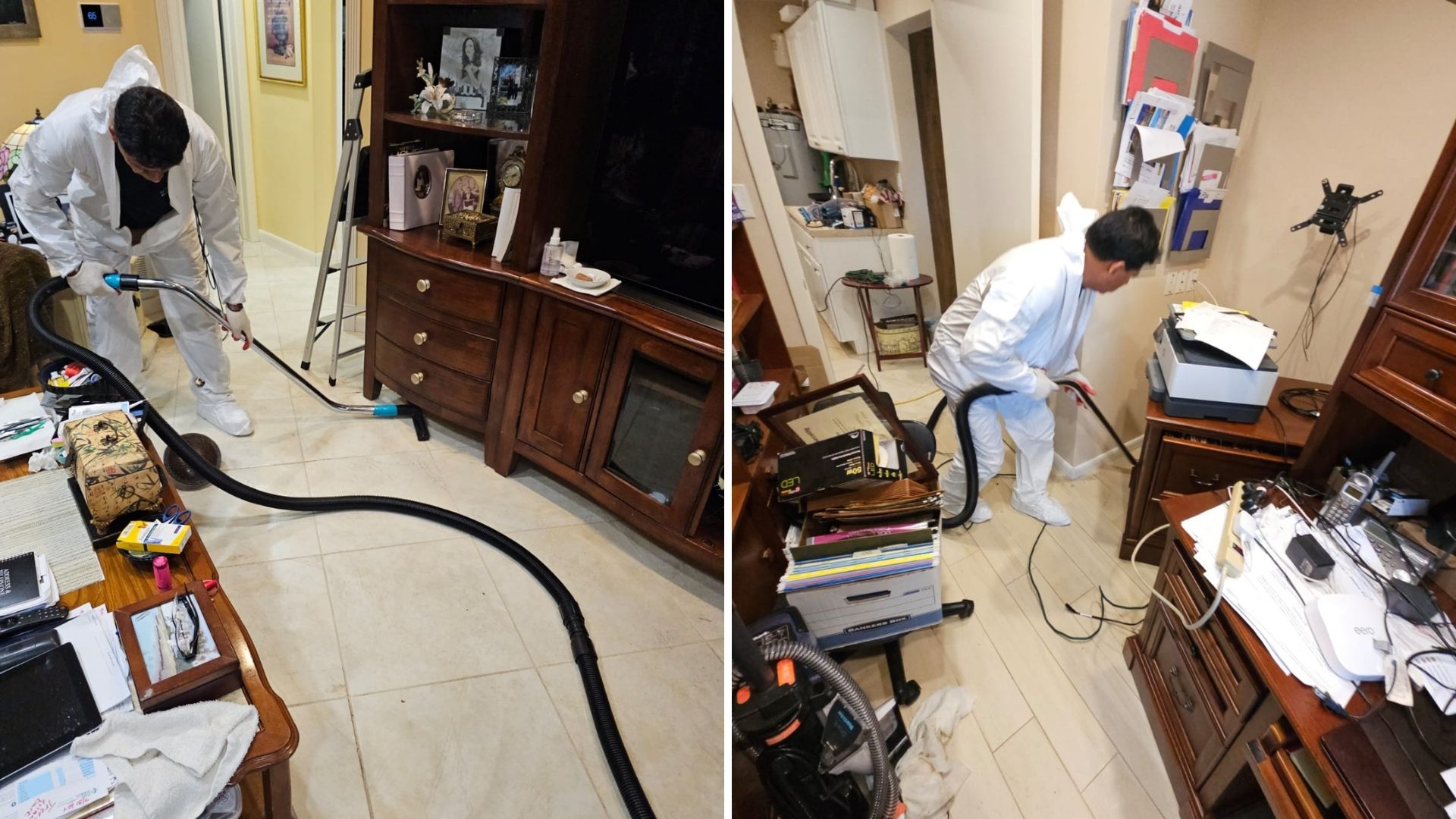
- Small puddles or light moisture: A wet/dry vacuum works well on hard floors, tiles, and low-pile carpet. It is easy to use and also removes shallow water quickly.
- Large amounts of water: A submersible pump is the fastest way to remove water. These pumps can move dozens of gallons per minute. So this is the best water extraction equipment for basement flooding or large rooms where water has pooled.

Don’t try to use household mops for large amounts of water. It is too slow and can cause water to spread.
3. Dry Your Home Completely
Even after you remove standing water, your home can still be wet. Moisture can stay in walls, floors, insulation, and furniture. If not dried quickly, mold can start growing in just 24 to 48 hours.
Below are given to dry your home faster:
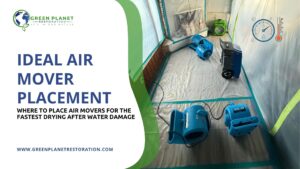
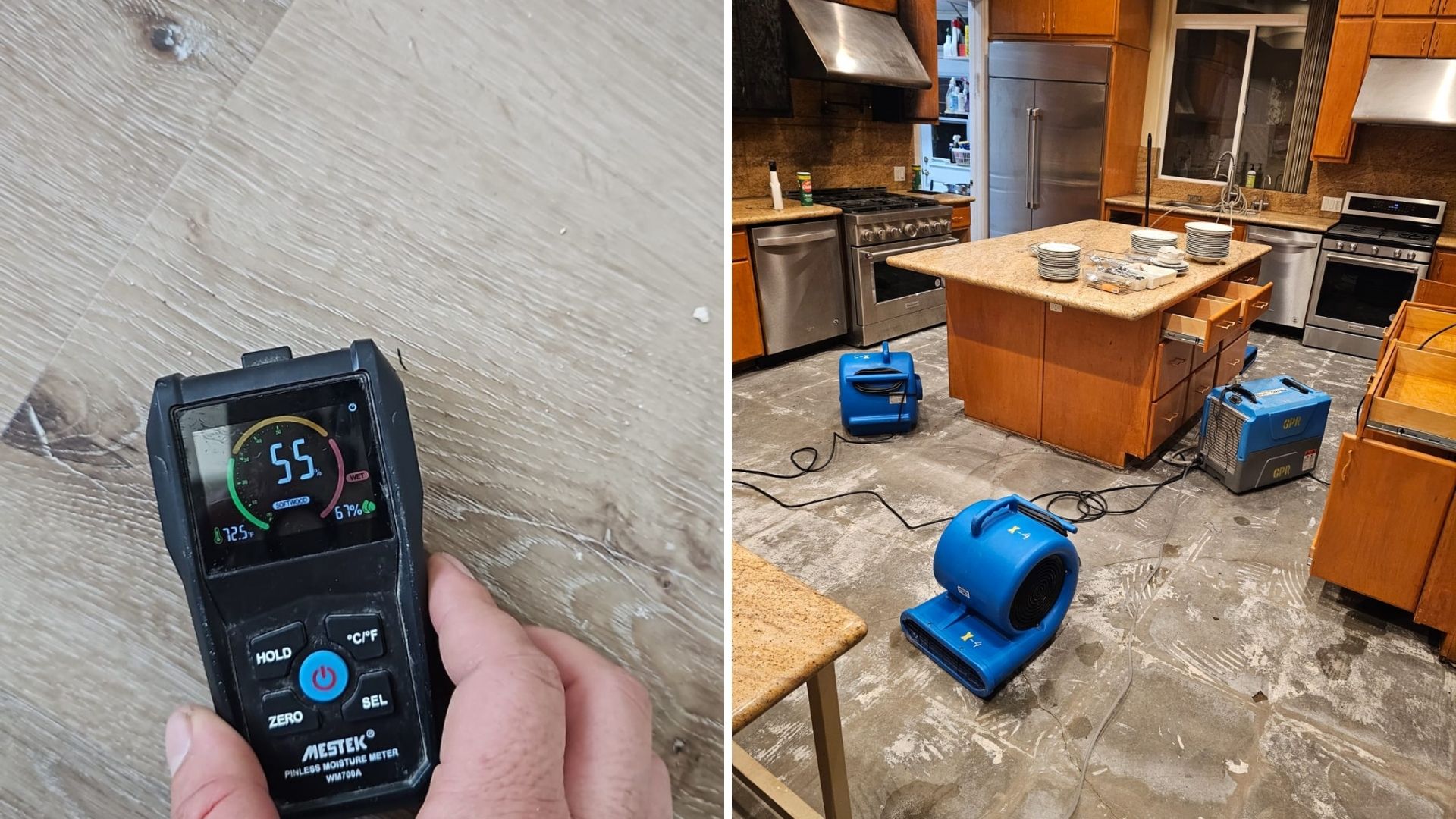
- Fans or air movers: High-speed fans move air around walls, floors, and furniture to help water evaporate.
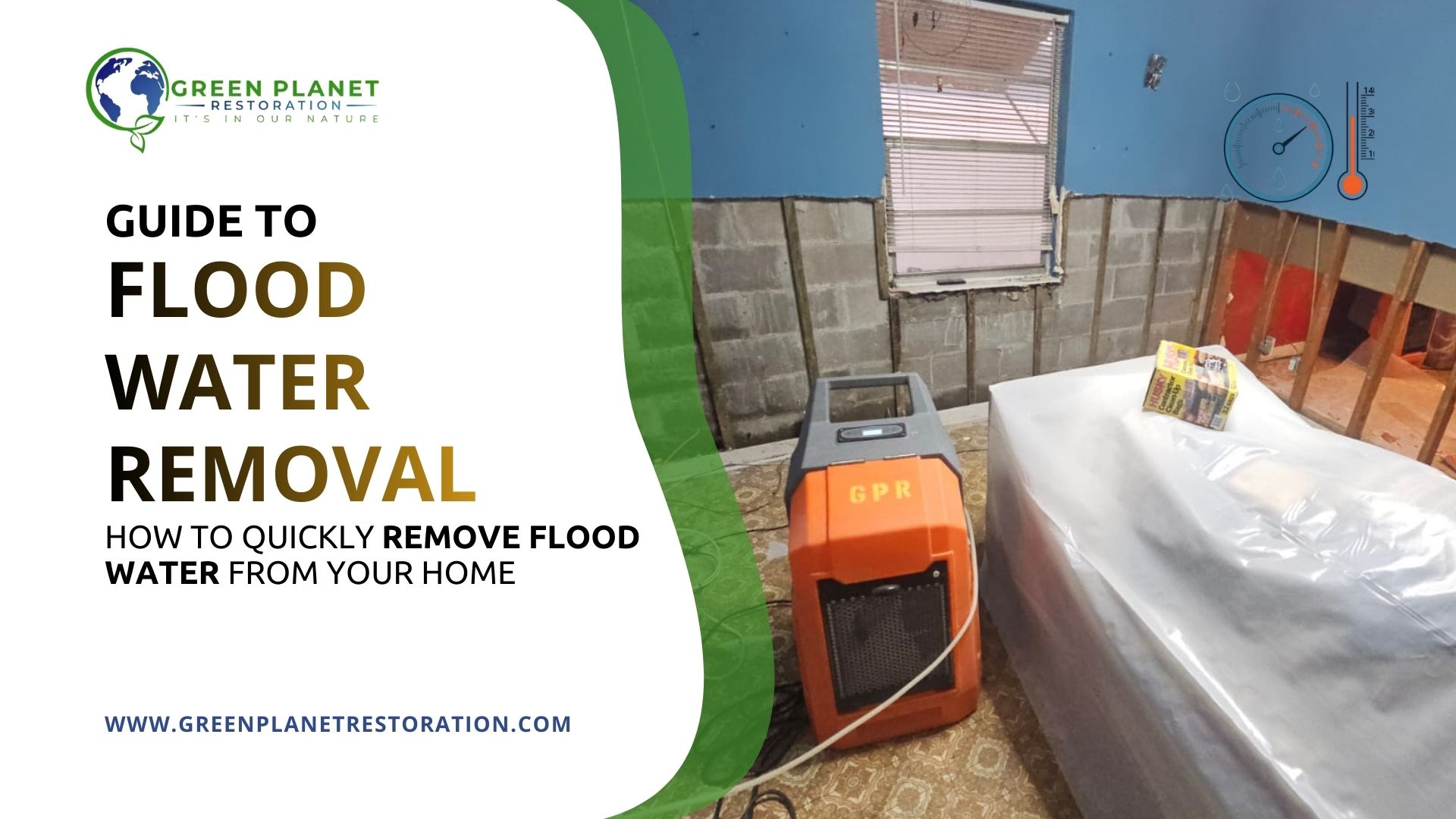
- Dehumidifiers: These pull moisture out of the air and lower humidity.
- Air conditioning: Running your AC helps reduce humidity and increases airflow, which speeds up drying.
Start drying as soon as the visible water is gone. The faster you dry your home, the less chance of mold growth and further structural damage.
4. Remove and Sort Damaged Items
A flood cannot save everything in your home. Hence, you need to know what to keep and what to dispose of. Certain types of water damage can be repaired and dried, whereas others lead to replacements and reconstruction to avoid mold and additional damage.
- Disposable products: Wet carpets, padding, particleboard furniture, and most upholstered furniture cannot be salvaged and may easily become infested with mold in your house.
- Pieces that can be rescued: Solid wood furniture, some electronics, and the personal belongings can be packed out and stored, dried, and cleaned immediately.
Check your home room by room and divide the things you can save and those that are too broken. Drying up flood-damaged goods is not only a way of preserving your belongings but also a way of getting your home to dry quicker in a flood cleanup.
5. Clean and Disinfect Everything
Floodwater is not clean water. It mainly carries bacteria, chemicals, and dirt. Restoration companies resort to deep surface cleaning and disinfection.
- Hard surfaces: Scrub floors, walls, counters, and furniture with warm water, mild detergent, and disinfectant. You can use bleach, but never mix it with other cleaners.
- Clothes and fabrics: Wash clothing, bedding, curtains, and rugs in hot water with strong detergent.
- Safety gear: Wear gloves, a mask, and eye protection when cleaning. Keep windows and doors open for fresh air.
Deep surface cleaning gets rid of germs and minimizes the risks to health in the long term.
When to Call Flood Water Removal Experts
In some cases, the flood damage is so much or complicated that you cannot do it yourself. This is why professional restoration services are a good idea. Green Planet Restoration has the tools and experience necessary to restore your home to normal in no time. We use the following:
- Powerful pumps that extract water quickly.
- Dehumidifiers and industrial fans to dry up the place completely.
- Humidity sensors to make sure that the walls, floors, and furniture are dry.
- Cleaning and disinfection of surfaces to prevent mold and bacteria.
Hiring flood water removal experts will save you time, minimize additional damage, and make certain that your home is safe and healthy to inhabit again.
Final Words
Flooding can feel stressful, but taking the right steps can make the process more manageable. For large floods or serious damage, contact Green Planet Restoration. Our team uses the right equipment and experience to restore your home safely, thoroughly, and quickly. With professional help, you can get back to normal faster and with less worry.