
What Ozone Is and How It Works
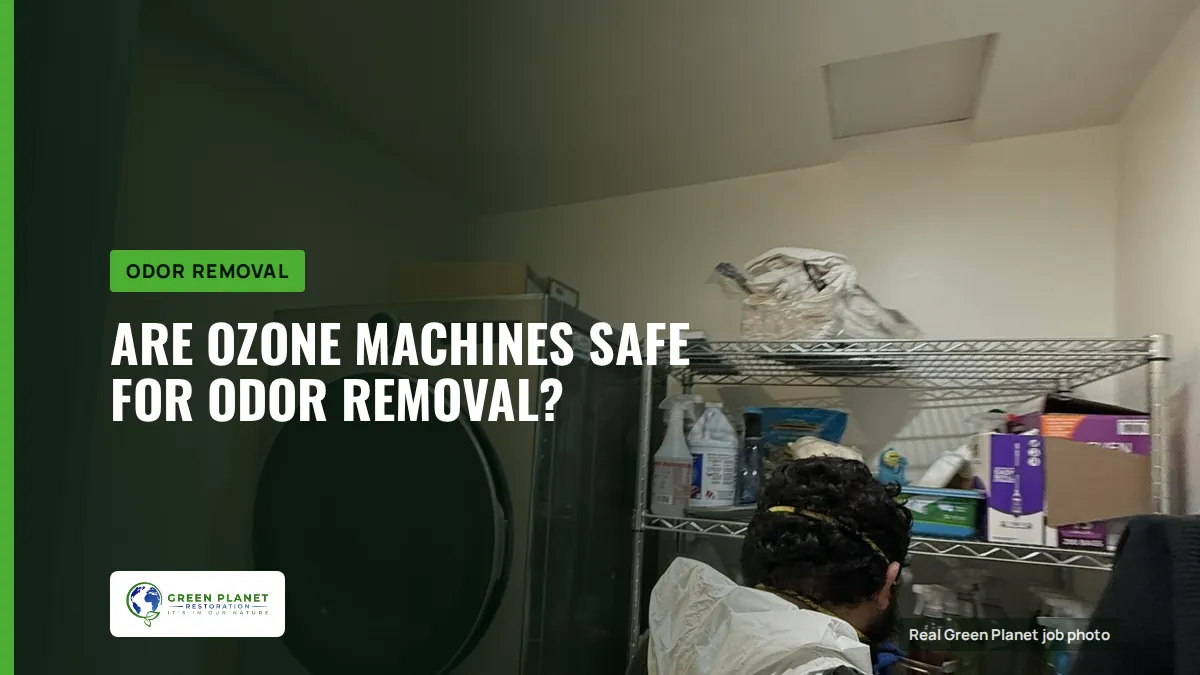
Ozone (O3) is a gas that is composed of three oxygen atoms. It is found naturally in the higher atmosphere, which shields against ultraviolet rays, and on the ground during lightning storms. Ozone is a strong oxidizing agent, and that is why it reacts with other substances to break them. Ozone generators are sometimes used to remove strong odors after fires, floods, or significant mold contamination. While ozone can neutralize odor-causing compounds, using it inside homes carries serious health and material risks. It is vital to understand how ozone works and when its use is appropriate. A generator produces ozone by exposing oxygen (O2) to either UV light or corona discharge. When emitted to a confined area, ozone reacts with compounds that cause odors, including:- Smoke particles
- Volatile organic compounds (VOCs)
- Bacteria and mold spores
Common Alternative Names for Ozone Machines for Odor Removal
- Ozone Generators
- Ozone Air Purifiers
- Industrial Ozone Systems
- Shock Treatment Generators
- Ozonators
- Activated Oxygen
- Energized Oxygen
- Super Oxygen
- “Pure Air” Generators
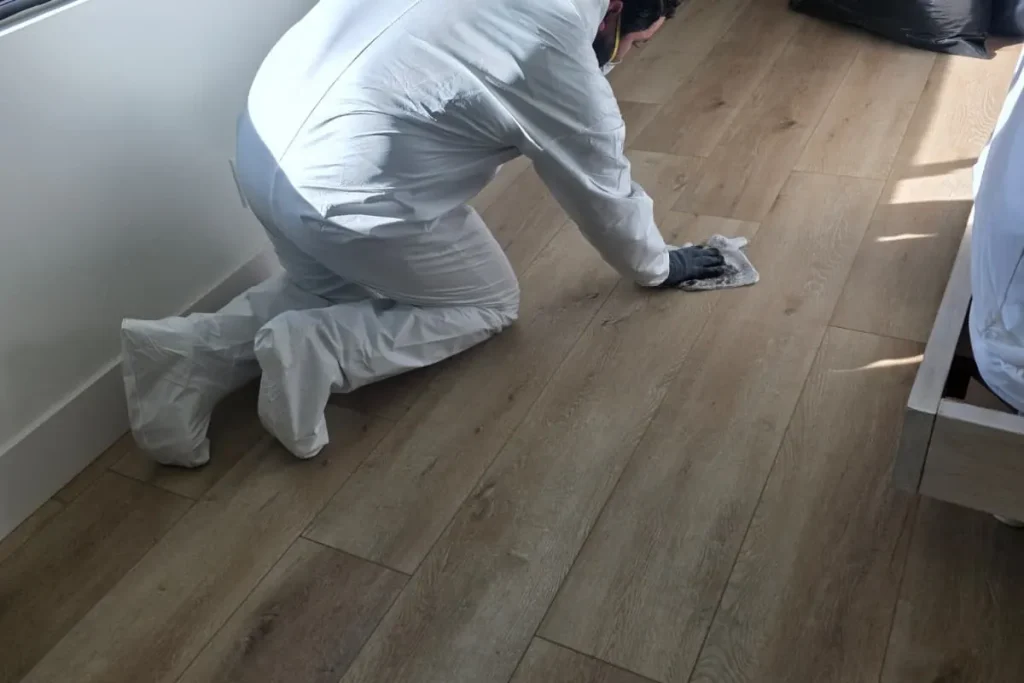
How Ozone Removes Odors
Ozone reacts with carbon-based odor molecules, including those from smoke, pet urine, mildew, and fire damage, altering their chemical structure. It reaches some of these porous materials:- Carpets and padding
- Drywall
- Upholstered furniture
- Subflooring and wall cavities
Health Risks of Ozone Exposure
Ozone is not safe for humans or pets in occupied spaces. The U.S. Environmental Protection Agency (EPA) states that ozone generators should not be used for routine indoor air cleaning. Exposure to high levels of ozone can cause:- Shortness of breath
- Chest pain and coughing
- Throat and eye irritation
- Reduced lung function
- Worsening of asthma or other respiratory conditions
When Ozone Machines Should Be Used
Ozone treatment is only to be considered in professional restoration cases, including:- Smoke and soot removal after a fire
- Severe mold contamination following water damage
- Sewage cleanup
- Unoccupied buildings that require deep odor removal
Safer Options for Common Odors
For various household odor problems, you can use safer methods, like:- HEPA air purifiers with activated carbon filters
- Enzyme-based cleaners for organic odors
- Charcoal or baking soda for passive absorption
- Proper ventilation and humidity management
- Source removal and professional deep cleaning
Potential Damage to Materials
Ozone not only reacts with odors, but also with most of the building materials. Misuse can:- Dry and crack rubber gaskets and seals
- Discolor fabrics and carpets
- Corrode electrical contacts
- Weakened wiring insulation
- Damage varnishes, finishes, and adhesives
Regulatory Guidance
The EPA does not approve ozone generators for routine indoor air cleaning. Health organizations and regulatory agencies caution against using these devices in occupied homes. It is not a substitute for proper remediation and should only be applied when necessary by trained professionals.Final Remarks
Ozone machines can neutralize stubborn odors by oxidizing the source, but they are not safe in homes with people or pets, and improper use can harm health and property. If ozone treatment is necessary, the entry should be restricted during treatment. The area should remain vacant for 4 to 6 hours, or up to 24 hours in larger spaces. Green Planet Restoration analyzes each odor issue to get the most effective and safe solution. We treat ozone when really required, and with the supervision of a professional. In case your home has some lingering odors due to fire damage, water damage, or mold, our team will inspect and give you a plan for a clean and odorless place. Contact us now for a free consultation.Property damage right now?
We find the damage, dry or clean the structure and repair it. On site in about 45 minutes, 24/7.

Written by the Green Planet Restoration team
Our articles are written and reviewed by the crews who handle water, fire and mold damage every day across Southern California, Seattle, Miami-Dade and Las Vegas. About us