When water damage occurs from a flood, a burst pipe, or a slow leak, it doesn’t remain confined to one place. Water can spread fast and soak into floors, walls, and hidden spaces. The longer water sits inside a structure, the more complicated and expensive the repairs usually become. Discover the key factors that affect structural drying time and the professional methods used to restore your home safely.
How Long Does Structural Drying Take?
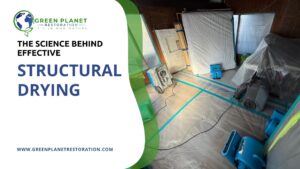
Structural drying isn’t the same for every property, though. Some spaces dry out in just a few days, while others need several weeks, depending on how far the water traveled and what materials were affected.
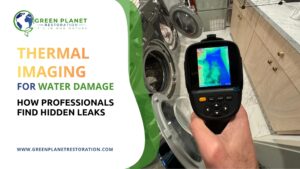
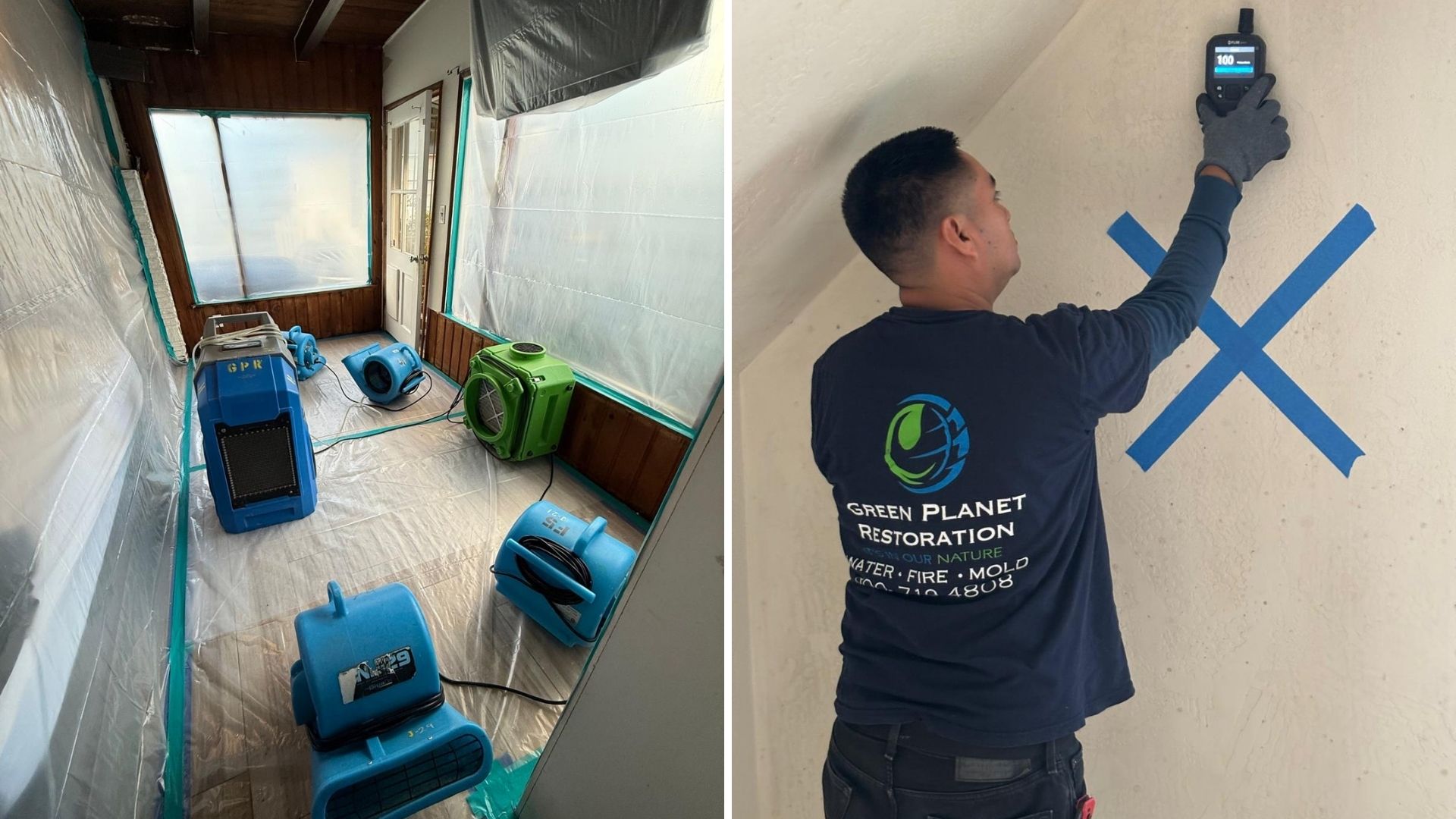
Because no two situations are exactly the same, estimating drying time isn’t an exact science. Two homes with the same amount of water can dry at very different speeds. Restoration companies in Los Angeles use moisture meters and thermal imaging to find hidden water and check progress each day. Initial estimates are helpful, but real timelines are based on what the readings show, not guesswork.
Factors Affecting Structural Drying Time
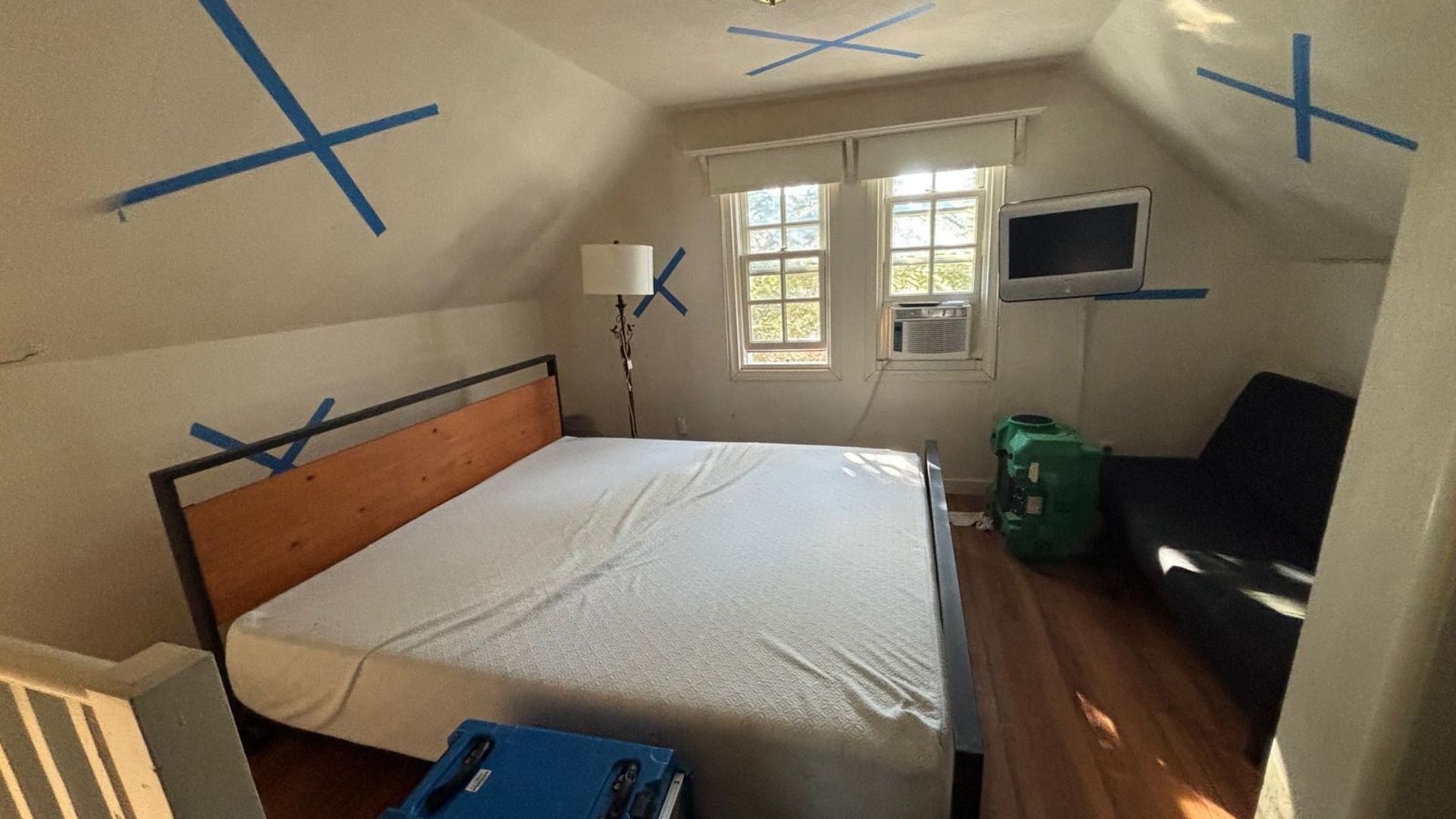
When it isn’t cleaned up quickly, the moisture can damage the structure, cause mold to grow, and create safety problems over time. In most cases, more water means more drying time, but it’s not that simple. That’s because several factors influence how quickly a structure can be dried safely and completely. Every drying job starts with a close look at the damage.
Here are some scenarios that determine the drying time of your building.
How deep the water soaked in
Surface water can dry fairly fast, but moisture trapped inside walls, under floors, or in insulation takes much longer to dry.
The Type of Materials Affected
Materials like hardwood, concrete, and insulation hold moisture longer, while drywall and carpet usually dry more quickly.
The source of the water
Clean water from a pipe leak is easier to deal with than floodwater or sewage, which needs extra safety measures.
Indoor conditions
Temperature, humidity, and airflow all play a big role in how fast drying can happen.
Read more: How LGR Dehumidifiers Prevent Secondary Damage
How Green Planet Restoration Crew Approaches Structural Drying
It is not a case of opening the windows and placing a few fans to dry out a water-damaged building. Humidity behind the wall or under the floors will not subside automatically. That is why the special tools and methods are applied by water damage restoration team at Green Planet Restoration.
Pressure Drying Systems
This method is used to remove moisture from enclosed spaces like wall cavities, ceilings, and insulated floors. Depending on the situation, professionals use one of two approaches.
1. Positive Pressure Drying
Positive pressure drying forces warm, dry air into wall or floor cavities. When the air passes through wet materials, it causes the moisture to be expelled into the open space for removal.
The technique is fast and is of regular use in empty or well-ventilated buildings that are properly air-filtered. It is capable of awakening dust and mold spores within walls. Due to that fact, it is not commonly used in inhabited homes unless there is no alternative.
2. Negative Pressure Drying
Negative pressure drying works the opposite way. Instead of pushing air in, it pulls moist air out of walls and floors using controlled suction.
While this method may take a bit longer, it’s much safer for indoor environments. Contaminants are captured inside the equipment and filtered out, rather than being released into living areas. For insulation and deep structural drying, this is the preferred method.
Dehumidifiers Stop Moisture from Returning
Another method that stands at the core of structural drying is the use of dehumidifiers. Indoor humidity is equally important when moisture is extracted from walls and floors. Dehumidifiers remove the unnecessary moisture in the air, and this prevents condensation and secondary damage.
1. Refrigerant Dehumidifiers
Refrigerant dehumidifiers pull in moist air, cool it, and remove the moisture as water. That water is drained out, and the dry air is sent back into the room. They work best in a warm environment and use less energy. In cooler areas they may slow down and need extra heat to work properly.
2. Desiccant Dehumidifiers
Desiccant dehumidifiers absorb moisture by passing air through absorptive substances. This is why they are a good option in colder areas where refrigerant units are not effective. They are more energy-consuming and dry regions more quickly. But these are applied to bigger or more challenging drying tasks.
The Role of Airflow and Ventilation
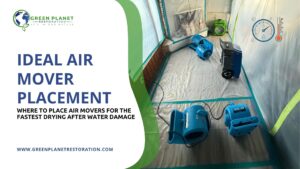
One cannot negate the effectiveness of a good air flow in structural drying. Good airflow helps moisture evaporate more efficiently. This method involves placing air movers, strategically making use of existing HVAC systems, or opening windows when the weather permits. Unless it is dehumidified, moisture may be stagnant on surfaces when the air flow ceases.
Continuous airflow with selective humidity loss produces the most perfect drying effects. Green Planet Restoration crew will guide you on how to implement effective air flow management during the drying process – whether that means keeping windows closed to aid dehumidifiers or simply being patient as the equipment does its work behind closed doors.
The Bottom Line on Drying Timelines
So how effective is structural drying with these methods? Structural drying timelines can vary quite a bit. Small water damage issues can often be fixed in a few days. More serious damage, such as flood water damage, especially when insulation or framing is involved, can take several weeks to fully dry. Acting fast and using the right drying methods from the start stops bigger problems later.
Green Planet Restoration uses professional tools and experience to dry structures properly and safely. When you face water damage in your home or your business, contact our team any time. We are available 24/7 to offer quality structural drying and moisture control.
________________
Related Posts
The Water Damage Restoration Process: A Step-by-Step Guide
How LGR Dehumidifiers Prevent Secondary Damage
Complete Guide to Crawl Space Maintenance and Cleanup
How HEPA Air Scrubbers Capture Mold Spores in Water-Damaged Properties
Maintaining Good Indoor Air Quality After a Fire Incident
What Does Certified Mold Testing Do?
What Are the Signs of Mold Growth in Your Home?