
 AI job photo
Active leaks in rain
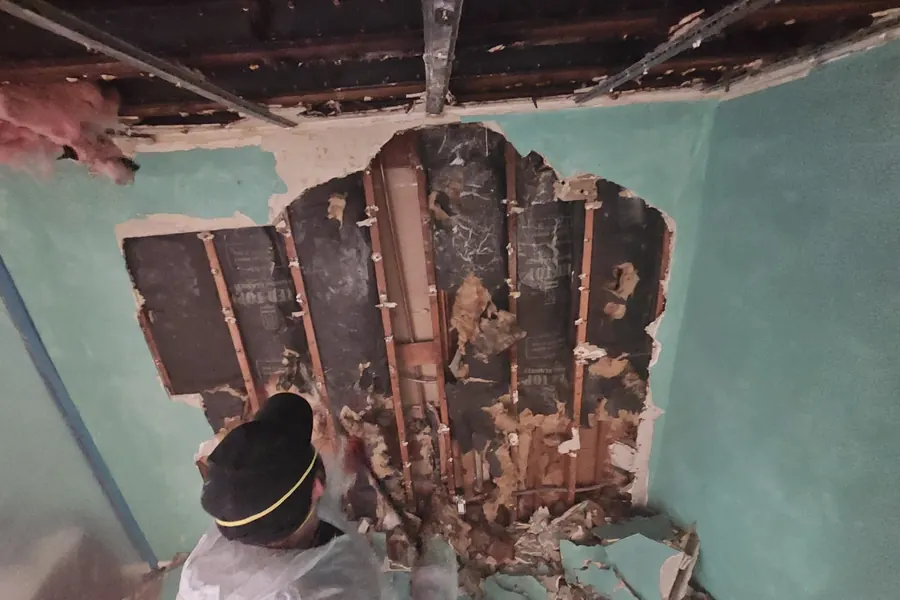
Water dripping through ceilings or light fixtures during a storm.
Fast, reliable roof protection
Even a small opening in the roof lets water into ceilings, insulation and walls. Our roofers install heavy-duty tarps anchored and sealed to hold through the next storm, then check the attic for water that already got in.
Local crews across Southern California, Florida, Washington and Nevada
Protect your home fast
Storms, fallen limbs and sudden roof failures leave openings that let rain straight into the house. Water spreads through insulation and drywall long before you see a stain.
Our roofing crew arrives with tarps, anchors and fastening tools, clears unsafe debris, installs a temporary cover and seals it so wind cannot lift it. Then we check inside for moisture and plan the permanent repair.
Mention previous leaks or weak spots on the roof so the crew can plan harness points before tarping.
Tell us what happened. We'll take it from here.
Leaking right now? Call (800) 719-4808 for the fastest dispatch.
Your information is secure and never shared.
Problems that need fast tarping
Catching these early prevents expensive repairs and protects the structure.
AI job photoWater dripping through ceilings or light fixtures during a storm.
 AI job photo
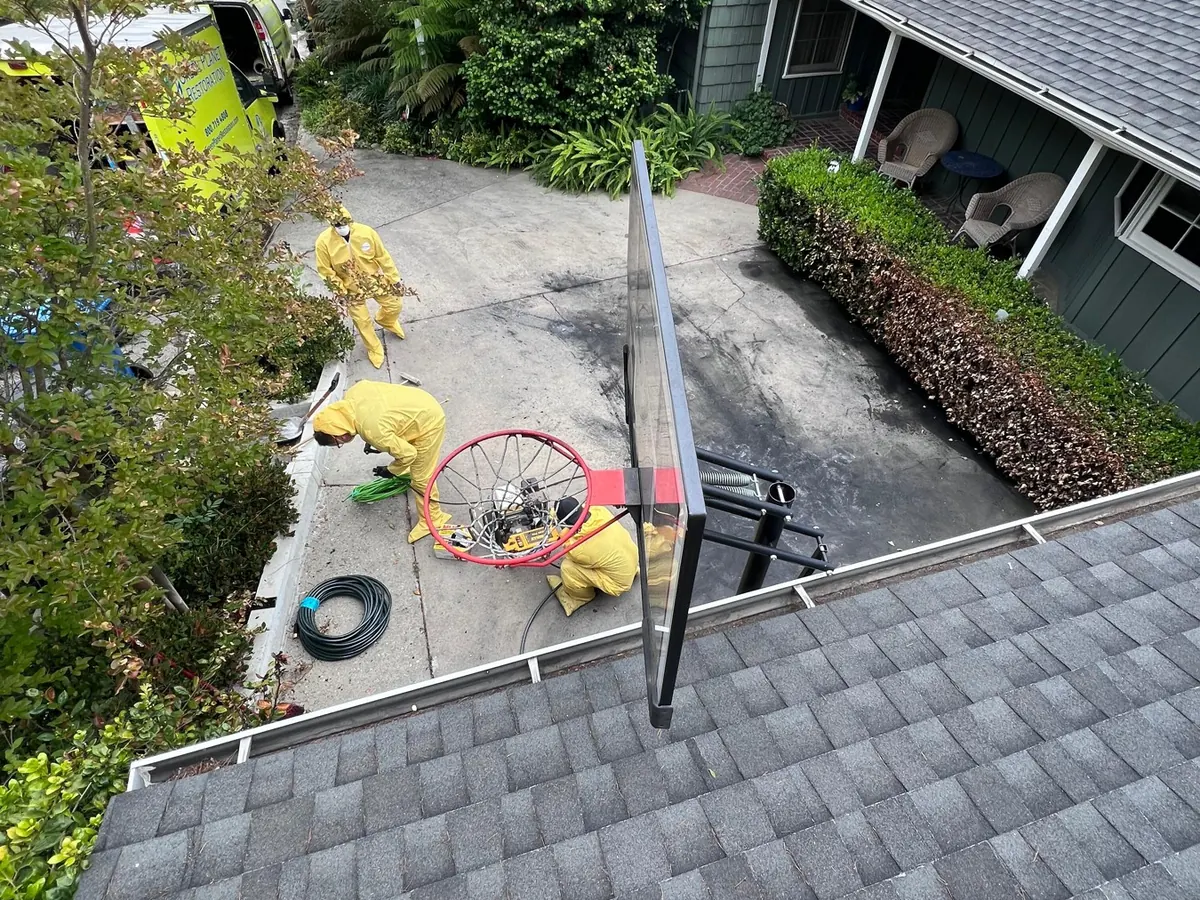
High winds strip shingles and expose the underlayment.
 AI job photo
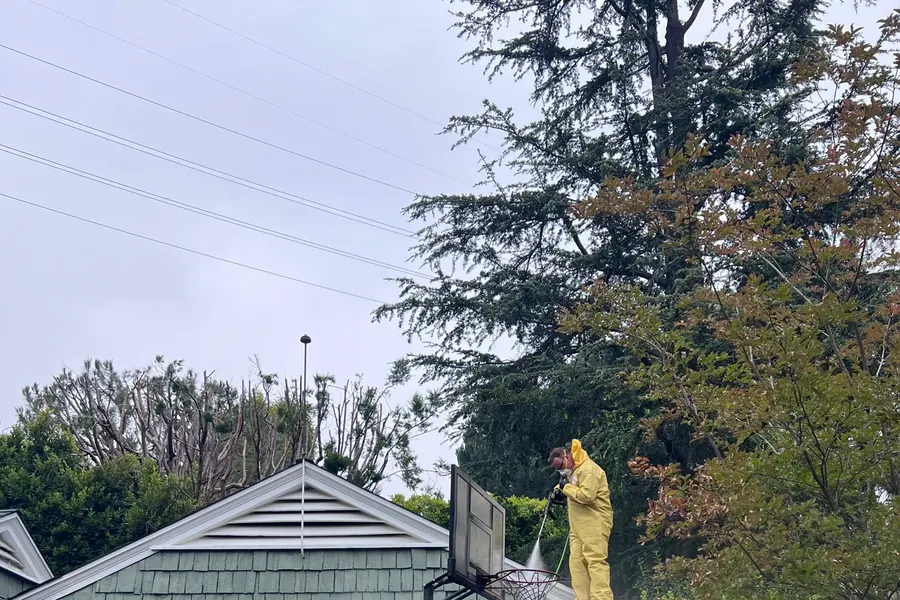
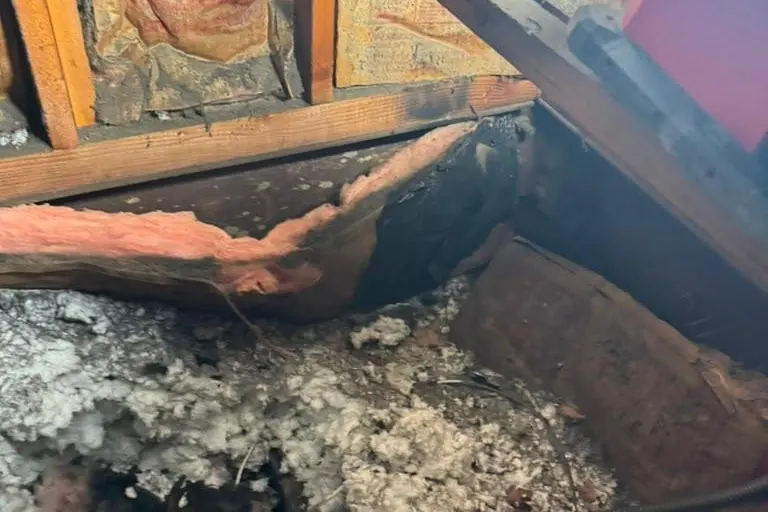
Tree limbs or debris that have punched a hole in the roof deck.
 AI job photo
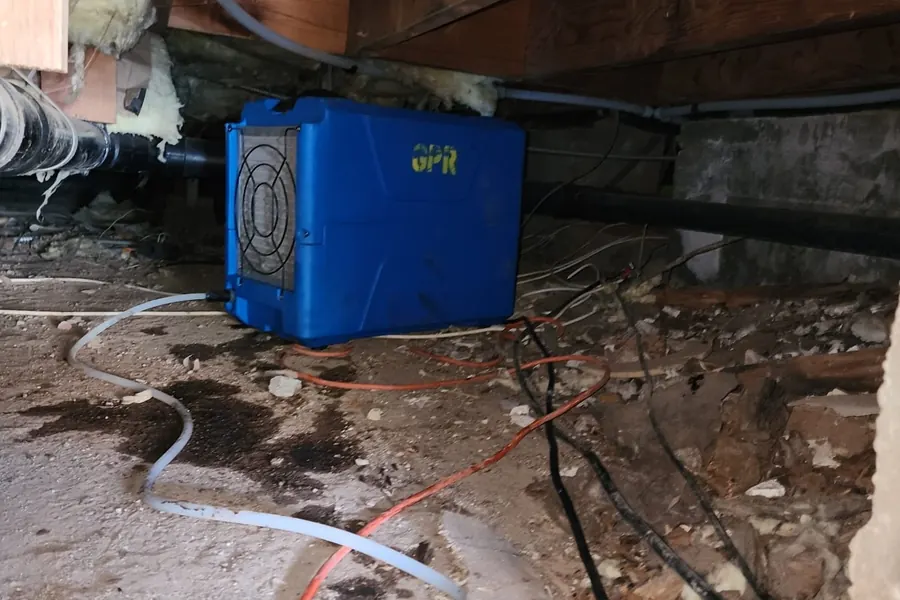
Weakened areas or exposed materials that the next wind could tear open.
Our roof tarping process
A tarp that blows off in the next storm does more harm than good. Every step is about keeping it on.
We locate openings, leaks and structural risks on the roof.
Branches, broken shingles and unsafe material are cleared.
Heavy-duty tarps secured with anchors and battens.
Edges are sealed so water cannot run underneath.
We check the attic and rooms below for water.
We recommend the long-term roof restoration.
Equipment we use
The right materials are the difference between a tarp that lasts until the repair and one that ends up in the yard.
 AI job photo
Weather-resistant tarps sized to cover the damage with overlap on every side.
Water-resistant anchors and battens fastened with industrial tools, plus blow-off resistant securing systems.
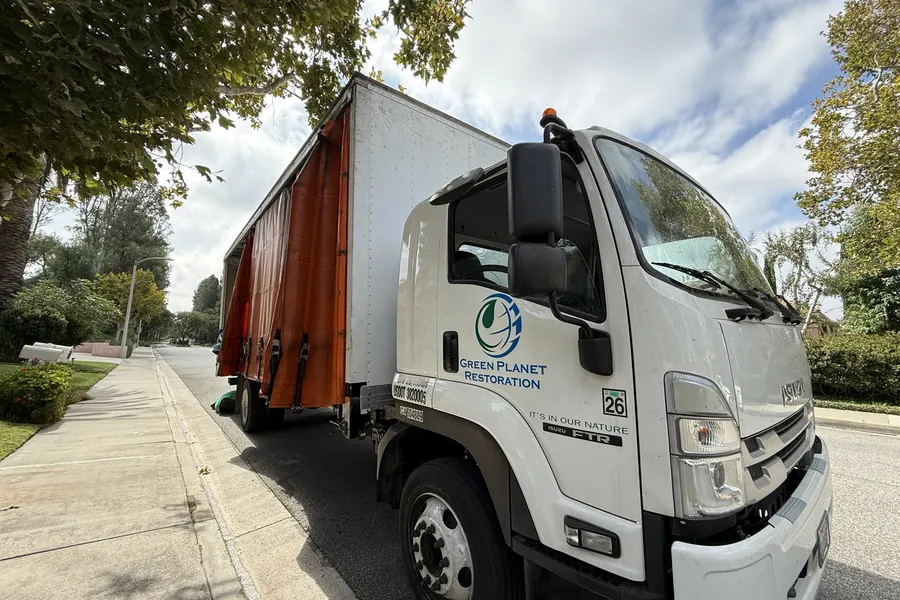
Extension ladders and roof-safe harnesses so the crew works safely on damaged roofs.
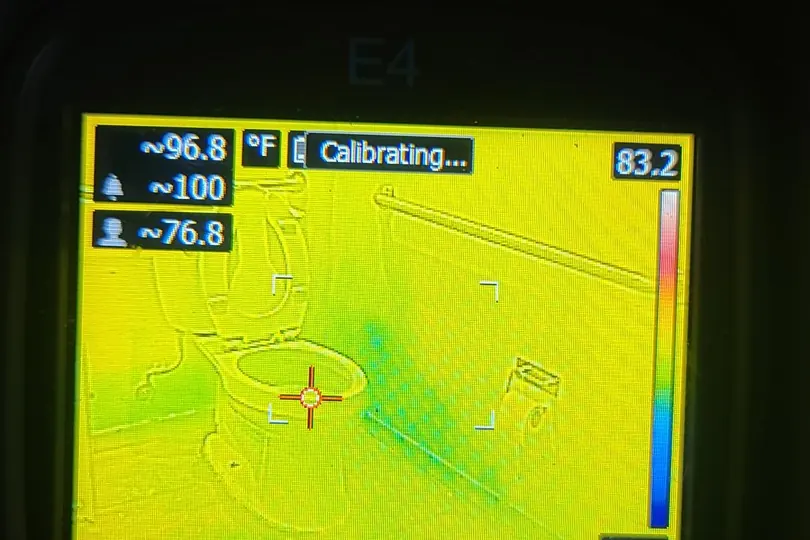
To find leaks and hidden moisture in the attic and ceilings below.
Temporary cover & leak control
Installation is half the job. The other half is making sure nothing is still getting wet underneath.
 AI job photo
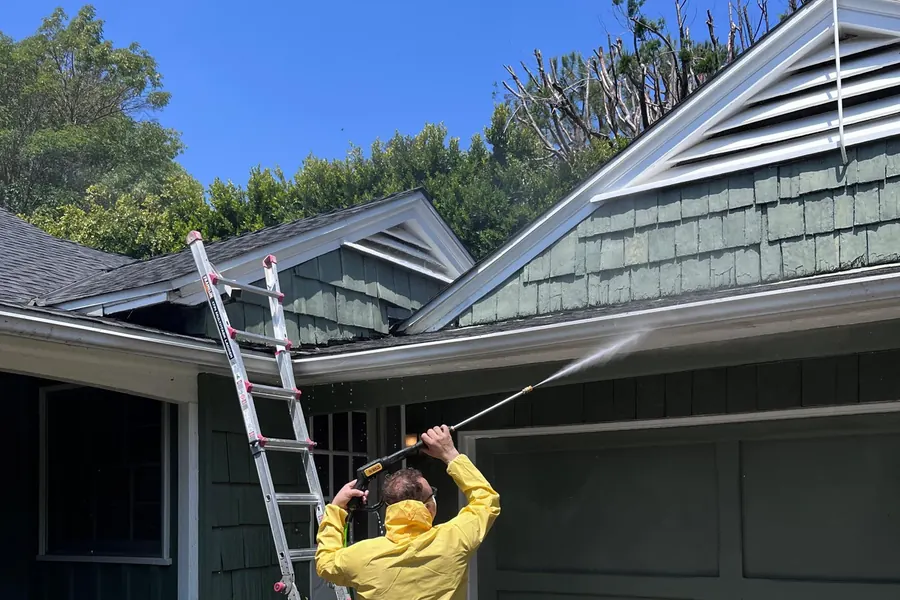
Secure, reinforced tarp placement with targeted sealing around entry points.
 AI job photo
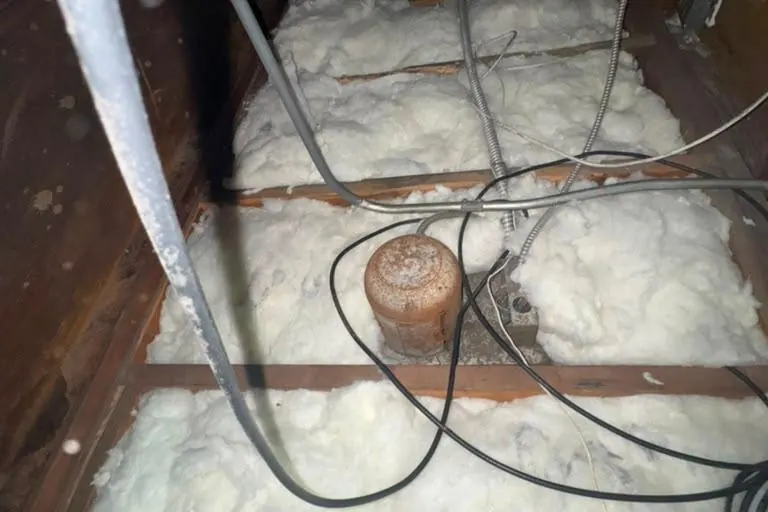
Attic drywall and insulation checked for dampness.
 AI job photo
We watch for additional leaks during the next rain and adjust as needed.
Preventing future roof leaks
Once the emergency is over, we help strengthen the roof against the next storm.
 Featured video
A short look at the Green Planet Restoration team, the equipment we bring to a job and how we treat the homes we work in.
Now showing: Full-Service Property Damage Experts | 24/7 Emergency Response
Case studies
Real jobs, start to finish: what we found, what we did and how it turned out.
 AI job photo
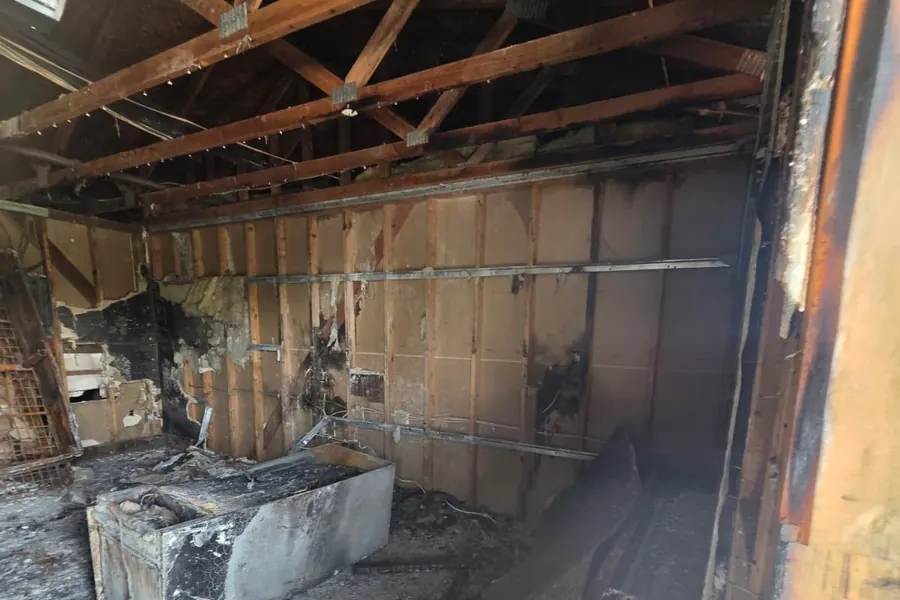
Sample scenario · Southern California
The fire burned through part of the roof deck. The crew tarped the section, anchored it to solid framing and checked it after the next wind.
 AI job photo
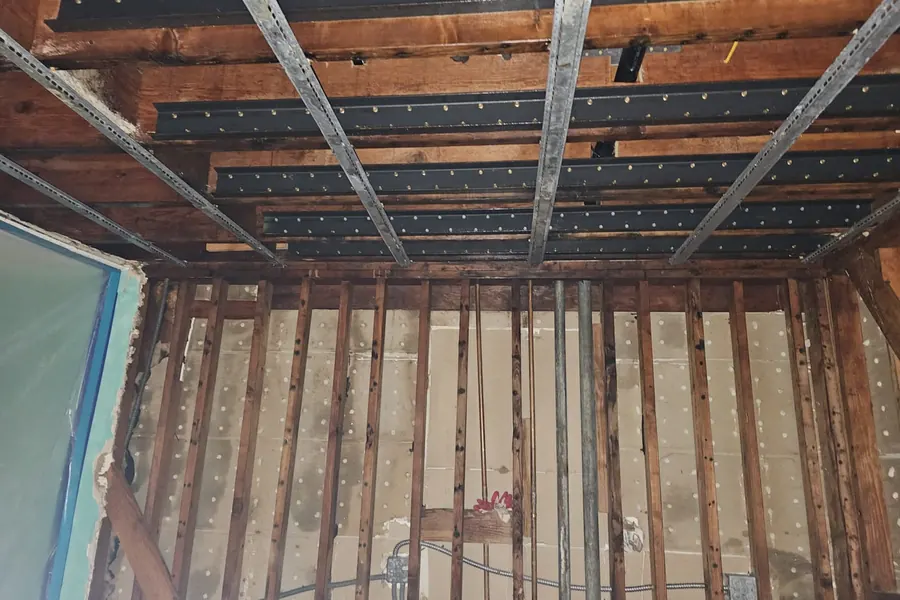
Sample scenario · Greater Seattle
Rain found a failed flashing around a vent. We tarped the slope that night and dried the ceiling below.
 AI job photo
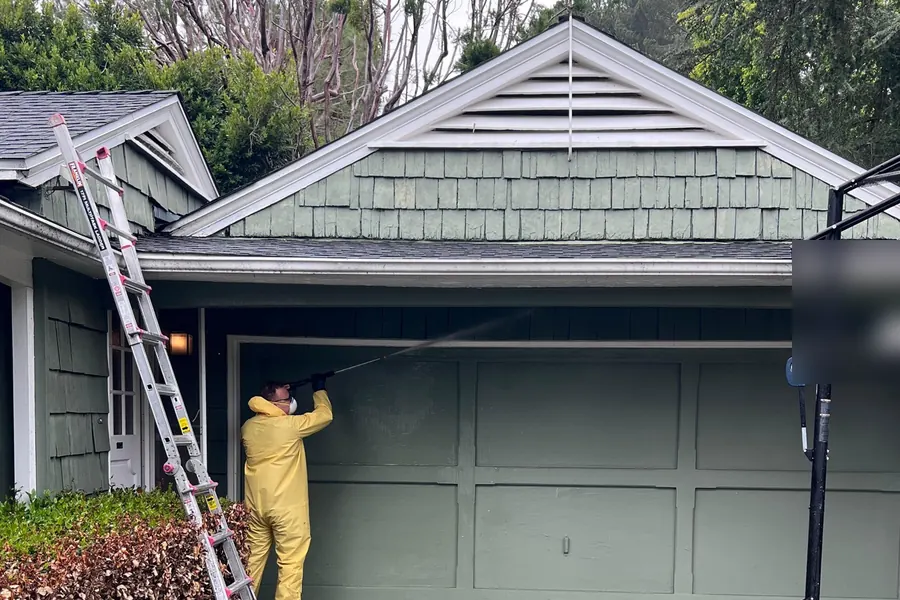
Sample scenario · South Florida
Winds peeled shingles off the ridge. We covered both slopes and taped the ridge so the roofer could quote the repair dry.
Frequently asked questions
We run 24/7 and typically arrive within 45 minutes. Tarping is usually finished in the same visit, weather and safety permitting.
A properly anchored, sealed tarp is meant to protect the home until permanent repairs are made. We check it during the next rainfall and adjust if needed.
Most policies expect you to prevent further damage after a covered loss, and tarping usually falls under that. We document the damage before and after for your adjuster.
Often, yes. If conditions are too dangerous to work on the roof, we control water inside first and tarp as soon as it is safe.
Yes. We check the attic, insulation and ceilings below with moisture meters and thermal cameras.
Yes. We plan and handle the permanent repair, from shingle replacement to reinforcing edges and flashing.
Roofers on call 24/7.
Where we work
Local crews in four states, each with its own team, trucks and direct line. Pick your region to find the closest branch.
See all locations or call (800) 719-4808, 24/7
Mold and structural damage can start within 24 to 48 hours of water exposure. Get a free estimate and immediate dispatch.